 ultimate-guide
Early Bed Bug Detection in Rentals: A Complete Guide
Table of Contents
- Why Early Bed Bug Detection Matters in Rental Properties
- Identifying Signs of Bed Bug Infestation
- Best Bed Bug Monitors for Apartments
- Landlord Responsibilities for Bed Bugs
- Bed Bug Prevention for Short-Term Rentals
- Early Intervention: Treatment and Remediation
- Financial Impact of Delayed Detection
- Frequently Asked Questions
Last Updated: September 30, 2026
Why Early Bed Bug Detection Matters in Rental Properties
Early bed bug detection in rental properties is the difference between a manageable situation and a costly nightmare. When landlords and property managers catch infestations in their first weeks, treatment costs drop dramatically, tenant satisfaction stays intact, and the property's reputation avoids serious damage. The longer an infestation goes undetected, the more it spreads, across units, into furniture, and into the minds of guests or residents who discover the problem themselves.
Tenants often hide bed bug problems because they fear blame or eviction. By the time a landlord learns about an infestation, it has usually progressed far beyond the initial entry point. This delay transforms a localized problem into a property-wide crisis. Early detection systems, whether professional monitors or regular inspections, catch the issue before it becomes entrenched, saving thousands in remediation costs and protecting your rental income.
Short-term rental operators face even higher stakes. A single negative review mentioning bed bugs can tank occupancy rates for months. Hotels and Airbnb hosts know this reality intimately. The cost of professional early detection is negligible compared to the revenue lost when guests discover bed bugs mid-stay and leave bad reviews.

Identifying Signs of Bed Bug Infestation
Visual indicators and physical evidence
Bed bugs leave unmistakable evidence if you know where to look. The most reliable sign is fecal spots, small, dark brown or black marks on mattress seams, baseboards, and furniture joints. These spots are essentially digested blood and appear as clusters or trails. Exoskeletons (shed skins) accumulate in the same areas, appearing as translucent, tan-colored shells about the size of an apple seed.
Live bed bugs themselves are visible to the naked eye, though they hide during the day. Adult bugs are flat, reddish-brown, and roughly the size of an apple seed. Nymphs (juveniles) are smaller and lighter in color. Finding even one live bug during an inspection is a critical signal that an infestation is active and spreading.
Bites on residents are often the first symptom people notice. Bed bug bites appear as small, itchy red welts, typically in clusters or lines on exposed skin, arms, legs, neck, and face. However, not everyone reacts to bites visibly, and some people don't itch at all. Relying solely on bite evidence is dangerous because it delays detection. Physical inspection for fecal spots and exoskeletons is far more reliable.
Where to look during inspection
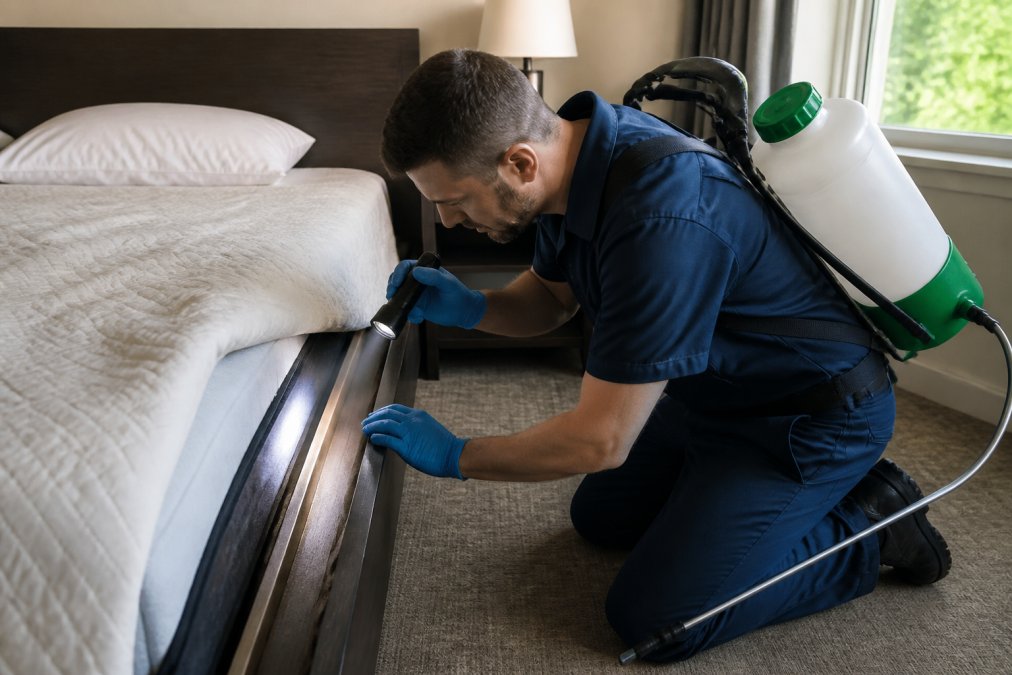
Bed bugs congregate in specific areas based on their need for proximity to hosts and secure hiding spots. Start with the mattress. Examine every seam, zipper, and corner. Pull back the mattress and check the box spring thoroughly, bed bugs favor the underside where fabric meets wood. Check the bed frame itself, especially joints and crevices.
Move to baseboards next. Run your fingers along the base of walls, paying special attention to corners and areas behind furniture. Bed bugs exploit gaps between baseboards and walls. Inspect furniture near sleeping areas: nightstands, dressers, headboards, and upholstered chairs. Check behind picture frames, electrical outlets, and smoke detectors, bed bugs climb walls to access these vantage points.
In short-term rentals, inspect high-turnover areas between guests: headboards, mattress seams, and furniture seams. Check under cushions on sofas. Examine coat closets and luggage storage areas where guests place their belongings. Don't forget the bathroom, bed bugs sometimes hide in towel racks and behind mirrors.
Best Bed Bug Monitors for Apartments
How monitoring devices work
Bed bug monitors are passive traps that detect the presence of bugs without chemicals or active treatment. Most monitors use interceptor cups, small plastic devices placed under bed legs and furniture feet. As bed bugs crawl up the leg to reach sleeping hosts, they fall into the cup and cannot escape. The smooth plastic interior prevents them from climbing out.
Some monitors use adhesive surfaces that trap bed bugs on contact. Others combine interceptor design with pheromone lures that attract bugs into the trap. The principle remains the same: create a barrier between the bug and its host, and capture evidence of infestation.
Monitors work best when placed strategically. Position them under all four legs of the bed, under sofa legs, and along baseboards in high-risk areas. Check monitors weekly for activity. Even a single bug trapped in a monitor is evidence that early bed bug detection protocols are working, you've caught the problem before it explodes.
DIY versus professional monitoring comparison
| Monitoring Approach | Setup Cost | Time Required | Detection Accuracy | Frequency |
|---|---|---|---|---|
| DIY interceptor cups | Low | 15 minutes | Moderate (depends on placement) | Weekly checks |
| Professional monitors with inspection | Higher | Professional handles | High (trained eye) | Bi-weekly or monthly |
| Pheromone-based traps | Moderate | 20 minutes | Moderate-high | Weekly checks |
| Professional canine inspection | Highest | One-time service | Very high (90%+) | As needed |
DIY monitoring with interceptor cups is affordable and suitable for landlords managing single units or small buildings. The downside: you must remember to check them weekly, and you might miss early signs that a trained eye would catch. Many landlords forget to inspect their monitors or misinterpret what they find.
Professional monitoring involves scheduled inspections by trained technicians who know exactly what to look for. They identify fecal spots, exoskeletons, and live bugs that DIY monitors might miss. For short-term rental operators managing multiple properties or high-turnover units, professional monitoring between guests is worth the investment. The cost of one missed infestation far exceeds the cost of monthly professional inspections.
Canine bed bug detection offers the highest accuracy. Trained dogs can identify bed bugs with 90% accuracy or higher, even in early infestations when visual evidence is minimal. This approach is most practical for large apartment complexes or hotels where the investment justifies the expense.
Landlord Responsibilities for Bed Bugs
Legal obligations under residential tenancy law
In Canada, landlords have a legal duty to maintain rental properties in a habitable condition. This includes controlling pest infestations. Residential tenancy legislation varies by province, but the principle is consistent: landlords must provide accommodation free from pests that pose health or safety risks. Bed bugs fall squarely into this category.
Tenants have the right to "quiet enjoyment" of their rental unit, a legal concept that includes freedom from pest infestations.
Cost responsibility and tenant communication
The law is clear: landlords bear the cost of pest control treatment. However, the financial impact on tenants matters. If a tenant must temporarily vacate during treatment, some jurisdictions require landlords to cover accommodation costs or provide compensation. Clear communication about treatment timelines and temporary relocation (if needed) prevents legal disputes.
Bed Bug Prevention for Short-Term Rentals
Quick detection protocols between guests
Short-term rental operators must implement rapid turnaround inspections between guests. This means checking for bed bugs within hours of guest checkout, not days later. Assign trained staff to inspect every mattress seam, headboard, and upholstered furniture. Use a flashlight and magnifying glass to spot fecal spots and exoskeletons.
Protecting reputation and guest satisfaction
One negative review mentioning bed bugs can reduce bookings by 30-50% for months. Guests share their experiences widely, and bed bug complaints carry disproportionate weight in online reviews. Prevention is infinitely cheaper than reputation repair.
Early Intervention: Treatment and Remediation
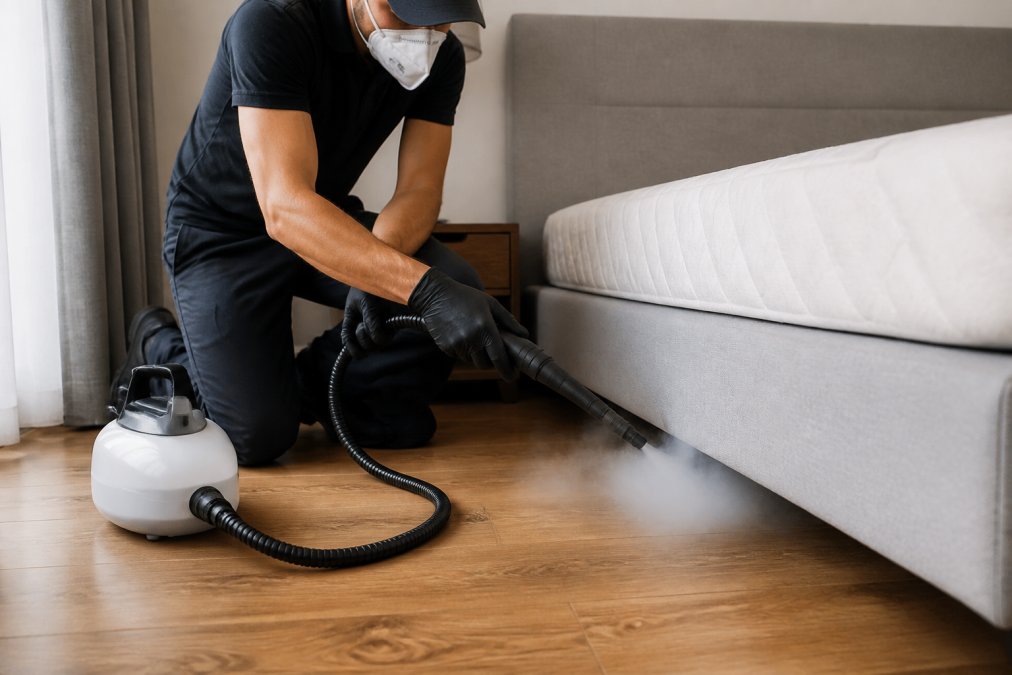
Professional extermination is the gold standard for early bed bug detection outcomes. When an infestation is caught early, before it spreads to multiple units or pieces of furniture, professional treatment typically requires one to three applications over two to three weeks.
Evaluating treatment effectiveness
After treatment, continue monitoring for at least four weeks. Use interceptor cups under furniture and check them weekly. If you catch no bed bugs during this period, the treatment likely succeeded. However, some infestations require follow-up treatments if eggs were not fully eliminated on the first application.
Financial Impact of Delayed Detection
The financial consequences of delayed bed bug detection are staggering. A single unit with a minor infestation caught early might cost $500-$1,500 to treat professionally. The same infestation, left undetected for three months, spreads to adjacent units and furniture. Suddenly you're treating four units, replacing mattresses and furniture, and managing tenant complaints. The cost balloons to $5,000-$15,000 or more.
Frequently Asked Questions
Are landlords in BC responsible for treating bed bugs?
Yes. Under the Residential Tenancy Act, landlords must maintain rental units in habitable condition, which includes addressing pest infestations. Landlords are responsible for arranging and paying for professional bed bug treatment. Tenants must cooperate by allowing access for inspection and treatment, but cannot be charged for the extermination service itself. Early detection helps landlords fulfill this obligation quickly and prevents spread to other units.
How do bed bug monitors work in apartments?
Bed bug monitors use passive detection methods to trap insects as they move across floors or furniture. Most contain interceptor cups or adhesive surfaces that capture bugs without pesticides. Some monitors include pheromone lures to attract bed bugs. Monitors work best when placed under bed legs, near baseboards, and in furniture crevices. Professional monitoring services combine devices with regular inspections to catch infestations before they spread, while DIY monitors require consistent placement and frequent checking.
What are the early signs of bed bugs in a rental unit?
Early indicators include small reddish-brown insects on mattresses or furniture, fecal spots (dark specks) on sheets and baseboards, and exoskeletons left behind after molting. Tenants often report itchy bites in clusters on skin. Early detection depends on thorough inspection of seams, folds, and furniture disassembly. Cluster detection, finding bugs in one concentrated area, suggests early infestation. Acting on these signs within days prevents exponential population growth and limits remediation costs.
How quickly can professional bed bug treatment be completed?
Professional extermination timelines vary based on infestation severity and unit size. Initial treatment typically occurs within 24-48 hours of inspection, with follow-up visits scheduled 10-14 days later. Short-term rental operators can often arrange expedited service to minimize booking losses. Treatment effectiveness depends on thorough pesticide application to all affected areas and tenant cooperation with preparation (furniture disassembly, vacating during treatment). Early detection reduces treatment duration because infestations caught before spreading require fewer interventions.