 how-to
How to Identify Bed Bugs in Apartments
Table of Contents
- What Bed Bugs Look Like: Physical Description and Identification
- Signs of Bed Bugs in Mattress and Bedding
- Where to Look for Bed Bugs in Your Apartment
- Step-by-Step Inspection Techniques
- How to Report Bed Bugs to Your Landlord
- Tenant Rights for Pest Control in Rental Units
- When to Call a Professional vs. DIY Treatment
- Conclusion
Last Updated: August 29, 2026
What Bed Bugs Look Like: Physical Description and Identification
Adult bed bugs are oval-shaped, flattened insects roughly the size of an apple seed, about 4 to 5 millimetres long, with brownish to rust-red bodies, six legs, and visible antennae (the CDC). Their flattened design allows them to hide in extremely tight spaces: mattress seams, box spring crevices, bed frame joints, and behind baseboards. After feeding, their bodies become engorged and darker, almost burgundy; unfed bed bugs are lighter and harder to spot.
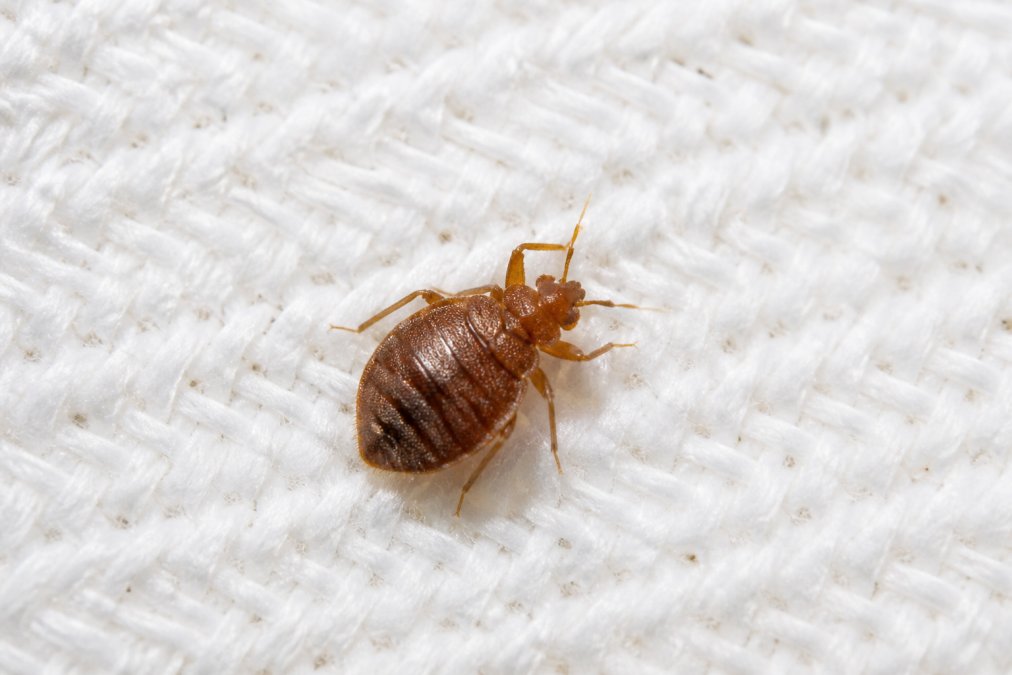
Bed bug eggs are tiny, about 1 millimetre long, and pearl-white or cream-coloured, appearing as small white dots in crevices (peer-reviewed research). Nymphs (juvenile bed bugs) look like miniature adults, progressing through five growth stages before reaching adulthood. A common mistake is confusing bed bugs with other household pests: dust mites are invisible to the naked eye, fleas are smaller and darker, and carpet beetles have visible wings and are more rounded. Bed bugs have no wings and maintain that distinctive flattened profile.
Proper visual identification is the first critical step in addressing an infestation. Many residents misidentify the pest or miss early signs entirely, allowing populations to grow unchecked.
Signs of Bed Bugs in Mattress and Bedding
The most obvious sign is clusters of bites on exposed areas, arms, shoulders, legs, and neck, appearing in lines or groups. These small, red, intensely itchy marks vary in severity by person. Bloodstains appear as small rust-coloured or dark red spots on fitted sheets, pillowcases, and mattress surfaces from crushed insects. Dark fecal spots, tiny black or brown specks, accumulate in clusters on bedding and mattress seams.
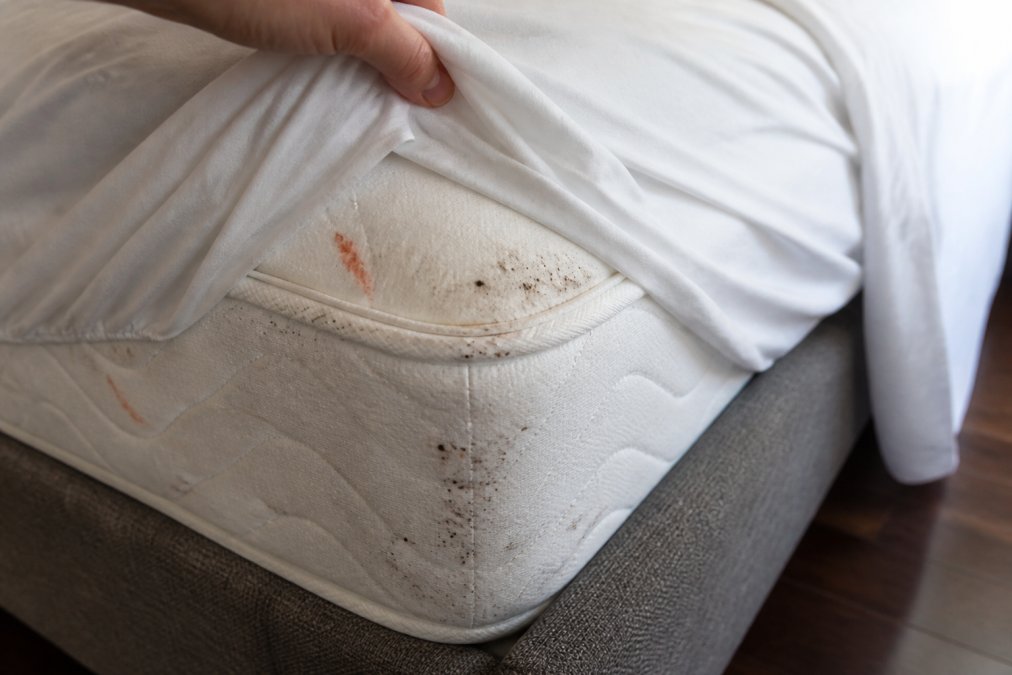
A musty odour from scent glands used for communication indicates heavy infestations. Check your box spring and bed frame carefully for live insects, shed exoskeletons (translucent, papery shells), or egg clusters in crevices, folds, and gaps. Multiple signs together, bloodstains combined with bite patterns, musty odour, and visible insects, point clearly to bed bugs.
Where to Look for Bed Bugs in Your Apartment
In the bedroom, examine every component of the bed: mattress top, bottom, and seams; fitted sheets; box spring; bed frame joints; and headboard and footboard. Move to nearby furniture like nightstands, dressers, and upholstered chairs, checking cushions, seams, and undersides. Inspect baseboards around the bed and throughout the bedroom for gaps where walls meet flooring.
In living areas, check upholstered furniture seams, piping, and undersides of cushions. Look behind and under furniture, and inspect curtains and drapes. In kitchens and bathrooms, check cracks around cabinets, behind appliances, and around pipes. Throughout the apartment, inspect gaps in walls, around electrical outlets, behind picture frames, and any void space smaller than a credit card's thickness.
Step-by-Step Inspection Techniques
A thorough inspection requires a flashlight, magnifying glass, small container for samples, and notebook. Wear light-coloured clothing so insects crawl on you visibly.
Step 1: Prepare supplies. Gather a bright flashlight, magnifying glass, plastic bag for samples, and notebook.
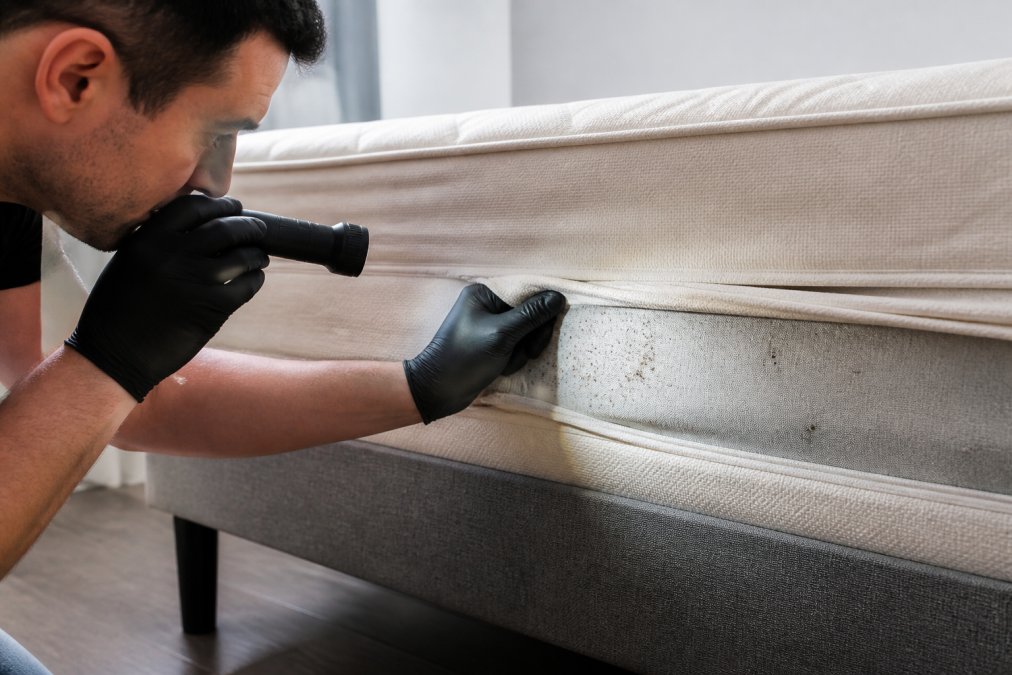
Step 2: Start with the mattress. Remove all bedding, lay the mattress flat, and inspect every surface methodically using the flashlight. Check seams, piping, tufts, labels, and both sides.
Step 3: Inspect the box spring. Flip it over, examine the fabric covering, check the wooden frame, joints, and any tears. Bed bugs often congregate in corners and along seams.
Step 4: Examine the bed frame. Use the flashlight to look into joints and crevices, check upholstered sections, and inspect where the headboard attaches and where legs meet the floor.
Step 5: Check surrounding furniture. Inspect nightstands, dressers, and chairs using the same systematic approach, including drawers, undersides, and backs.
Step 6: Inspect baseboards and walls. Look for gaps where baseboards meet walls, check behind loose baseboards, and inspect cracks around electrical outlets.
Step 7: Document findings. Take photos or place specimens in sealed plastic bags, noting location, date, and time.
Step 8: Check other rooms. Repeat the inspection in living areas and any rooms where you spend significant time. A thorough inspection takes 30 to 60 minutes per room.
How to Report Bed Bugs to Your Landlord
Document your findings before contacting your landlord: take photos of bites, bloodstains, fecal spots, and any live insects or eggs. Write down the date you first noticed signs, locations where you found evidence, and specific symptoms. Contact your landlord in writing via email or formal letter to create a record. State clearly that you've identified signs of bed bugs, describe the evidence, and request immediate pest control treatment.
Review your tenancy agreement, which likely specifies that landlords are responsible for treating infestations as a building maintenance issue, not tenant negligence. If your landlord doesn't respond within 7 to 10 days, follow up with another written communication referencing your initial report and requesting a specific timeline. Keep copies of all correspondence.
Tenant Rights for Pest Control in Rental Units
In most jurisdictions, landlords are legally responsible for treating bed bug infestations at no cost to tenants. You have the right to privacy during treatment with reasonable notice (typically 24 to 48 hours). Your landlord must disclose the type of treatment, health precautions, and preparation requirements. If you have health concerns or allergies, communicate these before treatment begins.
If treatment is ineffective, you have the right to request follow-up treatments. Bed bug infestations typically require multiple treatments spaced 7 to 14 days apart (the EPA). In some jurisdictions, you may have the right to terminate your lease if the landlord fails to treat the infestation within a reasonable timeframe. Document all communication with your landlord regarding the infestation and treatment, keeping copies of emails, letters, and notes from phone conversations.
When to Call a Professional vs. DIY Treatment
DIY treatments are most effective for very early-stage infestations with one or two insects. However, over-the-counter pesticides are less potent than professional-grade treatments, and bed bugs have developed resistance to many common insecticides. DIY treatment requires meticulous attention to detail and often fails if even a small cluster of eggs or insects is missed.
Professional pest control services offer significant advantages: access to more effective treatments including heat treatments that kill all life stages simultaneously, understanding of bed bug biology and behaviour, experience recognizing infestations, and typically a guarantee for retreatment if bed bugs return within a specified period.
Professional treatment is necessary if the infestation is moderate to severe, DIY treatment has already failed, you're uncomfortable using pesticides, you need quick resolution, or you live in a multi-unit building requiring coordinated treatment. Meridian Bed Bug Treatment specializes in addressing infestations that have resisted DIY attempts. The real cost of DIY failure is not just unsuccessful treatment spending, but continued infestation, ongoing bites, sleep disruption, and stress. Professional treatment, while an upfront investment, typically resolves the problem completely.
Conclusion
Identifying bed bugs in apartments requires knowing what to look for, where to search, and how to inspect systematically. Physical identification of the oval-shaped, brownish, flattened insects is foundational. Recognizing signs of infestation, bites, bloodstains, fecal spots, and musty odour, helps you catch problems early. Knowing where bed bugs hide and conducting thorough inspections ensures you don't miss active infestations. Once confirmed, reporting to your landlord and understanding your tenant rights ensures proper treatment. While DIY approaches work for very early infestations, moderate to severe problems almost always require professional intervention.
Frequently Asked Questions
Q: What are the first signs of bed bugs in an apartment?
A: The earliest signs include clusters of bites on your skin, bloodstains on your sheets or pillow, and a musty odour in your sleeping area. You may also notice dark or rust-colored spots on your mattress or bedding, which are bed bug feces. Many people discover an infestation only after noticing bite patterns on their body, so inspect your mattress and box spring regularly if you suspect exposure.
Q: How do I distinguish bed bug bites from other insect bites?
A: Bed bug bites typically appear in clusters or lines on exposed skin, especially on your arms, legs, and torso. They are small, red, and often itchy. Unlike mosquito bites, bed bug bites do not have a central red spot. The pattern matters: bed bugs feed in a line or cluster as they move across your skin, whereas other insects usually leave scattered bites. If bites appear after sleeping and are clustered, bed bugs are likely the cause.
Q: What should I do if I find bed bugs in my rental unit?
A: Document the infestation with photos, then notify your landlord or building management in writing immediately. Provide details about where you found them and when you first noticed signs. Do not attempt extensive DIY treatment before reporting, as your landlord is legally responsible for pest control in most rental situations. Keep a copy of your report for your records. If your landlord does not respond within a reasonable timeframe, contact your local Residential Tenancy Branch or seek legal advice.
Q: Can I check the bed bug history of a building before moving in?
A: You can ask the landlord or property manager directly about any history of bed bugs in the unit or building. Some buildings maintain pest control records, though they may not disclose them voluntarily. You can also inspect the unit carefully before signing a lease: check the mattress, box spring, bed frame, and furniture seams with a flashlight. Look for rust-red or brownish stains, dark spots, and eggs. If you find evidence, you can negotiate treatment before moving in or decline the unit.
If you're dealing with an infestation that's resisted DIY treatment or spread across multiple rooms, Meridian Bed Bug Treatment offers specialized pest control solutions designed specifically for apartments and rental units. Our professional approach uses proven methods to eliminate bed bugs completely, with follow-up treatments to ensure the problem doesn't return. Contact us for a consultation and let our team handle the infestation so you can reclaim your living space.
This article was written using GrandRanker


