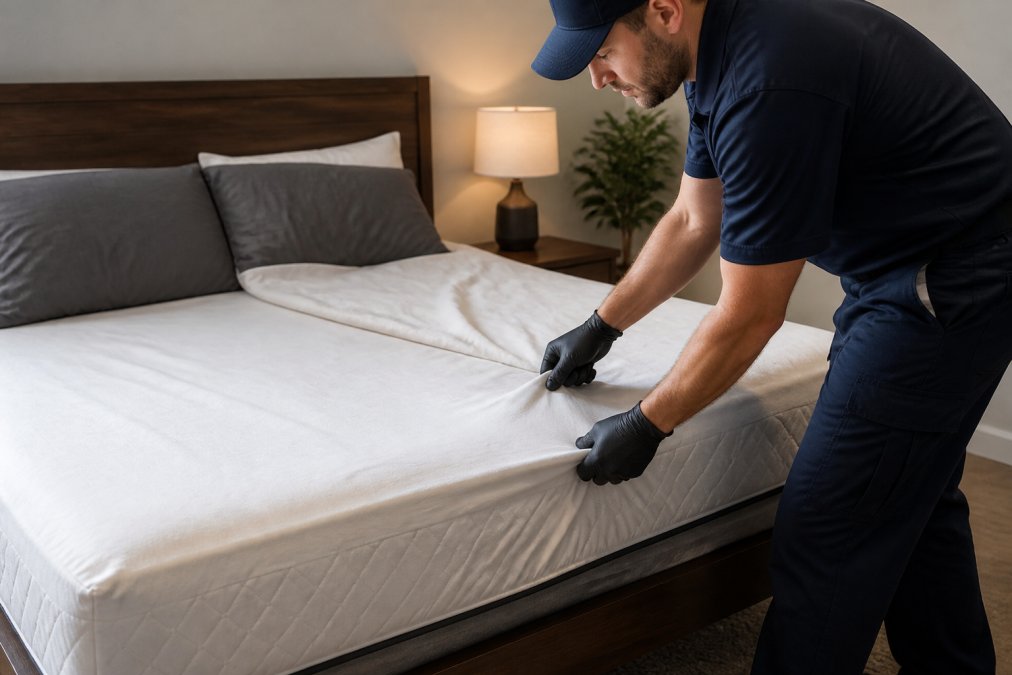
 how-to
What to Do After Bed Bug Treatment: 7 Steps
Table of Contents
- How Long to Stay Out of Your House After Bed Bug Spray
- Clean and Sanitize All Treated Areas
- Wash Clothes and Bedding After Bed Bug Extermination
- Recognize Signs of Bed Bugs After Treatment
- Set Up Monitoring and Inspection Schedules
- Manage Psychological Recovery and Anxiety
- Prevent Re-Infestation Long-Term
- Frequently Asked Questions
Last Updated: August 31, 2026
How Long to Stay Out of Your House After Bed Bug Spray
The re-entry interval after bed bug treatment depends on the method used. Chemical pesticide applications typically require 2-4 hours before it's safe to return, while heat treatments allow re-entry almost immediately once the space cools. Your pest control provider will specify the exact timeframe based on the treatment type, ventilation conditions, and the specific products applied.
During the waiting period, the pesticide residue settles and begins its work against bed bugs. Before re-entering, ensure all windows and doors remain open to maximize ventilation and accelerate dispersal of airborne particles. Most professionals recommend waiting the full recommended interval even if the smell seems to have cleared, as odor dissipation doesn't indicate that all chemical residue has settled safely.
If you have pets or children, keep them away from treated areas until the full re-entry window has passed. This is especially important for infants, young children, and animals with sensitive respiratory systems. When you do return, avoid touching treated surfaces unnecessarily for the first 24 hours.
Clean and Sanitize All Treated Areas
After re-entry, thorough cleaning removes dead bed bugs, shed skins, and fecal matter. Start with vacuuming all carpeted areas using a HEPA-filter vacuum, which contains particles rather than releasing them back into the air. Pay special attention to baseboards, corners, and under furniture where bed bugs hide.
Wipe down all hard surfaces, nightstands, bed frames, headboards, and windowsills, with a damp cloth or appropriate surface cleaner. Bed bug fecal spots (small dark stains) may still be visible on these surfaces. For wood surfaces, use a slightly damp cloth to avoid water damage; for plastic or metal, standard household cleaners work well.
Do not use harsh chemical cleaners immediately after pesticide treatment. The residual treatment is still working, and some chemicals can interfere with its effectiveness or create harmful reactions. Stick to mild soap and water for most surfaces. If you must use a commercial cleaner, wait at least 48 hours after treatment.
Focus on the bedroom first, since that's where bed bugs concentrate. Strip all bedding and wash it separately. Vacuum under the bed thoroughly, including the space between the mattress and box spring. Use a crevice tool attachment to reach tight spaces along the bed frame and legs.
For areas with heavy infestations, consider hiring a professional cleaning service after treatment. They have industrial-grade equipment and know exactly which surfaces pose the highest re-infestation risk.
Wash Clothes and Bedding After Bed Bug Extermination
All clothing, bedding, and fabric items that may have contacted bed bugs must be washed in hot water and dried on high heat. Heat kills bed bugs and their eggs at all life stages. Temperature matters more than detergent type.
Use water temperature of at least 54°C for washing. Dryer heat should reach at least 60°C and run for a minimum of 30 minutes. If your washing machine doesn't reach these temperatures, use a laundromat with commercial-grade equipment that guarantees high-temperature cycles.
Start with all bedding: sheets, pillowcases, duvet covers, and blankets. Don't shake out the bedding before washing, as this can spread bed bugs to other areas. Place items directly into the washing machine from the bed. Include all clothing from affected bedrooms, even items in drawers or closets that may have been exposed.
Dry items on high heat immediately after washing. Don't leave damp items in the washer or dryer, as bed bugs can survive in damp environments. Once dried, place items in sealed plastic bags or containers until you've confirmed the infestation is fully resolved.
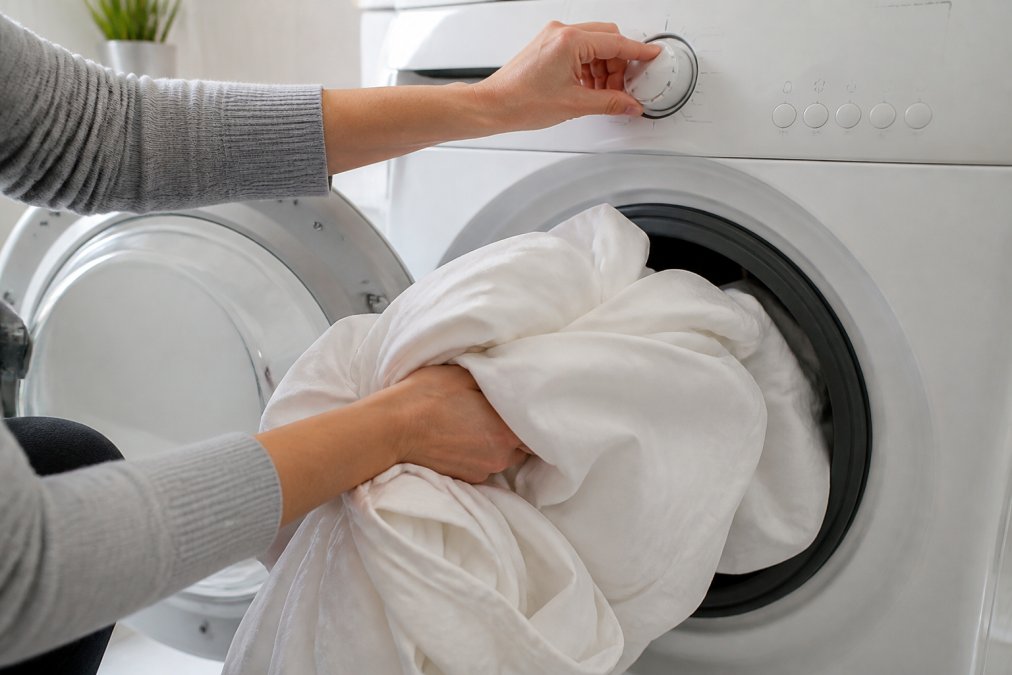
For items that can't be washed (delicate fabrics, leather, electronics), place them in sealed bags in a freezer at -18°C for at least 4 days. Extreme cold also kills bed bugs. Alternatively, a professional dry cleaner experienced with bed bug-infested items can treat these materials safely using heat-based methods.
Recognize Signs of Bed Bugs After Treatment
Even after professional treatment, you may still see bed bugs or evidence of them in the first 1-2 weeks. This doesn't mean the treatment failed. Bed bugs that consumed pesticide-treated blood may take several days to die, and some insects in protected areas may take longer to be affected.
Look for live bed bugs during daily inspections. After treatment, living bugs should decrease noticeably each day. If you see the same number or more bugs after a week, contact your pest control provider; this may indicate re-treatment is needed.
Shed skins and exoskeletons are normal after treatment. Finding shed skins means the pesticide is working, not that new bed bugs are present. Small dark stains on sheets, mattresses, or furniture are fecal spots from bed bugs. These may persist for weeks even after all living bugs are dead but are harmless.
Bites on your skin may continue for a few days after treatment as any remaining bed bugs feed before the pesticide takes full effect. New bites should stop appearing within 3-5 days if the treatment is working. If you continue getting bitten after two weeks, this signals a problem requiring follow-up treatment.
Monitor your anxiety about potential bites. Many people report phantom itching or misidentified skin irritations in the weeks after discovering an infestation. Distinguish between actual bed bug bites (small red welts, often in clusters or lines) and other skin irritations.
Set Up Monitoring and Inspection Schedules
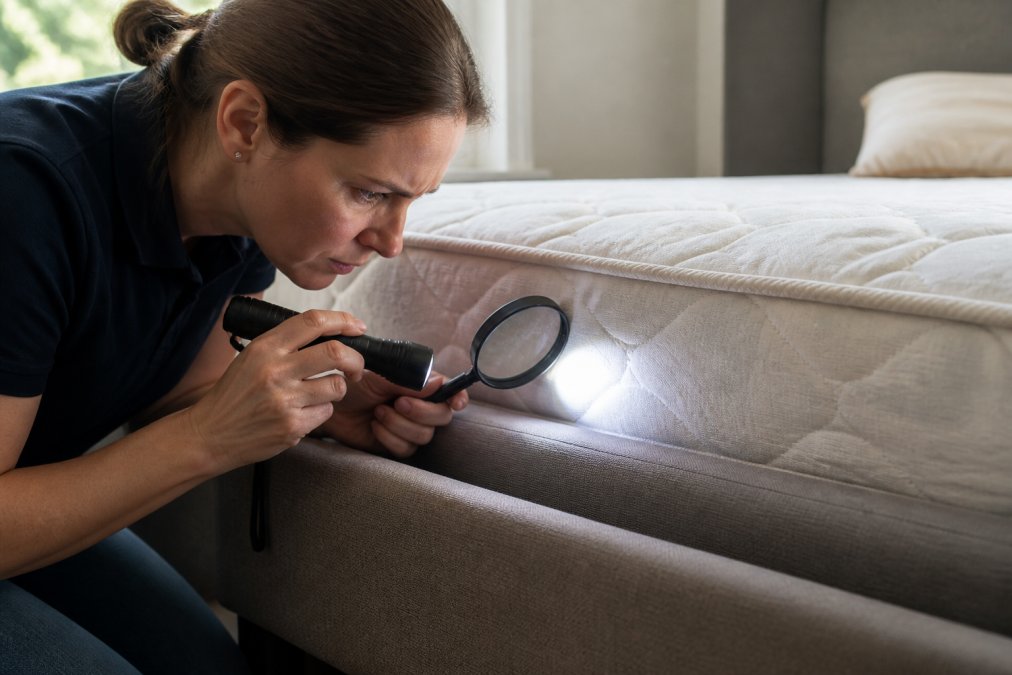
Establish a monitoring routine to catch any signs of re-infestation early. The first 30 days after treatment are critical. Inspect your mattress, box spring, and bed frame every 3-4 days using a flashlight and magnifying glass to examine seams, piping, and tufts where bed bugs hide.
Check other furniture in the bedroom: nightstands, dressers, and upholstered chairs. Inspect baseboards and the junction where walls meet the floor, as these are common harborage sites.
Use interceptor cups (climb-up interceptors) under all bed and furniture legs. These simple plastic cups with sloped sides trap bed bugs that try to climb up to feed. Check them daily for the first week, then every 3-4 days for the next month. Alternatively, place double-sided tape around the base of bed legs as a low-cost monitoring method.
Schedule a professional follow-up inspection 2-3 weeks after treatment. Your pest control provider can detect bed bugs you might miss and determine whether re-treatment is necessary. Most companies recommend a second treatment 10-14 days after the first to eliminate any eggs that hatched after the initial application.
Continue monthly inspections for at least 3 months after treatment. Bed bugs can survive without feeding for months, so consistent monitoring catches problems early.
Manage Psychological Recovery and Anxiety
Discovering a bed bug infestation triggers significant anxiety and stress. These reactions are normal and valid. Bed bugs carry a social stigma that intensifies the psychological impact, even though infestations occur in clean homes and aren't a reflection of your housekeeping.
Acknowledge that recovery takes time. The physical infestation may be resolved in weeks, but emotional recovery often takes longer. Reassure yourself that professional treatment is highly effective and that your home will be pest-free.
Establish a bedtime routine that helps you feel safe. Some people benefit from sleeping on a different bed temporarily until they feel confident the infestation is gone. Others find that sleeping on the treated bed with clean sheets and protective encasements reinforces that the problem is being addressed.
Avoid obsessive checking and over-cleaning, which can worsen anxiety. Set specific times for inspection rather than checking constantly. Talk to family members or friends about your experience; social isolation intensifies anxiety. Many households deal with bed bugs, you're not alone.
If anxiety persists beyond 4-6 weeks or significantly impacts your sleep and daily functioning, consider speaking with a mental health professional. Cognitive-behavioral therapy is effective for anxiety related to health concerns and infestations.
Prevent Re-Infestation Long-Term
Once your home is treated and monitored, focus on preventing new infestations. Bed bugs spread primarily through travel and secondhand furniture. Be cautious when bringing used items into your home; inspect mattresses, couches, and upholstered furniture carefully before accepting them.
When traveling, inspect hotel rooms before unpacking. Check the mattress seams, headboard, and furniture for live bugs or fecal spots. Keep luggage away from the bed and on a luggage rack or in the bathroom. Upon returning home, unpack directly into the washing machine and inspect your luggage before storing it.
Use mattress and box spring encasements on all beds. These zippered covers trap any bed bugs inside, preventing them from feeding or escaping. Encasements must be left in place for at least one year. Check them regularly for tears or damage.
Reduce clutter in bedrooms and throughout your home. Clutter provides hiding places for bed bugs. Minimize items stored under the bed, in closets, and on shelves. Seal cracks and crevices in walls, baseboards, and around electrical outlets to reduce harborage sites.
Maintain regular vacuuming and cleaning routines. While this won't prevent infestation if bed bugs are introduced, it helps you detect problems early. Educate household members about bed bug signs so everyone knows what to look for.
If you live in a multi-unit building, communicate with your landlord or property manager about any signs of bed bugs. Professional integrated pest management across the entire building is more effective than treating individual units.
After bed bug treatment, your role shifts from addressing an active infestation to preventing its return. The combination of professional treatment, thorough cleaning, consistent monitoring, and long-term prevention strategies creates multiple barriers against re-infestation. Meridian Bed Bug Treatment provides specialized treatment tailored to your specific situation, whether you're a homeowner, property manager, or short-term rental operator, ensuring your space remains comfortable and pest-free. Contact Meridian Bed Bug Treatment to discuss your treatment options and post-treatment monitoring plan.
Frequently Asked Questions
How long after bed bug treatment can I return to my home?
The re-entry interval depends on the treatment method used. Chemical pesticide applications typically require 2-4 hours before you can safely re-enter, though your professional exterminator will provide specific instructions. Heat treatments allow immediate re-entry once the home cools. Always follow your treatment provider's guidance on re-entry timing to avoid chemical exposure, especially for children and pets.
What are the signs of bed bugs after treatment?
After treatment, you may still see dead bed bugs, shed skins, or eggs for several days, this is normal. Live activity, however, should decrease significantly within 1-2 weeks. Look for live nymphs or adults crawling on bedding, mattress seams, or furniture, or new bite marks appearing after treatment. If you notice persistent live activity after 2 weeks, contact your exterminator for a follow-up inspection.
Do I need to wash all my clothes after bed bug extermination?
Yes, washing clothes in hot water (at least 50°C) and drying on high heat kills bed bugs and eggs at all life stages. Focus on clothing worn in infested areas and bedding. Seal clean items in plastic bags to prevent re-contamination. Items that cannot be heat-treated should be sealed in bags for at least 18 months or placed in a freezer at -18°C or lower for 4 days.
How long does it take for bed bugs to completely disappear after treatment?
Most infestations show significant improvement within 1-2 weeks of professional treatment, but complete eradication typically takes 3-6 weeks depending on infestation severity and treatment method. Heat treatments often work faster than chemical applications. Multiple follow-up inspections are essential to confirm all bed bugs and eggs are gone before you can consider the infestation fully resolved.
This article was written using GrandRanker


