 blog
blog
5 Signs You Need Professional Pest Control for Bed Bugs
Table of Contents
- Sign 1: Physical Signs of Bed Bug Bites and Active Infestation
- Sign 2: Visible Bed Bug Evidence in Your Home
- Sign 3: DIY Treatments Have Failed Multiple Times
- Sign 4: The Infestation Keeps Recurring
- How to Prepare for Bed Bug Treatment
- Understanding Bed Bug Exterminator Cost and Timeline
- Why Professional Pest Control Succeeds Where DIY Fails
- Frequently Asked Questions
Last Updated: September 28, 2026
Sign 1: Physical Signs of Bed Bug Bites and Active Infestation
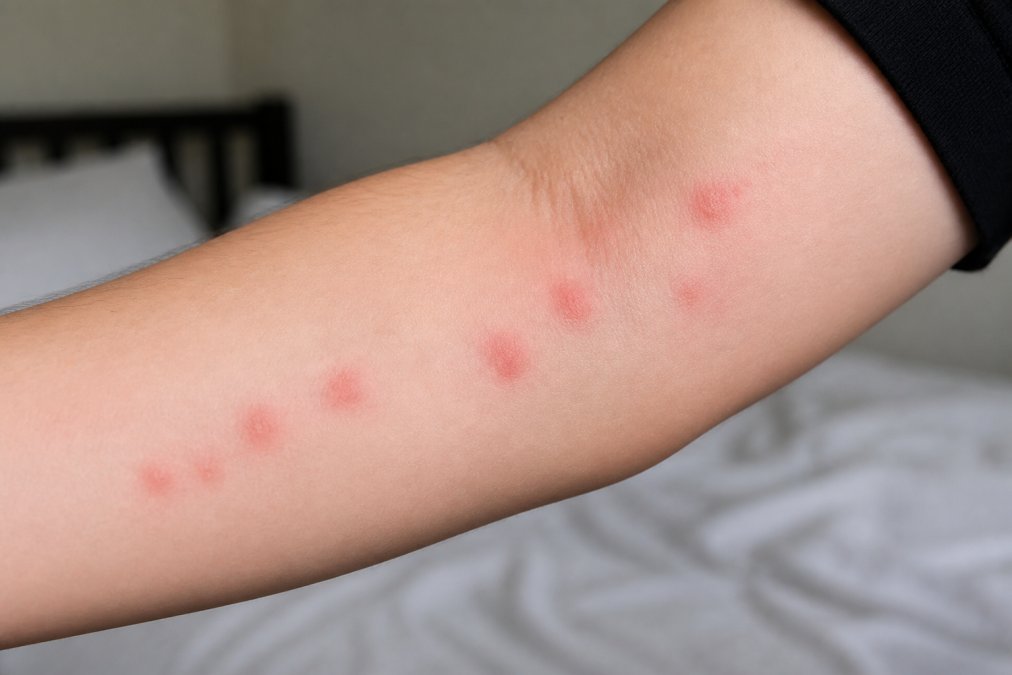
Bed bug bites appear as small, itchy bumps in lines or clusters on exposed areas like arms, legs, neck, or face, developing within hours to days after feeding. Correctly identifying the source, rather than confusing them with mosquito, flea, or other insect bites, is essential for choosing the right treatment.
Recognizing bite patterns and welts
Bed bug bites form distinctive lines or clusters because the insect feeds multiple times in one night. The welts are raised, red, itchy, and may develop a darker center. Reactions vary: some people show symptoms immediately, others take days to notice bites, and a few develop no visible bites despite active feeding.
How to distinguish bed bug bites from other insects
Bed bugs vs. mosquitoes: Mosquito bites appear randomly on exposed skin; bed bug bites cluster in lines on covered areas (wrists, ankles). Mosquito bites itch immediately; bed bug bites may take hours or days. Mosquitoes bite outdoors at dusk; bed bugs bite indoors at night.
Bed bugs vs. fleas: Flea bites are smaller, on lower legs and ankles; bed bug bites are larger, on any body part. Fleas infest pets; bed bugs do not.
Bed bugs vs. scabies: Scabies burrow under skin with visible tunnels; bed bug bites stay on the surface. Scabies spread through skin contact; bed bugs through infested furniture.
Bed bugs vs. hives: Hives appear suddenly across large areas and change shape; bed bug bites cluster in specific spots and persist for days or weeks.
Finding fecal stains and blood spots on bedding
Bed bugs leave dark fecal stains (digested blood) on sheets, mattress seams, pillowcases, headboards, and box springs. Fresh blood spots appear bright red when you crush a recently fed bug; older stains darken. These stains don't wash out easily and are a definitive sign of infestation.
If you see these marks, don't delay. Blood spots and fecal stains indicate an active infestation that requires attention. The sooner you act, the easier the problem becomes to manage.
Sign 2: Visible Bed Bug Evidence in Your Home
Finding physical evidence of bed bugs beyond bites is one of the 5 signs you need professional pest control for bed bugs. These pests leave behind multiple types of evidence that confirm an infestation.
Shed skins, exoskeletons, and egg clusters
Shed exoskeletons (tan or brown, rice-sized shells) and egg clusters (tiny white specks) appear in mattress seams, box springs, bed frames, headboards, furniture, and baseboards. Finding these means the infestation is established and growing, professional intervention is essential.
The musty odor of an active infestation
Active bed bug infestations produce a distinctive musty, sweet odor (similar to coriander) from scent glands. Light infestations may have no noticeable smell; as the population grows, the odor becomes stronger. A musty smell combined with other signs indicates a significant population that DIY methods rarely eliminate.
Sign 3: DIY Treatments Have Failed Multiple Times
After multiple failed DIY attempts, professional pest control is necessary. DIY methods fail because over-the-counter sprays don't penetrate deep hiding spots, bed bugs have developed pesticide resistance, heat treatments require precise sustained temperatures, and vacuuming misses eggs in seams and cracks. Each failed treatment allows the population to grow and spread. Professional exterminators have access to stronger treatments, know where bed bugs hide, and target every life stage, adults, nymphs, and eggs.
Sign 4: The Infestation Keeps Recurring
Recurring infestations signal that your treatment approach needs to change. Understanding why they happen and how to verify treatment success is essential to breaking the cycle.
Why infestations recur after treatment
Recurring infestations happen because eggs survive initial treatment and hatch 7-14 days later, the infestation spread to untreated areas, bed bugs were reintroduced from travel or used furniture, or follow-up treatments weren't completed. One-time treatments fail because bed bugs have a multi-week life cycle. Professional pest control schedules follow-up visits 7-14 days apart to catch newly hatched nymphs before they become adults.
How to verify treatment actually worked
Active monitoring after professional treatment gives early warning if bed bugs are returning. Days 1-7: Inspect mattress seams, box spring, and headboard every 2-3 days for live bugs, shed skins, or eggs. Check skin each morning for new bites and keep a log with photos. Don't wash bedding until approved. Days 8-14: Newly hatched nymphs emerge; inspect the same areas every 2-3 days for tiny nymphs or shed skins.
When to suspect treatment has truly failed
Treatment failure is confirmed if:
- New bites appear 10+ days after the first professional treatment
- You find live bed bugs, shed skins, or eggs after the second treatment
- Bites continue to appear after day 21 (three weeks post-initial treatment)
- The pattern of bites repeats in the same locations on your body
If any of these occur, your exterminator should conduct a thorough re-inspection and may recommend:
- A different pesticide or treatment method (heat treatment, for example, if chemical treatment failed)
- Treatment of additional areas not covered in the first visit (living room, closets, or neighbouring units if you live in a multi-unit building)
- More frequent follow-up visits (some severe infestations require three or more treatments)
- An assessment of whether bed bugs are being reintroduced from an external source
The cost of recurring infestations
Each recurrence extends the timeline and increases costs. Each recurrence extends the timeline and increases costs. Additionally, each month of delay allows the population to grow exponentially, a small infestation can become severe in 4-6 weeks.
How to Prepare for Bed Bug Treatment
Before the professional team arrives, preparation matters. Proper preparation makes treatment more effective and faster.
Preparation steps:
- Wash all bedding in hot water and dry on high heat
- Remove clutter from floors and under beds
- Move furniture away from walls slightly
- Seal cracks and crevices where possible
- Inform your exterminator about areas of concern
- Plan to stay out of treated areas for the recommended time
Understanding Bed Bug Exterminator Cost and Timeline
Professional bed bug treatment involves costs and timeframes that vary based on infestation severity and your home's size. At Meridian Bed Bug Treatment, we understand that budget matters. Pricing depends on the extent of the infestation, the size of the area being treated, and the treatment method required.
How long does it take to get rid of bed bugs
Complete bed bug elimination typically takes two to four weeks with professional treatment. This timeline accounts for the bed bug life cycle.
Here's what happens:
- Initial treatment targets adult bed bugs and nymphs
- Eggs remain unaffected by most treatments
- Follow-up treatment (usually 7-14 days later) eliminates newly hatched nymphs
- Final inspection confirms all bed bugs are gone
Why Professional Pest Control Succeeds Where DIY Fails
Professional exterminators bring expertise, equipment, and access to treatments that consumers don't have. They understand bed bug behavior, hiding patterns, and life cycles.
What professionals do differently:
| Sign | What to Look For | Next Step |
|---|---|---|
| Physical bites | Red welts in lines or clusters | Monitor for other signs |
| Fecal stains and blood spots | Dark spots on sheets and mattress seams | Inspect for additional evidence |
| Visible bugs, shed skins, or eggs | Empty shells or tiny white specks near hiding spots | Call professional immediately |
| Musty odor | Sweet, coriander-like smell in bedroom | Confirm infestation, schedule treatment |
| Failed DIY treatments | Bites return after multiple attempts | Contact professional exterminator |
| Recurring infestation | Bed bugs return weeks after treatment | Schedule professional follow-up plan |
Frequently Asked Questions
Why do DIY bed bug treatments often fail?
DIY treatments fail because bed bugs hide in deep mattress seams, bed frame crevices, and upholstered furniture where over-the-counter sprays cannot reach. Bed bugs develop resistance to common chemicals, and incomplete coverage allows survivors to rebuild the infestation. Professional pest control uses integrated pest management strategies, heat treatment, and targeted chemical applications to eliminate all life stages, nymphs and adult bed bugs alike.
How long does it take to get rid of bed bugs with professional treatment?
Professional bed bug extermination typically requires 2-3 treatments spaced 7-14 days apart to eliminate all nymphs and eggs that hatch after the initial application. Complete eradication usually takes 3-6 weeks from start to finish. The timeline depends on infestation severity, treatment method (chemical versus heat treatment), and how thoroughly your home is prepared. Post-treatment monitoring helps confirm success and catch any recurring activity early.
Is it worth getting an exterminator for bed bugs?
Yes, especially after failed DIY attempts. The cost of professional extermination is offset by avoiding repeated purchases of ineffective treatments, preventing the infestation from spreading to other rooms or units, and eliminating the psychological stress of ongoing bites and sleepless nights. Professional pest control professionals use proven methods, making it a more reliable investment than continuing to struggle with home treatments.
What should I look for when hiring a bed bug exterminator?
Choose an exterminator who specializes in bed bug treatment, offers a detailed inspection before quoting, and explains their treatment plan clearly. Verify they use integrated pest management approaches and provide follow-up visits. Ask about their experience with your property type, homes, condos, apartments, hotels, or rentals, since each has unique challenges.