 ultimate-guide
Can Bed Bugs Be Eliminated Permanently? The Truth
Table of Contents
- Why Bed Bugs Are So Hard to Eliminate Permanently
- Life Cycle, Dormancy, and Pesticide Resistance
- Harborage Areas and Clutter: Where They Hide
- Signs of a Bed Bug Infestation You Should Not Ignore
- Heat Treatment vs Chemical Spray for Bed Bugs
- How to Prepare for Professional Bed Bug Treatment
- DIY vs Professional Bed Bug Elimination: A Cost-Benefit Look
- Post-Treatment Monitoring: The Step That Prevents Re-Infestation
- Bed Bug Prevention Tips for Homeowners
- Conclusion
- Frequently Asked Questions
Last Updated: September 10, 2026
Why Bed Bugs Are So Hard to Eliminate Permanently
Bed bugs are one of the most resilient pests a homeowner can face, and understanding why is the first step toward answering whether can bed bugs be eliminated permanently. These insects can quickly outmaneuver standard control methods. The short answer: permanent elimination is achievable, but it requires a structured, professional approach rather than a single spray or store-bought kit.
Three factors make bed bugs exceptionally difficult to wipe out:
- Rapid life cycle: A female can lay hundreds of eggs in her lifetime, and nymphs reach maturity in weeks, so populations rebound fast (the CDC).
- Dormancy: Bed bugs can survive for extended periods without a blood meal, waiting out treatments in cracks and wall voids.
- Pesticide resistance: Decades of insecticide use have produced populations with genetic mutations that blunt common chemical treatments.
According to Health Canada's pest control product information, many over-the-counter insecticides are no longer reliably effective against bed bugs, which is why professional pest control remains the recommended route.
Life Cycle, Dormancy, and Pesticide Resistance
A bed bug's life cycle is its greatest weapon. Eggs hatch into nymphs that molt five times before adulthood, and each stage requires a blood meal to progress. Because multiple generations coexist in a single infestation, killing adults alone leaves eggs and nymphs behind to restart the cycle.
Dormancy compounds the problem. When no host is available, bed bugs slow their metabolism and wait. This is why a treatment that looks successful on day one can appear to fail two weeks later.
Pesticide resistance has become a defining challenge. Common active ingredients are losing effectiveness as resistant populations spread, pushing professionals toward heat treatment and targeted chemical application rather than blanket spraying.
Harborage Areas and Clutter: Where They Hide
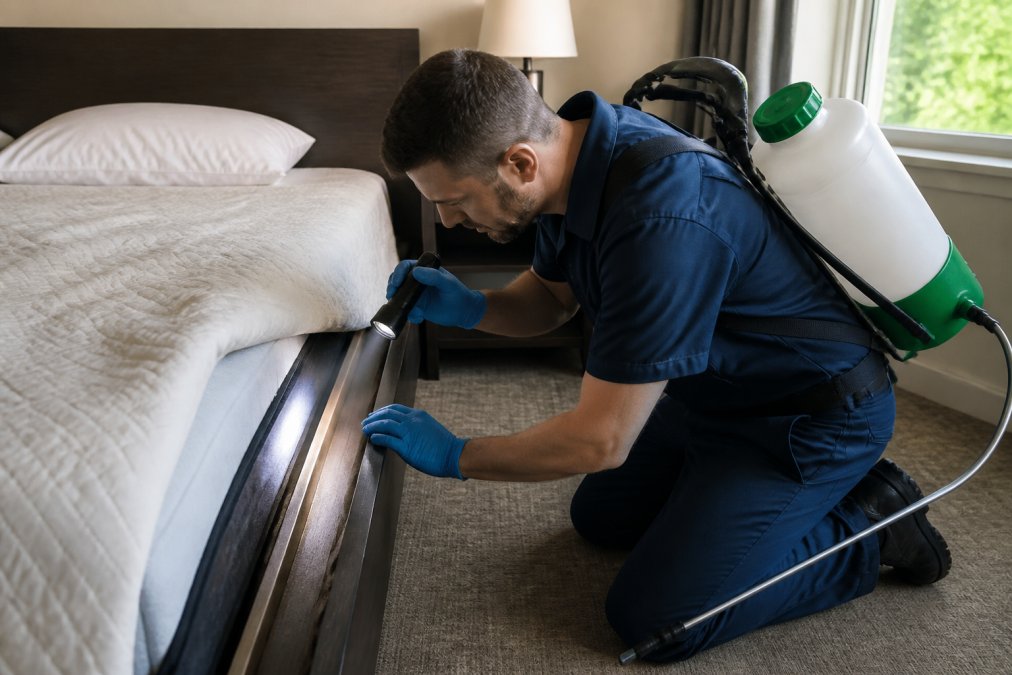
Bed bugs thrive in harborage areas that are dark, tight, and close to where people sleep. The most common hiding spots include:
- Mattress seams, box springs, and bed frames
- Baseboards, electrical outlets, and picture frames
- Curtain folds, upholstered furniture, and carpet edges
- Nightstands, dressers, and behind headboards
Clutter reduction is one of the most underrated preparation steps. The more items in a room, the more harborage areas bed bugs have, and the harder it is for any treatment to reach them. Reducing clutter before treatment directly improves success rates.
Signs of a Bed Bug Infestation You Should Not Ignore
Early detection makes permanent elimination far more achievable. Watch for these signs:
- Small rust-colored stains on sheets or mattresses
- Tiny dark spots that look like pepper along seams
- Shed skins from growing nymphs
- Live bugs, especially around mattress edges
- An itchy bite pattern, often in lines or clusters
Ignoring these signs lets the infestation spread to other rooms and units. In apartments, delay almost always means the problem moves to neighbors.
Heat Treatment vs Chemical Spray for Bed Bugs
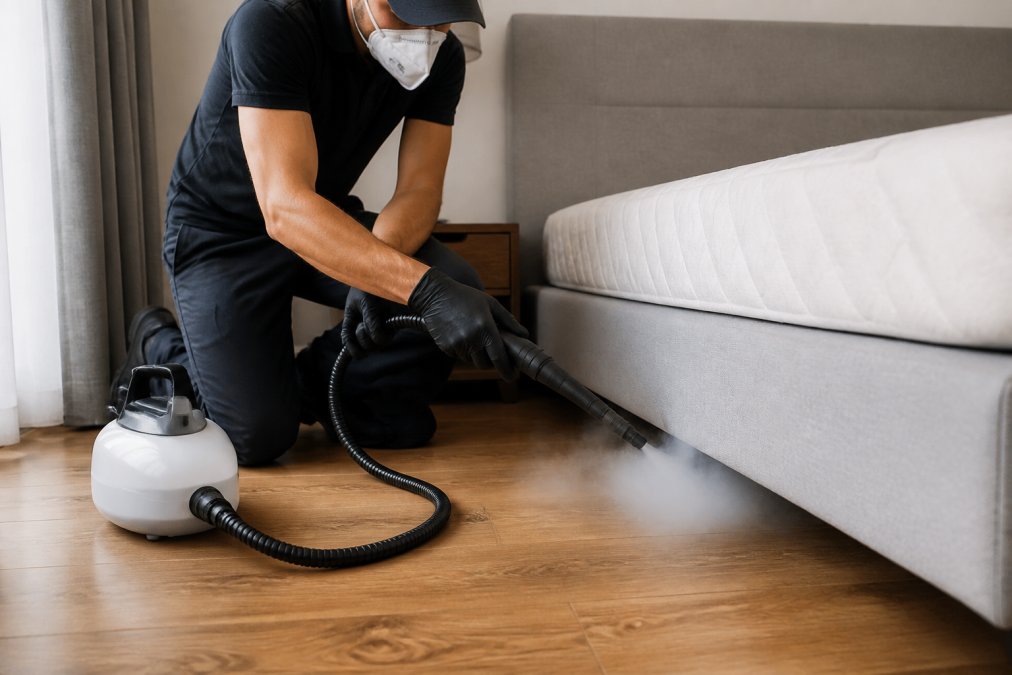
Heat treatment and chemical spray are the two primary professional methods, and each has a distinct role. Heat treatment raises the temperature of a room or unit high enough to kill bed bugs and their eggs at every life stage. Chemical spray applies targeted insecticide to harborage areas and surfaces.
| Method | Strengths | Limitations | Best For |
|---|---|---|---|
| Heat treatment | Kills all life stages, no pesticide resistance issue | Requires prep and equipment, higher cost | Heavy infestations, sensitive spaces |
| Chemical spray | Reaches cracks and voids, residual protection | Resistance risk, eggs may survive | Targeted treatment, follow-up passes |
What Each Method Does Well (and Where It Falls Short)
Heat treatment excels at rapid eradication because bed bugs cannot survive sustained high heat. Its limitation is that it requires careful preparation and doesn't leave residual protection, so monitoring afterward is essential.
Chemical application reaches into cracks and voids that heat may not fully penetrate and can leave a residual barrier. The catch is pesticide resistance and the fact that eggs are tougher to kill with some products. Many effective programs combine both methods rather than choosing one.
How to Prepare for Professional Bed Bug Treatment
Proper preparation is what separates a treatment that works from one that fails. Follow these steps before your technician arrives:
- Reduce clutter in every affected room and bag loose items.
- Launder all bedding and clothing on the hottest setting the fabric allows, then seal in clean bags.
- Vacuum floors, seams, and furniture, and dispose of the vacuum bag immediately.
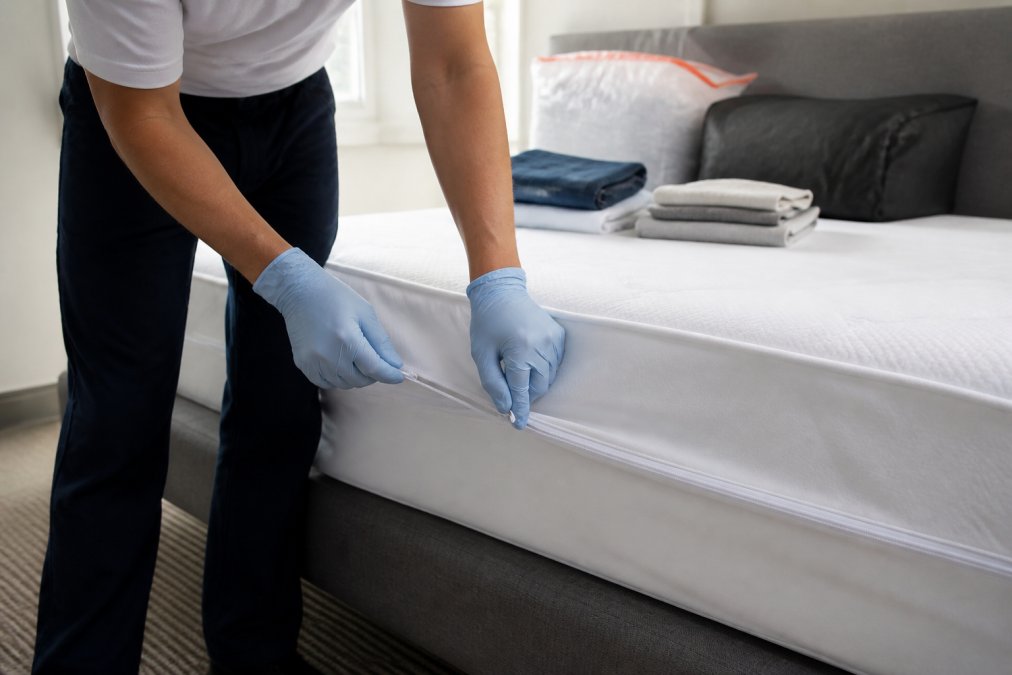
- Encase mattresses and box springs in zippered covers to trap bugs and prevent re-infestation.
- Move furniture away from walls to expose baseboards and harborage areas.
- Do not apply your own insecticide before treatment, as it can scatter bed bugs and interfere with the professional application.
DIY vs Professional Bed Bug Elimination: A Cost-Benefit Look
DIY appeals because the upfront spend looks small. A store-bought spray, a fogger, or a bag of diatomaceous earth costs a fraction of a professional visit. The problem is that the true cost of DIY is not the product, it is the repeat cycles, the spread, and the weeks of disrupted sleep that follow a failed attempt.
Why DIY Attempts Commonly Fail
Most over-the-counter products are contact killers. They drop the bed bugs they touch, but they do not reach the eggs tucked into mattress seams, the nymphs hidden behind baseboards, or the adults sheltering inside wall voids and electrical outlets. A common pattern is a visible knockdown followed by a rebound two to three weeks later, once the surviving eggs hatch and the next generation matures.
Foggers and bug bombs make this worse. The mist disperses bed bugs deeper into cracks and adjoining rooms rather than eliminating them, which spreads the infestation and makes the eventual professional treatment harder. Diatomaceous earth can work as a slow abrasive, but only when applied in a thin, even layer directly into harborage areas, a level of precision most residents cannot achieve without training.
The Hidden Costs of a Failed DIY Attempt
When you tally a failed DIY effort honestly, the line items add up quickly:
- Product spend: Multiple rounds of sprays, powders, and encasements, often replaced after each rebound.
- Laundry and disposal: Repeated high-heat washing of bedding and clothing, plus bagging and replacing infested items.
- Time: Inspection, re-inspection, and re-treatment cycles that stretch across weeks.
- Spread: Bed bugs migrating from the original room into adjacent rooms or, in shared buildings, into neighboring units.
- Sleep and stress: The anxiety and sleep deprivation of sharing a bed with an active infestation, which compounds every other cost.
What Professional Treatment Actually Delivers
A professional program is not a single spray. It is an inspection to confirm the species and map the harborage areas, a treatment plan that combines methods appropriate to the infestation, and a scheduled follow-up to catch survivors. Trained technicians can apply heat to raise a room above the thermal death threshold for bed bugs at every life stage, use targeted residual products in cracks and voids, and place monitors to verify results.
For a single, recently introduced bug in one room of a detached home, a careful DIY approach with professional-grade products and disciplined monitoring can sometimes resolve the issue. For an apartment, a multi-unit building, a recurring problem, or any infestation that has been active for more than a few weeks, professional eradication is usually the more economical path once repeat treatments, spread, and lost time are counted.
Health Canada's pest control product information
Post-Treatment Monitoring: The Step That Prevents Re-Infestation
Whether can bed bugs be eliminated permanently is not proven on treatment day. It is proven over the weeks that follow, when the absence of new bites, new shed skins, and new live bugs confirms that no eggs survived and no new bed bugs arrived. This is the step most guides skip, and it is the step that turns a successful treatment into a permanent result.
A Structured 8-Week Verification Protocol
A practical monitoring window runs about eight weeks after the final treatment, because that covers the full egg-to-adult cycle at typical indoor temperatures. A common professional protocol looks like this:
- Weeks 1-2: Inspect mattress seams, box springs, and bed frames every few days. Place interceptor monitors under each bed leg and check them weekly.
- Weeks 3-4: Reduce inspections to once a week. Keep encasements on mattresses and box springs. Look for any new fecal spotting or shed skins.
- Weeks 5-8: Continue weekly checks. If monitors stay empty and no new signs appear, the treatment can be considered successful.
- Any time: If a live bed bug, a nymph, or fresh fecal spotting appears, treat it as a new finding and schedule a follow-up inspection rather than waiting.
What 'Permanent' Actually Means
No pest control method can guarantee that a bed bug will never enter your home again. What professional treatment can achieve is elimination of the current infestation, verified by monitoring. Permanent, in practice, means two things: the existing population is gone, and you have a routine that catches a new introduction before it becomes an infestation.
The Multi-Unit Problem Most Guides Ignore
In apartments, condos, and any shared building, re-infestation rarely comes from inside your unit. It comes through shared walls, floor and ceiling voids, and common laundry or storage areas. A single treated unit in an untreated building is a temporary fix.
If you rent or own in a multi-unit building, the monitoring plan has to include the building, not just your suite:
- Notify your landlord or property manager in writing as soon as you confirm an infestation, so adjacent units can be inspected.
- Ask whether neighboring units were inspected and treated. If they were not, assume migration is still possible.
- Seal what you can control: caulk gaps around baseboards, outlets, and pipe penetrations, and keep mattress encasements in place for at least a year.
- Use interceptors on every bed in the unit, not just the one where the infestation was found.
- Document everything: dates of inspections, monitor results, and any new findings. This record is what supports a follow-up treatment request if the problem returns.
The Psychological Side of Monitoring
Living with the uncertainty of a possible rebound is exhausting. Sleep disruption and hypervigilance are common after an infestation, even when the bugs are gone. A defined monitoring window with a clear end date helps: it gives you a structured way to confirm the result instead of checking the mattress every night indefinitely. If anxiety or sleep problems persist after the monitoring period ends clean, that is worth addressing on its own.
Bed Bug Prevention Tips for Homeowners
Prevention is about denying bed bugs a way in and a place to hide. A few habits make a measurable difference:
- Inspect secondhand furniture before bringing it inside
- Check hotel and rental rooms when traveling, and wash clothes on high heat afterward
- Seal cracks around baseboards and outlets
- Keep bedrooms free of excess clutter
- Vacuum regularly and empty the canister outside
- Communicate quickly in shared buildings so one unit's problem doesn't become everyone's
For property managers and short-term rental operators, a written inspection routine between guests is one of the most effective prevention tools available.
Conclusion
Permanent bed bug elimination is possible, but it depends on treating the infestation thoroughly and then staying vigilant long after the last bug is gone. The homeowners and property managers who succeed are the ones who combine professional treatment with disciplined monitoring and prevention.
If you're dealing with an active infestation or a DIY attempt that didn't hold, Meridian Bed Bug Treatment can help. Our specialized bed bug services cover homes, condos, apartments, hotels, and short-term rentals across Vancouver and the Lower Mainland, with solutions designed for both residents and property managers.
Frequently Asked Questions
Is it safe to sleep in a room with diatomaceous earth?
Food-grade diatomaceous earth is low-risk when applied in thin, targeted layers along baseboards and cracks, but it is a fine dust that can irritate lungs if inhaled. Wear a mask during application, keep pets and children away from treated areas until the dust settles, and avoid spreading it across open floors. It is not a fast fix: bed bugs must crawl through it repeatedly to dehydrate and die, so it works best alongside other bed bug elimination methods rather than on its own.
Why do bed bug infestations often return after treatment?
Re-infestation usually happens for one of three reasons: eggs survived because they were missed, bed bugs hid in untreated harborage areas like wall voids or furniture seams, or new bugs were brought back in on luggage, secondhand items, or shared laundry. Because a single female can lay hundreds of eggs and nymphs are tiny and pale, a missed pocket can restart the cycle within weeks. This is why post-treatment monitoring with traps and regular inspections matters as much as the initial treatment.
Are professional heat treatments more effective than chemical sprays?
Heat treatment raises the entire room, including furniture and wall voids, to a lethal temperature, which kills all life stages from eggs to adults in a single session. Chemical sprays depend on direct contact and residual insecticide, and some bed bug populations have developed resistance. Many professional pest control plans combine both: heat for a fast knockdown, then targeted chemical application and monitoring to catch survivors. A licensed professional can assess which approach suits your space.
How can I prevent bed bugs from coming back after treatment?
Bed bug prevention tips for homeowners center on disrupting how the bugs travel and hide. Encase mattresses and box springs in zippered covers, vacuum weekly including seams and baseboards, launder bedding on high heat, and reduce clutter that creates harborage areas. When traveling, inspect hotel beds and keep luggage off the floor. In multi-unit buildings, seal gaps around baseboards and outlets, and tell your property manager early if you notice bites, shed skins, or dark spots so the issue is handled before it spreads.