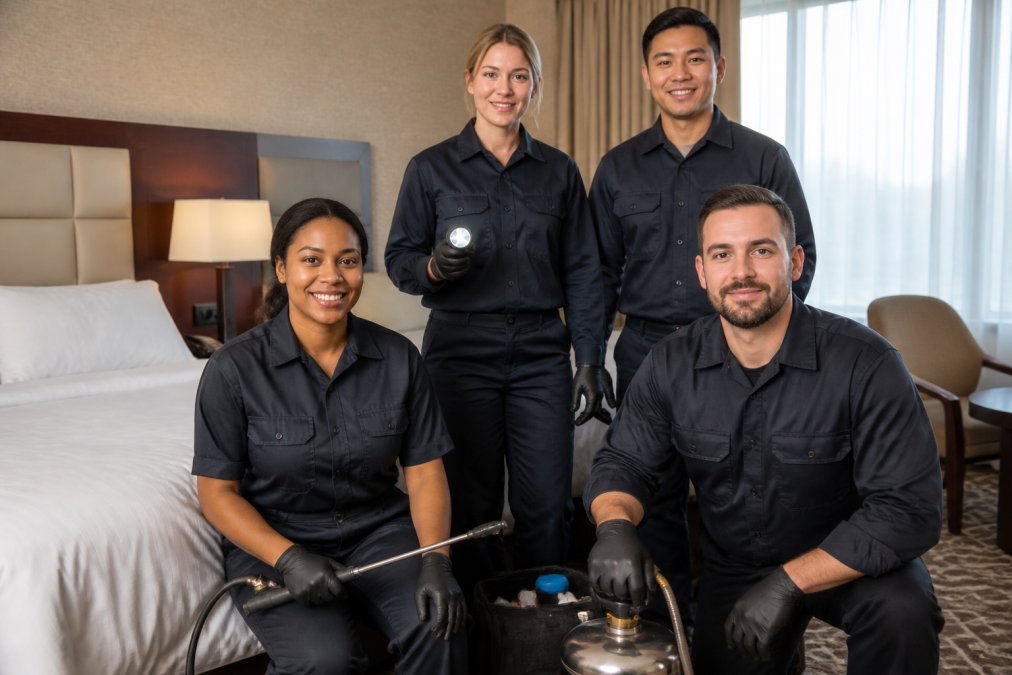
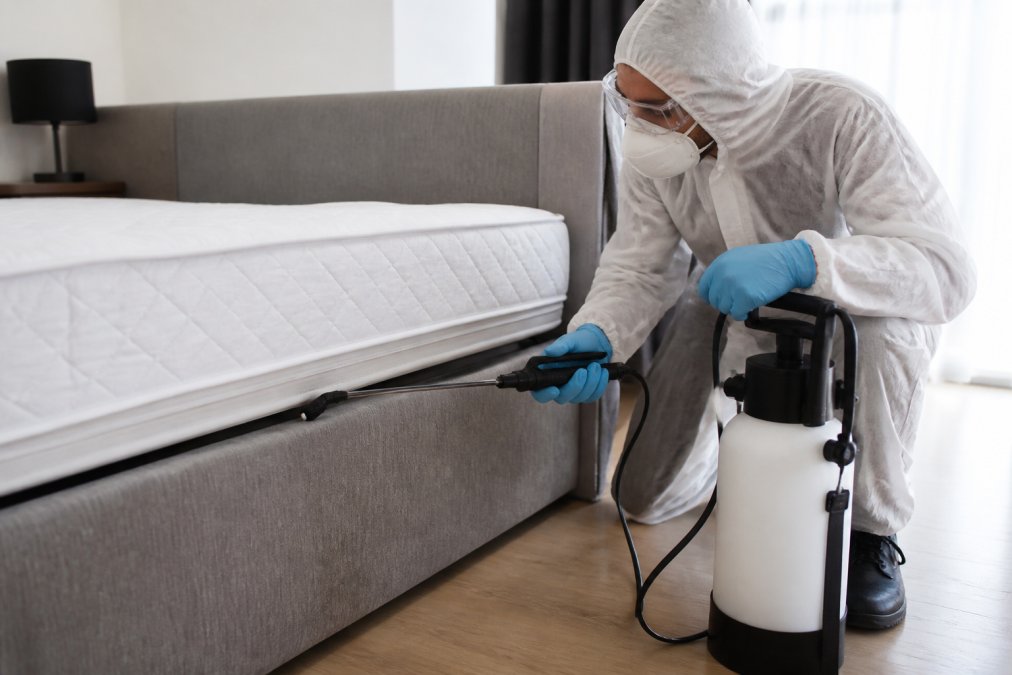
 listicle
Best Bed Bug Exterminator: Choose the Right Service
Table of Contents
- How to Identify a Bed Bug Infestation
- What to Look for in a Bed Bug Exterminator
- Professional Bed Bug Heat Treatment Explained
- How to Prepare for Bed Bug Treatment
- Understanding Bed Bug Extermination Cost
- What to Expect During an Inspection and Treatment
- Post-Treatment Monitoring and Prevention
- Conclusion
Last Updated: August 25, 2026
How to Identify a Bed Bug Infestation
Bed bugs are small, reddish-brown insects about the size of an apple seed that feed on human blood. They're nocturnal and hide in crevices during the day, which makes early detection challenging. The first sign most people notice isn't the insects themselves, it's the bites.
Bed bug bites appear as clusters of red, itchy welts on exposed skin, typically on the arms, legs, neck, and face. The pattern often follows a line or grouped arrangement, distinguishing them from other insect bites. However, not everyone reacts to bites visibly, so relying solely on skin reactions can miss an active infestation.
Look for these physical signs of bed bug activity:
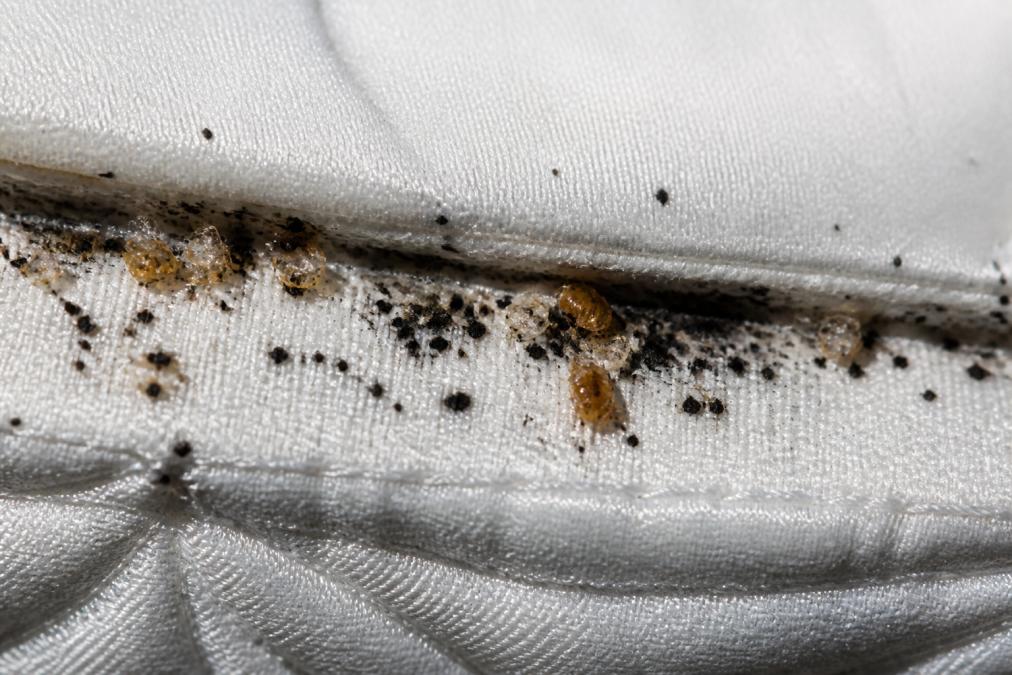
- Small dark spots or stains on mattresses, sheets, or pillowcases (bed bug feces)
- A sweet, musty odor in heavily infested areas
- Shed exoskeletons or molted skin near hiding spots
- Live insects in mattress seams, headboards, box springs, or furniture crevices
- Rust-colored smears on bedding from crushed bugs
The most common hiding places include mattress seams, bed frames, headboards, nightstands, and electrical outlets. In severe infestations, they spread to baseboards, wall cracks, and behind picture frames. Inspect these areas carefully with a flashlight during daylight hours when bed bugs are less active.
Many people mistake bed bug infestations for cleanliness issues, which causes unnecessary shame and delays treatment. Bed bugs don't discriminate, they thrive in spotless homes and five-star hotels alike. If you've noticed bites or found evidence of bed bugs, the next step is contacting a professional bed bug exterminator rather than attempting DIY solutions that often fail.
What to Look for in a Bed Bug Exterminator
Choosing the right bed bug exterminator is critical because the wrong choice wastes money and leaves the infestation unresolved. The best bed bug exterminator combines technical expertise, transparent practices, and accountability. Here's what separates professionals from amateurs.
Licensing, Bonding, and Insurance
A legitimate bed bug exterminator must hold a valid pest control license issued by the provincial regulatory body. In most provinces, this requires passing exams on pesticide safety, application methods, and integrated pest management principles. Verify the technician's license through the provincial pest control regulatory authority before booking.
Bonding and insurance protect you if something goes wrong. Bonding ensures the company compensates you for damage caused during treatment. General liability insurance covers accidents or injuries on your property. Ask for proof of both before signing any contract.
Insurance requirements vary by province, but reputable companies carry coverage as standard practice. A bed bug exterminator unwilling to provide proof of licensing and insurance is a red flag.
Treatment Methods and Technology
The best bed bug exterminator offers multiple treatment options because different situations call for different approaches. Heat treatment, chemical application, and emerging technologies like Aprehend or Cryonite each have specific advantages.
Heat treatment raises the temperature in your home or unit to 50-55°C, which kills bed bugs at all life stages (the CDC). This method is effective but requires temporary evacuation and can damage heat-sensitive items. Chemical treatments use Health Canada-approved pesticides applied strategically to hiding spots. This approach is faster and cheaper but requires multiple visits to break the lifecycle.
Aprehend is a biopesticide that uses a fungal spore to infect and kill bed bugs over several days. Cryonite uses pressurized CO2 to freeze bed bugs instantly. These newer technologies work well for targeted treatments but aren't suitable for whole-home eradication in all cases.
The best bed bug exterminator assesses your situation and recommends the most effective method for your specific infestation, not just the most profitable one.
Guarantees and Follow-Up Services
A professional bed bug exterminator stands behind their work with a written guarantee. This typically covers re-treatment if bed bugs return within a specified period, usually 30 to 90 days. The guarantee should specify what's covered, how many follow-up visits are included, and what actions void the guarantee.
Follow-up inspections are essential because bed bugs can survive initial treatment if hiding spots are missed. Quality exterminators schedule 2-3 follow-up visits at strategic intervals to monitor for survivors and treat as needed. Some companies include monitoring visits; others charge for them separately.
Ask about the guarantee terms in writing before committing. A bed bug exterminator who refuses to guarantee their work or offers only a brief 14-day window is taking on minimal accountability.
Professional Bed Bug Heat Treatment Explained
Heat treatment is one of the most effective methods for eliminating bed bugs because it kills all life stages, eggs, nymphs, and adults, in a single application. Unlike chemical treatments that require multiple visits, heat treatment often resolves the infestation in one day.
The process works by raising indoor temperatures to 50-55°C throughout the entire space. Bed bugs cannot survive above 46°C, so reaching and maintaining 50-55°C for several hours ensures complete eradication (peer-reviewed research). Professional technicians use specialized equipment to heat the space evenly, monitoring temperatures in multiple locations to guarantee lethal exposure.
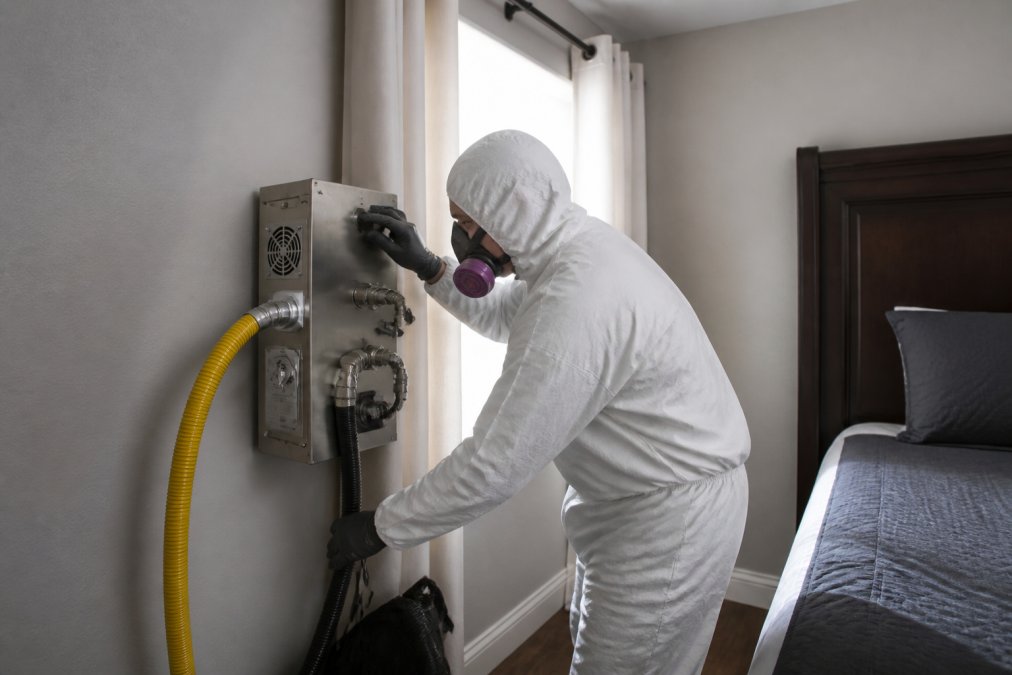
Heat treatment requires preparation. You must remove heat-sensitive items like electronics, certain plastics, and medications. The technician seals off areas that shouldn't be heated and places temperature sensors throughout the property. The entire process typically takes 4-8 hours, and you cannot return until the space has cooled and been cleared for re-entry.
The main advantage of heat treatment is speed and thoroughness. One application eliminates the infestation without requiring multiple pesticide applications. The drawback is cost, heat treatment is more expensive than chemical treatments, and the logistical challenge of vacating your home for a full day.
Many property managers and hotel operators prefer heat treatment because it minimizes ongoing disruption and eliminates the need for tenants or guests to cooperate with multiple chemical applications.
How to Prepare for Bed Bug Treatment
Proper preparation dramatically improves treatment effectiveness and ensures your safety. The specific preparation steps depend on the treatment method, but certain practices apply universally.
Clear clutter from floors, closets, and under beds. Bed bugs hide in dense areas, and clutter provides additional hiding spots that treatment may miss. Remove items from under the bed entirely if possible, or stack them in the center of the room away from walls.
Wash all bedding, clothing, and soft furnishings in hot water and dry on high heat. This kills bed bugs and eggs on fabric items. Bag clean items in sealed plastic to keep them bed-bug-free until treatment is complete.
Vacuum thoroughly, paying special attention to baseboards, under furniture, and mattress edges. Vacuuming removes some bed bugs and debris, though it won't eliminate the infestation alone. Empty the vacuum into a sealed bag immediately after use.
If using chemical treatment, move furniture away from walls to allow technician access. If using heat treatment, remove all heat-sensitive items and follow the technician's specific instructions for preparation.
Inform the bed bug exterminator about any health concerns, allergies, or medications that might affect your ability to tolerate pesticide exposure or heat. Pregnant women, young children, and people with respiratory conditions need special consideration.
Ask the technician for a detailed preparation checklist specific to your treatment method. Following it precisely maximizes the likelihood of successful eradication.
Understanding Bed Bug Extermination Cost
The cost of professional bed bug extermination varies significantly based on infestation severity, property size, treatment method, and your location. Understanding the factors that drive pricing helps you evaluate quotes fairly.
Factors That Affect Pricing
Infestation severity is the primary cost driver. A single-room infestation detected early costs far less than an infestation that has spread throughout a multi-unit building. Severe infestations require more intensive treatment and multiple follow-up visits, increasing total cost.
Property size matters because larger spaces require more treatment materials and longer application time. A studio apartment costs less to treat than a three-bedroom house or a multi-unit building.
Treatment method selection influences cost. Chemical treatments are typically the least expensive option. Heat treatment costs more due to specialized equipment and the need for temporary evacuation. Emerging technologies like Aprehend or Cryonite fall in the middle range.
Your location affects pricing. Rural areas may have fewer available exterminators, potentially increasing costs. Urban areas with more competition sometimes offer lower pricing, though this varies.
Whether the property is residential, commercial, or hospitality also affects cost. Hotels and short-term rentals may require faster turnaround or more discreet treatment, which increases fees.
DIY vs. Professional Treatment
Many people attempt DIY bed bug treatment to save money, but this approach often fails and ultimately costs more. Over-the-counter pesticides are less effective than professional-grade products because they're formulated with lower active ingredient concentrations. DIY treatments also fail because they don't address all hiding spots or account for the bed bug lifecycle.
A common pattern is spending money on multiple DIY attempts, sprays, powders, traps, heat machines, before finally calling a professional. By that point, the infestation has often spread, requiring more intensive professional treatment than would have been necessary with early professional intervention.
Professional exterminators have access to products not available to consumers, apply them strategically based on infestation patterns, and provide guarantees. They also identify the source of the infestation and prevent re-infestation through follow-up monitoring.
For most situations, professional treatment is more cost-effective than multiple failed DIY attempts.
What to Expect During an Inspection and Treatment
Understanding the inspection and treatment process reduces anxiety and helps you prepare mentally and logistically. Most professional bed bug exterminators follow a structured approach.
The inspection begins with a thorough walkthrough of your property. The technician examines bedrooms, living areas, bathrooms, and any other spaces where bed bugs might hide. They use a flashlight and magnifying glass to inspect mattress seams, furniture joints, baseboards, and wall cracks. This inspection typically takes 30-60 minutes depending on property size.
During the inspection, the technician identifies the infestation severity, determines the best treatment method, and provides a detailed quote. They explain what to expect during treatment, what preparation you need to complete, and what the guarantee covers.
If you proceed with treatment, the technician returns on the scheduled date. For chemical treatment, they apply pesticides to identified hiding spots and areas where bed bugs travel. This process takes 1-3 hours depending on property size. You typically must leave the property for 2-4 hours after treatment to allow pesticides to dry and off-gas.
For heat treatment, the process is more involved. The technician sets up equipment, seals the space, and monitors temperature throughout the property. The heating phase lasts 4-8 hours, and you cannot return until temperatures have normalized and the space has been cleared for re-entry.
After treatment, the technician provides written instructions on what to do next. This typically includes information about when you can return, how to monitor for survivors, and when follow-up inspections are scheduled.
Post-Treatment Monitoring and Prevention
The period immediately after treatment is critical for confirming eradication and preventing re-infestation. Most professional bed bug exterminators schedule follow-up inspections at 7-14 days after initial treatment and again at 30 days. These visits confirm that bed bugs are gone and address any survivors.
During follow-up visits, the technician inspects the same areas checked during the initial inspection. If live bed bugs or fresh evidence of activity appears, additional treatment is provided at no cost under most guarantees.
Prevention after treatment focuses on early detection and reducing risk factors. Use a mattress encasement that traps any surviving bed bugs inside and prevents new infestations. Inspect your mattress monthly for signs of bed bug activity. Reduce clutter, which provides hiding spots. When traveling, inspect hotel rooms before settling in, and keep luggage away from beds.
If you travel frequently or live in a multi-unit building, ongoing vigilance is important. Bed bugs can hitchhike in luggage or travel between units through walls and shared spaces. Regular inspections catch new infestations early, when they're easiest and cheapest to treat.
Many property managers implement quarterly or semi-annual inspections in multi-unit buildings to catch infestations before they spread. This proactive approach is far more cost-effective than responding to widespread infestations.
Conclusion
Finding the right bed bug exterminator requires understanding what separates professional, effective treatment from ineffective DIY attempts or unreliable services. The best bed bug exterminator combines proper licensing and insurance, multiple treatment options, and written guarantees backed by follow-up monitoring.
Meridian Bed Bug Treatment specializes in comprehensive bed bug eradication for homes, condos, apartments, hotels, and short-term rentals across Vancouver and the Lower Mainland. Our team provides thorough inspections, multiple treatment methods tailored to your specific situation, and guaranteed results with post-treatment monitoring to ensure your space remains bed-bug-free. Contact Meridian Bed Bug Treatment today for a professional assessment and effective solution to your bed bug infestation.
=== FAQ ANSWERS (audit these too, same rules) ===
[1] Q: How much does it cost to get a bed bug exterminator? A: Bed bug extermination cost varies based on infestation severity, property size, and treatment method. Heat treatment typically costs more than chemical treatments but requires fewer follow-up visits. Most exterminators provide free quotes after inspection. Contact Meridian Bed Bug Treatment for current pricing and transparent cost breakdowns before committing to service.
[2] Q: What should I look for when hiring a pest control company for bed bugs? A: Choose a licensed exterminator with proof of bonding and insurance. Verify they offer multiple treatment methods (heat, chemical, or specialized biopesticides like Aprehend). Check for customer guarantees, and clear communication about preparation steps. Ask about post-treatment monitoring and whether they provide follow-up inspections to confirm eradication.
[3] Q: How do professional exterminators treat bed bugs? A: Licensed exterminators use several methods: heat treatment raises room temperature to 50-55°C to kill all life stages; chemical treatments target hiding spots with approved pesticides; Aprehend and Cryonite offer chemical-free alternatives. Many professionals combine methods for faster results. Thorough inspection identifies all hiding spots, mattress seams, headboards, electrical outlets, ensuring complete eradication and preventing re-infestation.
[4] Q: Is hiring a professional exterminator worth it for bed bugs? A: Professional extermination is worth the investment after failed DIY attempts. Licensed exterminators have access to effective treatment technologies, expertise in detecting hidden infestations, and guarantees against re-infestation. DIY treatments often fail because they miss hiding spots or use ineffective products. Professionals reduce the risk of spread to other units and save time, stress, and repeated costs from unsuccessful treatments.
Frequently Asked Questions
Q: How much does it cost to get a bed bug exterminator?
A: Bed bug extermination cost varies based on infestation severity, property size, and treatment method. Heat treatment typically costs more than chemical treatments but requires fewer follow-up visits. Most exterminators provide free quotes after inspection. Contact Meridian Bed Bug Treatment for current pricing and transparent cost breakdowns before committing to service.
Q: What should I look for when hiring a pest control company for bed bugs?
A: Choose a licensed exterminator with proof of bonding and insurance. Verify they offer multiple treatment methods (heat, chemical, or specialized biopesticides like Aprehend). Check for customer guarantees, and clear communication about preparation steps. Ask about post-treatment monitoring and whether they provide follow-up inspections to confirm eradication.
Q: How do professional exterminators treat bed bugs?
A: Licensed exterminators use several methods: heat treatment raises room temperature to 50-55°C to kill all life stages; chemical treatments target hiding spots with approved pesticides; Aprehend and Cryonite offer chemical-free alternatives. Many professionals combine methods for faster results. Thorough inspection identifies all hiding spots, mattress seams, headboards, electrical outlets, ensuring complete eradication and preventing re-infestation.
Q: Is hiring a professional exterminator worth it for bed bugs?
A: Professional extermination is worth the investment after failed DIY attempts. Licensed exterminators have access to effective treatment technologies, expertise in detecting hidden infestations, and guarantees against re-infestation. DIY treatments often fail because they miss hiding spots or use ineffective products. Professionals reduce the risk of spread to other units and save time, stress, and repeated costs from unsuccessful treatments.
This article was written using GrandRanker