 comparison
Bed Bug Management: Property Managers vs. Residents
Table of Contents
- Professional Bed Bug Management for Property Managers
- Resident-Focused Bed Bug Elimination Strategies
- Heat Treatment vs. Chemical Application for Resistant Pests
- Landlord and Tenant Responsibilities for Bed Bugs
- Professional Treatment vs. DIY Limitations
- Post-Treatment Verification and Long-Term Prevention
- Frequently Asked Questions
Last Updated: October 2, 2026
Professional Bed Bug Management for Property Managers
Bed bug management for multi-unit housing requires a fundamentally different approach than single-family homes. Property managers face a unique challenge: infestations spread quickly across units, residents often hide problems until they're severe, and the liability stakes are high.
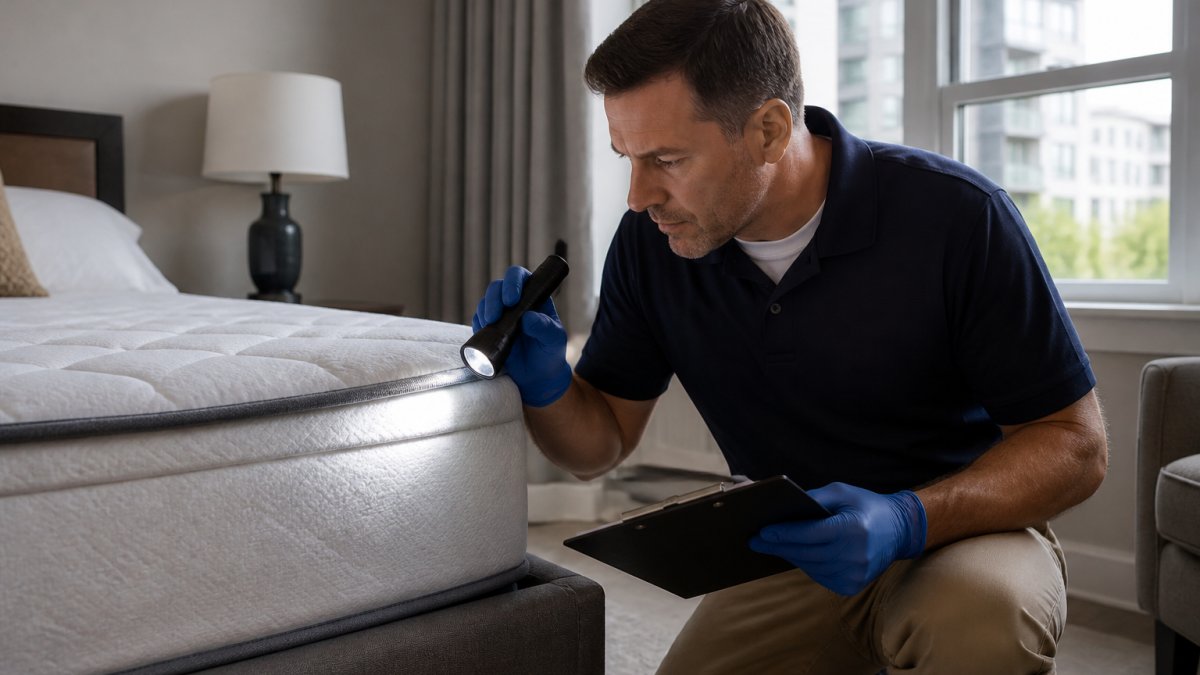
The first step is establishing a detection protocol. Many property managers rely solely on tenant complaints, which means infestations go undetected for weeks or months. A proactive monitoring system catches problems early. Canine bed bug inspection services use trained detection dogs to identify live bed bugs and viable eggs in their earliest stages, often before residents notice bites. This non-invasive approach works well for occupied rental units where traditional visual inspections might miss hidden populations. The accuracy of canine detection significantly reduces the need for widespread, unnecessary chemical applications across the entire building.
Integrated pest management for multi-unit housing combines detection, documentation, and targeted intervention.
Detection and Identification in Multi-Unit Housing
Identifying a bed bug infestation early is critical for property managers. Live bed bugs are small, flat, brown insects about the size of an apple seed. They hide in mattress seams, box spring crevices, bed frames, and furniture joints.
A routine inspection protocol should include checking mattresses, box springs, headboards, and upholstered furniture. Look for small dark spots (fecal matter), shed exoskeletons, or the insects themselves. In multi-unit buildings, inspect units adjacent to reported infestations, not just the reported unit. Bed bugs travel through walls, electrical outlets, and shared ventilation systems.
Integrated Pest Management for Multi-Unit Housing
Integrated pest management for multi-unit housing prioritizes prevention and targeted treatment over blanket applications.
Bed bug interceptors, passive monitoring devices placed under furniture legs, provide objective data on infestation severity. They capture bed bugs attempting to climb onto beds and act as physical barriers.
Sanitation in multi-unit housing means removing clutter where bed bugs hide, sealing cracks in walls and baseboards, and reducing the number of harborage sites available. This alone won't eliminate bed bugs, but it makes treatments more effective and reduces re-infestation risk.
Resident-Focused Bed Bug Elimination Strategies
Residents dealing with bed bugs often feel embarrassed and isolated. Many try DIY treatments first, sprays from hardware stores, heat treatments with space heaters, or washing everything in hot water. These approaches rarely work because bed bugs hide in places residents can't reach and develop resistance to common pesticides. Professional intervention becomes necessary when DIY efforts fail.
Tenant Preparation Checklist for Bed Bug Extermination
Before professional treatment arrives, residents must prepare their space properly. This preparation step is critical; it determines whether treatment succeeds or fails.
Residents must disclose the full extent of the infestation to the treatment professional. Hiding affected rooms or downplaying the problem leads to incomplete treatment and recurring infestations.
After preparation, residents should leave the unit during treatment and remain away for the time specified by the pest control professional. Returning too early exposes residents to treatment chemicals and can disrupt the elimination process. Most treatments require 24-48 hours before the unit is safe to re-enter.
Monitoring and Routine Inspection After Treatment
Post-treatment verification is where many residents fail. They assume one treatment eliminates all bed bugs, stop monitoring, and miss early re-emergence.
Residents should inspect mattresses, box springs, and furniture weekly for four weeks post-treatment. Look for live bed bugs, fecal spots, or shed exoskeletons.
Mattress and box spring encasements provide long-term protection after treatment. These physical barriers trap any surviving bed bugs inside the mattress and prevent new bed bugs from nesting in deep crevices.
Heat Treatment vs. Chemical Application for Resistant Pests
Bed bugs have developed resistance to many common pesticides over the past two decades. This resistance varies by region and by individual population, which means a treatment method that works in one building may fail in another.
Heat treatment kills bed bugs at all life stages by raising room temperature to 49-52°C (120-125°F) for 90 minutes or longer. Bed bugs cannot survive at these temperatures. Heat penetrates into walls, furniture, and other harborage sites where chemicals may not reach. For resistant pest elimination, heat treatment often succeeds where chemical applications fail. The downside is cost and logistics; heat treatment requires specialized equipment, professional application, and residents to vacate the unit during treatment.
Chemical application remains the standard approach for many infestations. Modern pesticides target bed bug nervous systems through different mechanisms than older products, which can help overcome some resistance.
The choice between heat and chemical treatment depends on the severity of infestation, the presence of resistant populations, budget constraints, and tenant tolerance for disruption.
Landlord and Tenant Responsibilities for Bed Bugs
The legal framework around bed bug management varies by province, but most jurisdictions place primary responsibility on landlords to maintain habitable living conditions. Bed bug infestations can render a rental unit uninhabitable, which creates legal liability for property owners.
Legal Obligations and Lease Agreement Clauses
Landlords have a legal duty to provide rental units free from pest infestations. In most provinces, this obligation falls under the implied warranty of habitability.
Lease agreements should include clear clauses addressing pest management responsibilities. A well-drafted clause specifies that the landlord will arrange and pay for professional treatment, that tenants must cooperate with preparation and access requirements, and that tenants must report infestations promptly.
Property managers should document all treatment attempts, costs, and outcomes. This documentation protects the landlord if disputes arise and provides evidence of good-faith efforts to resolve the infestation.
Tenant Communication and Education Protocols
Clear, respectful communication prevents panic and encourages early reporting. When a tenant reports bed bugs, the property manager should acknowledge the concern immediately, schedule an inspection within 24-48 hours, and explain the next steps.
Education protocols should explain what bed bugs are, how they spread, what residents can do to prepare for treatment, and what to expect during and after professional intervention.
Property managers should also educate residents about the importance of reporting infestations early. A single occupied unit with bed bugs can infest adjacent units within weeks if left untreated.
Professional Treatment vs. DIY Limitations
DIY bed bug treatments fail for several reasons. Over-the-counter pesticides are less effective than professional-grade products because manufacturers formulate consumer products for safety rather than efficacy. Bed bugs have also developed resistance to many common active ingredients, which means even professional-grade chemicals don't always work on resistant populations.
DIY treatments also fail because residents miss harborage sites. Bed bugs hide in places most people don't think to treat, inside electrical outlets, behind baseboards, inside wall voids, and in furniture joints.
Heat treatment requires specialized equipment that residents cannot replicate with space heaters or hair dryers. Professional heat treatment uses industrial heaters and monitoring equipment to ensure entire rooms reach lethal temperatures consistently.
Professional pest control specialists understand resistant pest populations and adjust treatment strategies accordingly.
Post-Treatment Verification and Long-Term Prevention
One treatment is rarely sufficient for complete bed bug elimination. Most professional services include follow-up visits 7-14 days after the initial treatment to verify that bed bugs were eliminated and to treat any survivors that may have emerged from eggs. Residents and property managers should inquire about follow-up visits as part of the service.
Post-treatment verification involves re-inspecting the unit, looking for live bed bugs or signs of activity. If bed bugs are found during the follow-up visit, the professional should treat again.
Long-term prevention involves maintaining sanitation standards, reducing clutter and harborage sites, and monitoring for early signs of re-infestation.
For multi-unit buildings, prevention also means educating all residents about bed bug awareness, establishing clear reporting protocols, and conducting routine inspections of common areas.
Bed bug infestations create stress for residents and liability for property managers, but professional intervention combined with clear communication and post-treatment monitoring brings reliable results.
Frequently Asked Questions
What is the most effective professional method for eliminating resistant bed bugs?
Heat treatment and integrated pest management combine high success rates for resistant bed bug populations. Heat treatment raises indoor temperatures to 48-50°C, killing all life stages within hours. Chemical applications alone often fail against resistant strains. Professional pest management combines detection, sanitation improvements, targeted chemical application, and post-treatment monitoring. Meridian Bed Bug Treatment uses specialized approaches tailored to your property type and infestation severity. Contact us for a customized elimination plan.
What are the legal responsibilities of landlords regarding bed bug infestations?
Landlords must maintain rental units in habitable condition, which includes addressing pest infestations promptly. Property managers bear responsibility for arranging professional treatment and communicating timelines to residents. Tenants must report infestations immediately and cooperate with treatment protocols. In multi-unit buildings, landlord-tenant responsibilities for bed bugs require coordinated action: landlords fund treatment, while tenants prepare units and allow access. Document all communications and treatment dates for liability protection.
How should property managers coordinate with residents during a bed bug treatment?
Clear communication prevents panic and ensures treatment success. Notify residents 7-10 days before treatment with written details: treatment date, preparation requirements, and duration of access needed. Explain that bed bugs do not indicate poor housekeeping. Provide a tenant preparation checklist specifying what items to bag, which furniture to move, and where residents should stay during heat or chemical application. Schedule follow-up inspections and explain monitoring expectations. This transparency builds cooperation and reduces resident anxiety about the infestation becoming known.
Why are some bed bug populations resistant to standard chemical treatments?
Bed bugs develop resistance through repeated exposure to the same pesticide classes. Overuse of pyrethroids and neonicotinoids has created resistant populations, especially in multi-residential buildings where treatment cycles repeat. Resistant pests survive applications that would eliminate susceptible colonies. Detection through canine inspection or interceptor traps confirms resistance early. Professional pest management professionals rotate chemical classes and combine methods, heat, sanitation, and mechanical removal, to overcome resistance. This multi-method approach, called integrated pest management, is essential for stubborn infestations.
Are residents required to pay for bed bug extermination in rental units?
In most rental agreements, landlords bear the cost of bed bug treatment as part of maintaining habitable premises. Residents are responsible for preparing units and allowing professional access. However, lease agreements may specify cost-sharing if the infestation resulted from resident negligence or failure to report early. Check your local tenancy laws and lease clauses. Property managers should clarify financial responsibility upfront to avoid disputes. Meridian Bed Bug Treatment works with landlords to establish service terms.