 how-to
How to Choose an Affordable Bed Bug Exterminator
Table of Contents
- How to Identify a Reputable Bed Bug Exterminator
- Understanding Bed Bug Extermination Cost Estimates
- Key Questions to Ask Pest Control Companies
- How to Prepare for Bed Bug Treatment
- Comparing Treatment Methods and Value
- Financial Assistance and Affordable Options
- Red Flags That Signal an Unreliable Exterminator
- Frequently Asked Questions
Last Updated: September 27, 2026
How to Identify a Reputable Bed Bug Exterminator
An affordable bed bug exterminator delivers results at a fair price without hidden fees or unnecessary upselling. Start by verifying credentials and licensing.
Check licensing and certification requirements
Confirm that any pest control operator holds valid licensing and liability insurance. Ask for their license number and verify it directly with your provincial pesticide regulator.
When requesting a quote, ask about their specific certifications in bed bug treatment. Some operators specialize in heat treatment, others in chemical application, knowing their expertise helps you assess fit.
Verify insurance and liability coverage
Ask for proof of liability insurance (at least $1 million) before signing any contract. If treatment damages your property or causes injury, you're protected. Never choose the cheapest option if they can't provide insurance documentation.
Understanding Bed Bug Extermination Cost Estimates
Cost estimates vary widely depending on infestation level, treatment method, and space size. Understanding pricing drivers helps you spot fair quotes from inflated ones.
What factors drive pricing differences
Infestation level directly impacts labor and materials. A professional inspection (typically $100-$300) is essential for accurate pricing.
Chemical treatment is generally less expensive than heat treatment, which requires specialized equipment. Space size, accessibility, and clutter levels also affect cost.
Request itemized estimates from at least three companies to compare what's included in each price.
Spotting hidden costs in service contracts
Read every service contract carefully. Common hidden costs include follow-up visits, pre-treatment labor, monitoring devices, and additional treatments if the first application doesn't fully resolve the infestation.
The best contracts include a service guarantee specifying the number of follow-up visits and what happens if bed bugs reappear. Ask whether the guarantee covers re-infestation from external sources or only if treatment was ineffective.
Avoid vague language like "treatment as needed" or "additional services at standard rates." Insist on a fixed price for the full treatment plan, including all scheduled follow-up visits.
Key Questions to Ask Pest Control Companies
Before hiring anyone, ask these specific questions to assess their competence and reliability.
Treatment approach and efficacy
Ask the operator to explain their treatment approach and timeline. Request information about specific products: Are they EPA-registered? What's the active ingredient, and is it safe for homes with children or pets?
Ask about integrated pest management practices. The best operators combine chemical or heat treatment with physical control measures like mattress encasements and interceptor cups.
Guarantees and follow-up visits
A service guarantee shows the operator stands behind their work. Ask what happens if you still see bed bugs after treatment. Do they return at no charge? For how long is the guarantee valid, 30 days, 90 days, one year?
Find out how many follow-up visits are included and when they're scheduled. Most infestations require at least two visits, one for initial treatment and one or more for monitoring and additional application if needed. Some operators schedule follow-ups at 7-14 day intervals, which aligns with bed bug life cycles. Others space them further apart, which may not be frequent enough for complete eradication.
Ask whether they'll provide monitoring devices like interceptor cups between visits so you can track whether bed bugs are still present. This gives you objective data rather than relying solely on visual inspection.
How to Prepare for Bed Bug Treatment
Proper preparation directly impacts treatment efficacy. Your pest control operator will provide specific instructions, but here's what typically needs to happen.
Pre-treatment sanitation and clutter reduction
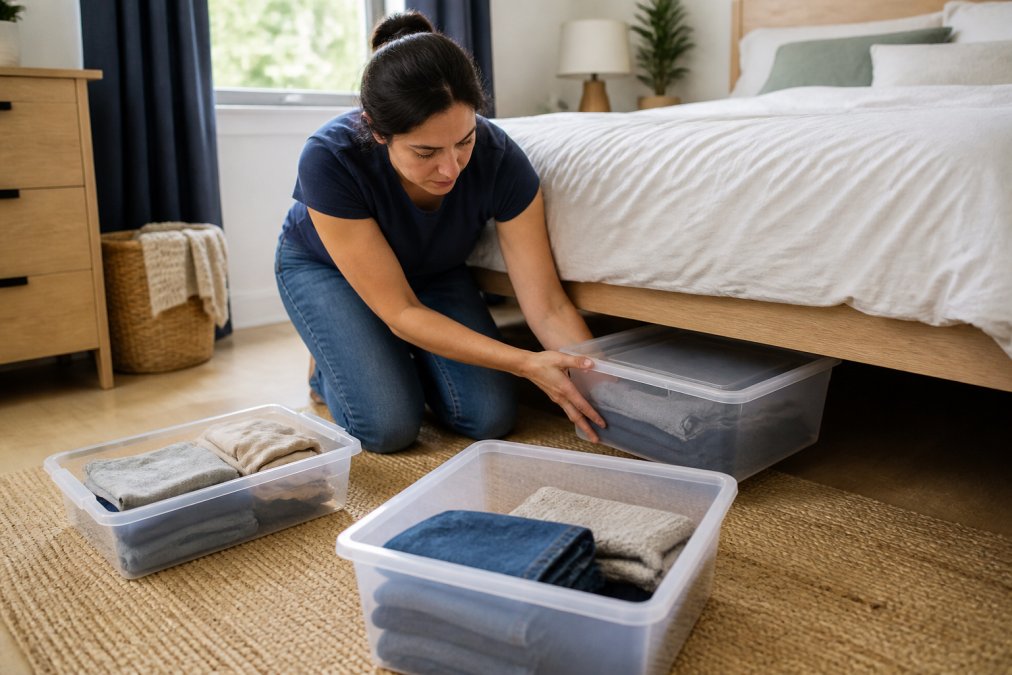
Remove as much clutter as possible from the infested areas. Bed bugs hide in piles of clothing, stacks of papers, and under furniture. Clear out drawers, closets, and under-bed storage. Bag items you're removing and seal them, this prevents bed bugs from spreading to other areas of your home.
Wash all bedding, pillows, and blankets in hot water and dry on high heat. This kills bed bugs at all life stages. Vacuum thoroughly, paying special attention to baseboards, mattress seams, and furniture crevices. Empty the vacuum immediately into a sealed bag and dispose of it outside.
Move furniture away from walls so the pest control operator can access all surfaces. If you have a bed frame, move the mattress and box spring away from the headboard. The operator needs clear access to treat all potential hiding spots.
Post-treatment maintenance checklist
After treatment, maintain vigilance to prevent re-infestation. Here's what to do:
- Avoid vacuuming for at least 7-10 days after chemical treatment (this allows residual pesticides to work)
- Continue using mattress encasements for at least one year to trap any surviving bed bugs
- Keep interceptor cups under bed and furniture legs throughout the monitoring period
- Inspect bedding weekly for signs of bed bugs
- Avoid bringing used furniture into your home without thorough inspection
- Seal cracks and crevices where bed bugs can hide
- Maintain clutter-free spaces to reduce hiding spots
Don't wash bedding again until your pest control operator confirms treatment is complete. Frequent washing can interfere with the effectiveness of residual pesticides.
Comparing Treatment Methods and Value
Different treatment approaches offer different advantages. Understanding the trade-offs helps you choose the method that makes sense for your situation and budget.
Chemical treatment vs heat treatment
Chemical treatment applies residual pesticides that remain active for weeks, killing bed bugs as they contact treated surfaces. It's generally less expensive and works well for localized infestations. The downside is that bed bugs are developing resistance to some chemicals, so multiple applications may be needed.
Heat treatment raises room temperature to lethal levels (typically 50°C or higher) for several hours, killing all life stages of bed bugs throughout the space. It's faster, often completed in one day, and doesn't rely on bed bug behavior or resistance. However, it requires specialized equipment and costs more than chemical treatment. Heat treatment is ideal for severe infestations or situations where you need rapid resolution, like short-term rental operators.
An affordable bed bug exterminator might recommend a hybrid approach: heat treatment for your bedroom combined with targeted chemical application in other areas. This balances cost and efficacy.
Physical control measures
Physical control methods work alongside chemical or heat treatment. Mattress and box spring encasements trap bed bugs inside (they die without feeding) and prevent new infestations. Interceptor cups placed under bed and furniture legs catch bed bugs trying to climb up at night.
Vacuuming removes bed bugs and eggs from surfaces, though it's not a complete solution on its own.
Financial Assistance and Affordable Options
Bed bug treatment is expensive, and cost is often the barrier preventing people from hiring professionals. If you cannot afford a private pest control operator, several pathways exist to access subsidized or free services.
Municipal and public health programs
- Free or subsidized bed bug inspections
- Referrals to licensed operators offering reduced rates for low-income residents
- Direct treatment services (some municipalities operate their own pest control programs)
- Information on whether the infestation qualifies you for emergency housing assistance if your unit is uninhabitable
Non-profit and community organizations
- Your local food bank or community centre (they often have resource lists)
- Tenant advocacy groups (they track which operators offer low-income rates)
- Homeless shelters or transitional housing programs (they often have established relationships with pest control providers)
Negotiating directly with pest control operators
- Sliding-scale pricing based on household income
- Payment plans (paying in installments rather than upfront)
- Reduced rates for chemical-only treatment (cheaper than heat treatment)
- Off-peak scheduling discounts (lower rates for appointments during slow seasons)
Rental property and multi-unit building assistance
- Volume discounts: Operators often reduce per-unit costs when treating multiple units in the same building. Get quotes for treating 3+ units together.
- Pest management contracts: Some operators offer annual contracts for multi-unit properties at a lower per-incident rate than one-off treatments.
- Insurance claims: Check your landlord or property management insurance policy; some cover pest control costs, particularly if the infestation poses a health risk.
DIY as a bridge, not a solution
- Contact your municipal health department about assistance programs
- Research operators offering payment plans
- Gather documentation of the infestation (photos, dates) to support an assistance application
- Connect with tenant advocacy groups if you rent
Red Flags That Signal an Unreliable Exterminator
Certain warning signs indicate you should look elsewhere. If a pest control operator guarantees complete eradication after a single visit, be skeptical. Bed bug treatment typically requires multiple visits over several weeks. Anyone promising otherwise isn't being realistic.
Frequently Asked Questions
What certifications should a professional pest control company have?
In most provinces, pest control operators must hold a valid license from the provincial regulatory body. Look for technicians certified in integrated pest management (IPM) and trained specifically in bed bug identification and treatment. Verify they carry liability insurance and ask for proof of professional training. Reputable pest control operators stay current with regulatory standards and can provide documentation of their credentials upon request.
How much does it cost to have pest control for bed bugs?
Bed bug extermination cost estimates vary based on infestation level, property size, treatment method chosen, and whether follow-up visits are included. Pricing depends on quantity of affected rooms, dates of service, and delivery scope. Chemical applications typically cost less upfront than heat treatment, but heat treatment may require fewer visits. Always request a detailed service estimate in writing that breaks down all costs and specifies what is included before committing.
What should I ask a pest control company before hiring them?
Ask about their treatment approach, whether they use integrated pest management, how many follow-up visits are included, and what their service guarantee covers. Request details on chemical application methods, residual pesticide safety, and post-treatment monitoring devices like interceptor cups. Ask how they handle re-infestation and what your responsibilities are for sanitation protocols and clutter reduction. Get everything in writing and clarify hidden costs upfront.
What should I do if I can't afford an exterminator for bed bugs?
Some municipalities offer financial assistance or subsidized pest control services for low-income households dealing with infestations. Contact your local health department to ask about available programs. Consider getting multiple service estimates to compare pricing. Some pest control operators offer payment plans or discounts for multi-unit buildings. In rental situations, landlords are typically responsible for professional treatment costs, not tenants.


