 comparison
Ant Control Alternatives to Ant Works: DIY vs Professional
Table of Contents
- Why Ant Works Alternatives Matter
- Gel Baits and Liquid Baiting Systems for Colony Elimination
- Non-Toxic and Plant-Based Ant Control Options
- Perimeter Defense: Outdoor Granular Baits and Preventative Maintenance
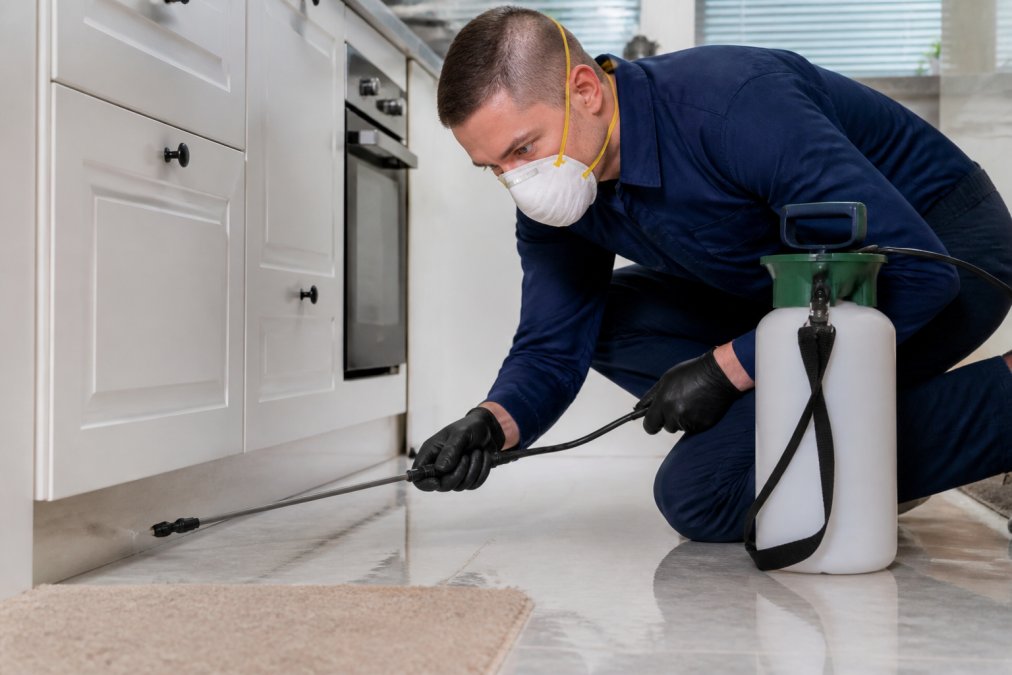
- DIY vs Professional Pest Control: When to Call an Exterminator
- Professional Ant Exterminator Cost and Service Considerations
- Best Carpenter Ant Killer and Species-Specific Solutions
- Frequently Asked Questions
Last Updated: September 18, 2026
Why Ant Works Alternatives Matter
When homeowners discover an ant infestation, many turn to Ant Works or similar commercial pest control brands. But there are viable ant control alternatives that range from DIY solutions to professional extermination services.
A small infestation of common household ants might respond well to gel baits or granular perimeter treatments. But carpenter ants, fire ants, or established colonies often require professional intervention. This guide covers the most effective ant works pest control alternatives and when calling an exterminator makes financial sense.
Gel Baits and Liquid Baiting Systems for Colony Elimination
Gel baits remain one of the most effective DIY alternatives to commercial services. These systems work through a simple mechanism: worker ants consume the bait and return to the nest, where they share the poison with the colony. Over several days, the entire colony collapses.
Terro Liquid Ant Baits are a popular choice for indoor infestations. Pre-filled stations are easy to place along ant trails; results appear within 48 hours, with full colony elimination in 5-7 days. The active ingredient allows worker ants to carry poison back to the nest before dying, which is crucial for colony-wide elimination.
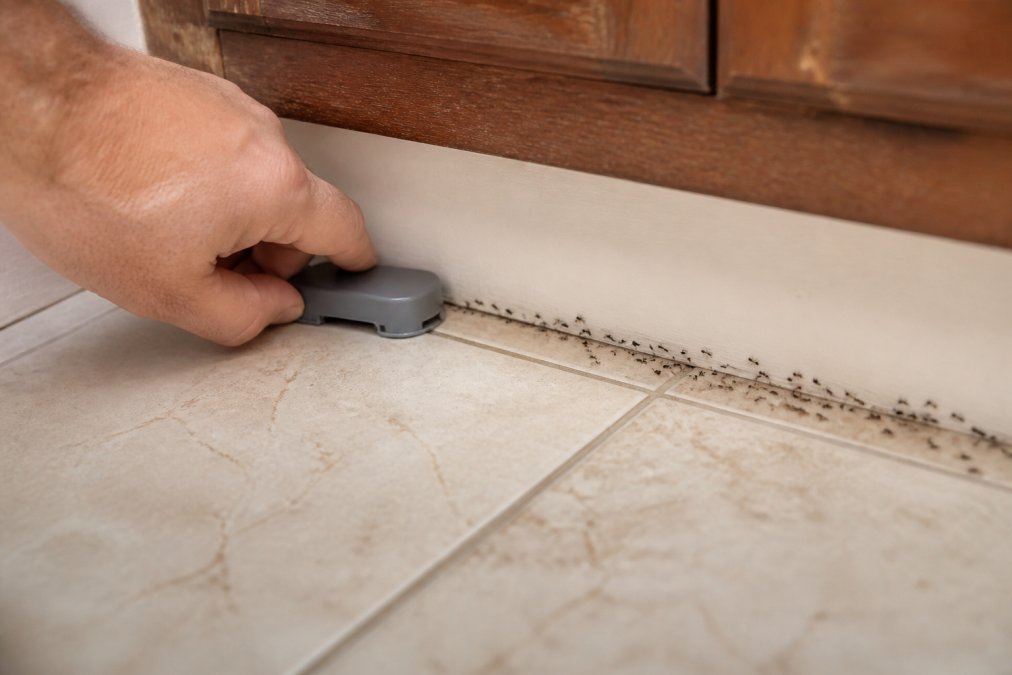
Advion Ant Gel is a professional-grade alternative using indoxacarb. It works faster than consumer-grade baits and attracts more ant species, but requires precise application of small drops along baseboards and wall voids rather than pre-filled stations.
Liquid baits work best for sugar-feeding ants, while gels handle both sweet-feeders and protein-feeders. If ants ignore your first bait type, switching to the other often succeeds.
| Bait Type | Setup Time | Results Timeline | Best For | Drawback |
|---|---|---|---|---|
| Terro Liquid | 5 minutes | 5-7 days | Indoor sugar ants | Takes time for full elimination |
| Advion Gel | 10-15 minutes | 3-5 days | Multiple ant species | Requires precise application |
Non-Toxic and Plant-Based Ant Control Options
Not every household wants synthetic insecticides, especially with pets or young children present. Plant-based and non-toxic alternatives exist, though they're generally slower and less reliable for large infestations.
Safer Brand Ant Killing Traps use natural ingredients and are safe around pets and children. However, they work best on small, early-stage infestations; established colonies with multiple entry points often resist plant-based solutions.
Essential oils repel ants but don't eliminate them. Diatomaceous earth damages exoskeletons only on direct contact and doesn't create lasting barriers. These approaches suit prevention more than active treatment.
Perimeter Defense: Outdoor Granular Baits and Preventative Maintenance
Stopping ants before they enter your home is far easier than eliminating them indoors. Outdoor perimeter treatments create a defensive barrier, but most homeowners apply them once rather than seasonally, leading to re-infestation during peak activity.
Granular Baits and Their Active Lifespan
Amdro Ant Block Home Perimeter Ant Killer is a granular bait applied around the foundation and entry points, targeting over 20 ant species. The active ingredient (hydramethylnon) degrades under UV exposure and rain. In ideal conditions, it lasts 3-6 months; in direct sunlight or frequent rainfall, effectiveness drops to 4-8 weeks.
Apply granular baits in a continuous 30 cm band around the home's perimeter, focusing on foundation cracks, gaps around utilities, weep holes, expansion joints, and areas where downspouts discharge near the foundation.
Maintain a 15 cm gap between baits and organic material (wood siding, mulch) to prevent premature activation and degradation.
Seasonal Maintenance Calendar for Year-Round Protection
Ants are most active during warm months, but the timing varies by region and ant species. A structured maintenance schedule prevents the re-infestation cycle that catches most homeowners off guard.
Spring (April-May): Apply or reapply granular baits in early April before ant activity peaks. Inspect the foundation for new cracks or gaps and seal openings larger than 3 mm. Trim tree branches touching the roof or siding, ants use these as entry routes.
Early Summer (June-July): Inspect perimeter baits for depletion. If trails are present but baits untouched, switch bait types (granules to gel or liquid). Reapply baits in areas receiving direct sunlight or heavy foot traffic. Ensure mulch, leaf litter, and wood piles are at least 1 metre from the foundation.
Mid to Late Summer (August-September): Reapply baits in areas that received heavy rain or direct sun. Inspect indoor entry points for new trails. If indoor ants persist despite perimeter baits, conduct a thorough exterior inspection to locate all entry points.
Fall (October-November): Apply a final perimeter treatment in early October. Seal gaps in foundation, siding, or trim. Remove leaf litter and dead wood piled against the house, ideal overwintering sites for colonies.
Winter (December-March): Do not reapply baits; cold reduces ant activity and baits degrade unused. Use this time for preventative maintenance: seal cracks, repair siding, and address moisture issues. If you discover carpenter ants indoors, call a professional immediately.
Environmental Factors That Degrade Perimeter Treatments
- UV exposure: South-facing baits degrade 50% faster than north-facing. Reapply every 4-6 weeks during summer.
- Heavy rain: Reapply after rainfall exceeding 25 mm.
- Foot traffic: Reapply high-traffic zones every 4-6 weeks.
- Temperature extremes: Baits work best between 15°C and 30°C.
Complementary Preventative Measures
- Seal entry points: Caulk cracks larger than 3 mm with silicone caulk for flexibility.
- Remove attractants: Keep pet food sealed indoors, clean food debris immediately, and store garbage in sealed containers.
- Manage vegetation: Trim tree branches 2 metres from the roof and keep grass short near the foundation.
- Address moisture: Repair leaking gutters and ensure downspouts discharge at least 1.5 metres from the foundation.
DIY vs Professional Pest Control: When to Call an Exterminator
The decision to hire a professional exterminator depends on several factors: infestation size, ant species, number of entry points, and your tolerance for ongoing treatment. Rather than guessing, use this severity-based framework to determine when DIY stops making financial and practical sense.
Infestation Severity Levels
Level 1 (Early-Stage, Isolated): Ants visible in one room for fewer than 7 days with no nesting signs. DIY is appropriate; a single gel or liquid bait ($15-$30) often resolves the problem in 5-7 days.
Level 2 (Moderate, Spreading): Ants in two or more rooms for 1-3 weeks or one failed DIY treatment. Consider a professional inspection ($100-$200) to identify the species and locate nesting sites, often cheaper than a third failed DIY attempt.
Level 3 (Severe, Established): Ants in three or more rooms for 3+ weeks or two failed DIY treatments. Professional treatment ($250-$500 for initial treatment plus follow-ups) includes species identification, nest location, targeted treatment, and a 30-90 day guarantee.
Cost-Benefit Breakeven
If you've spent more than $100 on DIY without success, a professional visit costs roughly the same but includes a guarantee.
Species-Specific Escalation Triggers
- Carpenter ants: Any confirmed sighting warrants professional assessment. They tunnel through wood and cause structural damage; a small presence today becomes a $5,000+ repair bill in 12 months if untreated.
- Fire ants: Multiple queens allow colonies to split when threatened, spreading the infestation during DIY treatment.
- Pharaoh ants: Split colonies under stress; broad-spectrum sprays make the problem worse.
Professional Ant Exterminator Cost and Service Considerations
Professional pricing varies by severity, home size, and location. Most services offer a 30-90 day guarantee; if ants return, they retreat at no charge. Ask about their approach (baiting, sprays, or combination), follow-up visits included, and response time. For multi-unit buildings, coordinated treatment across affected units prevents cross-contamination.
Best Carpenter Ant Killer and Species-Specific Solutions
Carpenter ants nest in wood and cause serious structural damage if left untreated. They're larger (10-13mm), typically black or reddish-black, and leave sawdust-like frass near nesting sites. Gel baits like Advion work better than liquid baits, but locating the main nest is crucial, baiting only kills foraging ants, not the queen. Professional exterminators use acoustic detection or moisture mapping to find hidden nests.
Frequently Asked Questions
What do professional exterminators use to get rid of ants?
Professional exterminators use integrated pest management strategies combining gel baits with active ingredients like indoxacarb or deltamethrin, perimeter treatments, and habitat modification. They identify ant species first, then apply targeted solutions based on infestation severity. Unlike DIY products, professionals access commercial-grade formulations and provide follow-up monitoring to ensure colony elimination and prevent reinfestation through pest exclusion techniques.
How do I choose between DIY ant control and professional services?
Start with DIY baiting systems if you have a minor, early-stage infestation and can identify the ant species. Use gel baits or liquid systems for quick knockdown and residual protection. Switch to professional services if DIY treatments fail after 2-3 weeks, the infestation covers multiple rooms, you have structural damage concerns, or you need discreet treatment. Professionals handle complex infestations faster and provide liability protection.
What is the best non-toxic pest control option for ant infestations?
Plant-based and essential oil traps offer non-toxic alternatives for households with pets and children. Safer Brand traps use chemical-free active ingredients and enclosed designs for safety around food preparation areas. For better results, combine non-toxic traps with sanitation practices like removing food sources and sealing entry points. However, non-toxic options may be less effective for large, established infestations compared to synthetic baits with residual protection.
What is the best carpenter ant killer available in Canada?
Carpenter ants require species-specific treatment because they cause structural damage by tunneling through wood. Professional-grade gel baits like Advion, combined with targeted crack-and-crevice application, work well for carpenter ant infestations. For best results, hire a professional exterminator who can locate nests, apply insecticide to wall voids, and monitor for activity. DIY treatments often miss satellite colonies, allowing reinfestation.