 comparison
Heat Treatment vs Chemical Spray for Bed Bugs
Table of Contents
- Heat Treatment vs Chemical Spray: Quick Comparison
- How Heat Treatment Works Against Bed Bugs
- How Chemical Spray Works Against Bed Bugs
- How to Prepare for Bed Bug Treatment
- Bed Bug Treatment Success Rates: What the Data Shows
- Bed Bug Heat Treatment Cost and Chemical Spray Pricing
- Safety, Toxicity, and Post-Treatment Monitoring
- Which Method Should You Choose?
- Frequently Asked Questions
Last Updated: September 23, 2026
Heat Treatment vs Chemical Spray: Quick Comparison
When bed bugs invade your home or rental property, you face a critical choice between heat treatment vs chemical spray. Heat treatment uses extreme temperatures to kill all life stages in a single day, while chemical spray applies residual insecticides over weeks. One is fast but expensive; the other is slower but cheaper. The right choice depends on your infestation severity, timeline, and budget. Below, we compare how each method works, their real-world success rates, and which scenario favors which treatment.
| Treatment Method | Speed | Cost Range | Best For | Key Limitation |
|---|---|---|---|---|
| Heat Treatment | 1 day | Higher upfront | Fast eradication, severe infestations | Requires extensive prep work |
| Chemical Spray | 2-3 weeks | Lower upfront | Budget-conscious, mild infestations | Multiple applications needed |
| Hybrid Approach | 1-2 weeks | Moderate | Stubborn infestations, long-term control | More complex execution |
How Heat Treatment Works Against Bed Bugs
Heat treatment eliminates all life stages of bed bugs, adults, nymphs, and eggs, by raising the temperature to 63°C (145°F) or higher, causing immediate mortality across the entire life cycle.
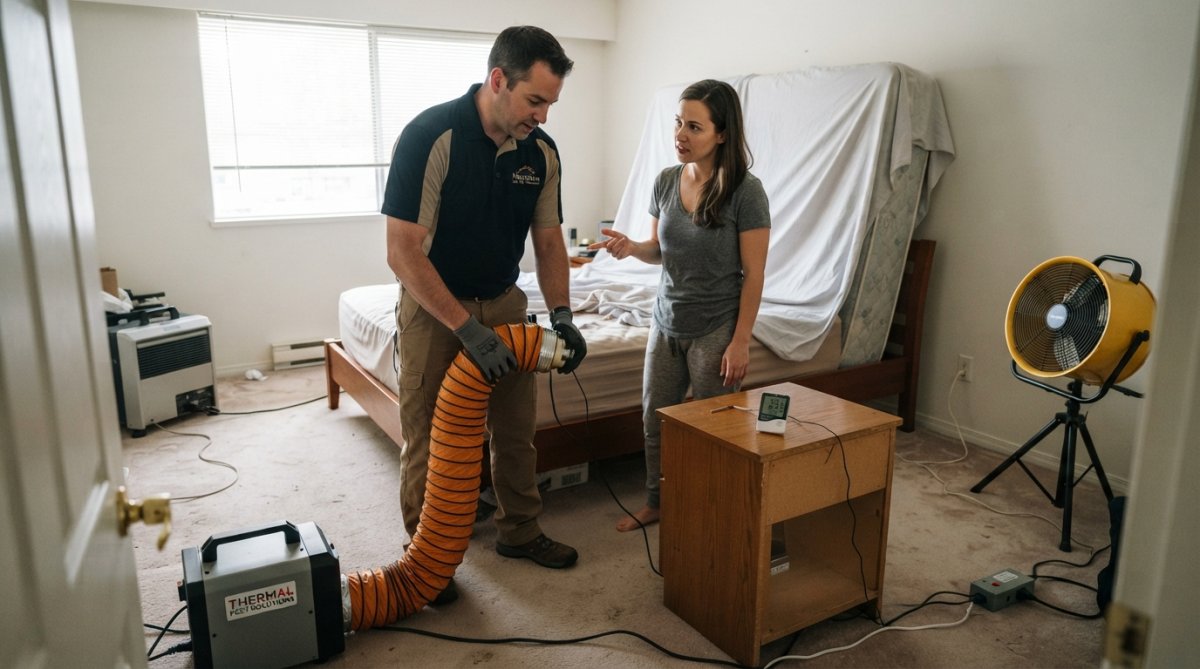
Heat penetrates deep into furniture, mattresses, walls, and cracks where bed bugs hide, places chemical spray cannot easily reach. This penetration is critical because bed bugs shelter in these protected areas.
A typical heat treatment takes 6-8 hours. The speed is the primary advantage: one treatment day versus multiple chemical applications over weeks. For property managers and short-term rental operators, this single-visit solution eliminates the infestation before it spreads.
The main drawback is preparation: removing people, pets, and heat-sensitive items like electronics, plastics, and medications. This burden deters some homeowners, though it prevents damage to sensitive items.
How Chemical Spray Works Against Bed Bugs
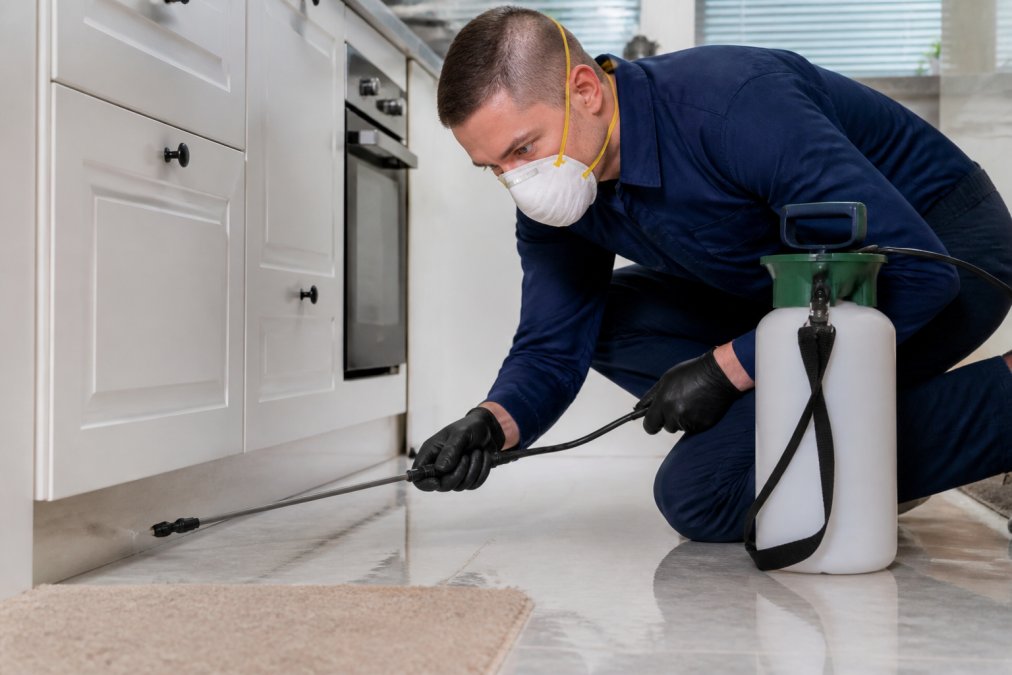
Chemical spray applies insecticide to surfaces where bed bugs travel and rest. The residual protection is the key advantage: the chemical remains active for days or weeks, killing bed bugs that venture out after treatment.
Chemical treatment requires 2-3 visits spaced 7-14 days apart to target the bed bug life cycle. The first spray kills adults and nymphs; the second catches newly hatched nymphs before they reproduce.
The process is less disruptive: you don't need to vacate the property. You can return to normal use within 2-4 hours after the chemical dries.
Cost is lower upfront than heat treatment, but the total cost across multiple applications can approach heat treatment pricing for severe infestations.
The critical limitation: chemical spray doesn't kill eggs instantly because they have a protective shell. Multiple applications are essential to kill emerging nymphs before they reproduce.
How to Prepare for Bed Bug Treatment
Preparation determines treatment success. Poor prep work allows bed bugs to survive in overlooked areas or re-infest after treatment.
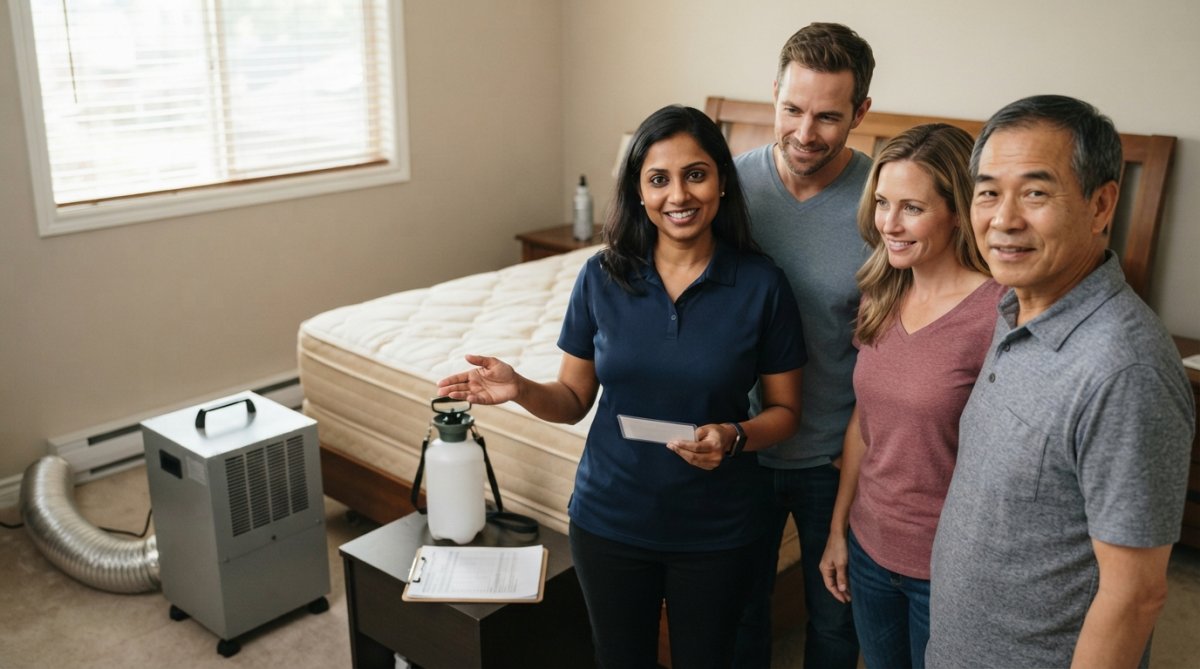
For heat treatment: Remove all people, pets, and plants at least 4-6 hours before treatment. Open all interior doors and move furniture slightly away from walls. Remove heat-sensitive items before technicians arrive:
- Electronics: Computers, televisions, monitors, and smart devices can warp or degrade.
- Vinyl and plastics: Records, storage bins, and furniture frames can warp or melt.
- Candles, cosmetics, and medications: Will melt or degrade at high temperatures.
- Artwork and photographs: Can be damaged by extreme heat. Move to a climate-controlled location.
- Delicate fabrics: Silks and glued upholstery may be affected. Ask your technician which furniture to remove.
- Aquariums and live plants: Remove all aquatic and terrestrial life.
- Wine and temperature-sensitive foods: Can spoil at high temperatures.
In multi-unit buildings, notify neighbors and coordinate with building management, as some require advance notice.
For chemical spray: Declutter thoroughly. Wash all bedding in hot water and dry on high heat. Vacuum carpets and furniture. Do not wash floors after treatment, as this removes residual protection.
For both methods: Plan for post-treatment monitoring. Look for live bugs, shed skins, and dark fecal spots. Schedule follow-up inspections with your service provider.
Bed Bug Treatment Success Rates: What the Data Shows
Heat treatment achieves higher single-visit success rates because it targets all life stages simultaneously. Severe infestations have lower success rates with any single method. Post-treatment monitoring is where most failures occur; a single surviving pregnant female can restart the infestation within weeks. Hybrid approaches, combining heat treatment with targeted chemical applications, reduce failure risk in multi-unit buildings or high-risk environments.
Bed Bug Heat Treatment Cost and Chemical Spray Pricing
Heat treatment pricing depends on square footage and complexity. Larger homes cost more because heating the entire space requires more equipment and time. Pricing for professional thermal remediation typically ranges higher than chemical spray, reflecting the specialized equipment and expertise required.
Chemical spray pricing is lower per application, but multiply that by 2-3 visits and the total can become comparable to heat treatment. For a single-room treatment, chemical spray remains the cheaper option. For whole-home infestations, heat treatment's one-visit model often costs less overall than multiple chemical applications.
Additional costs apply to both methods. Heat treatment may require temporary lodging if you can't remain in the property during treatment.
Safety, Toxicity, and Post-Treatment Monitoring
Heat treatment is non-toxic. It leaves no chemical residue in your home. This makes it ideal for properties with children, pets, or occupants with chemical sensitivities. However, the extreme heat poses risks if not managed properly. Technicians use monitoring equipment and experience to prevent property damage, but some items, electronics, certain fabrics, and heat-sensitive materials, may be affected if not removed beforehand.
Post-Treatment Monitoring Protocol
Post-treatment monitoring is the most commonly overlooked step and the primary reason infestations return. A single surviving pregnant female bed bug can restart an entire infestation within 4-6 weeks. Implement a structured 30-day monitoring plan after treatment ends:
Days 1-7 (After heat treatment or final chemical application):
- Inspect mattresses, box springs, and bed frames daily. Look for live bugs, shed exoskeletons (tan, papery shells 3-5 mm long), or dark fecal spots (pinpoint-sized dark marks clustered on seams).
- Check baseboards, furniture crevices, and wall outlets where bed bugs hide.
- Use a flashlight and magnifying glass; bed bugs are small and move quickly.
- If you find any evidence, photograph it and contact your service provider immediately.
Days 8-14:
- Continue daily visual inspections of high-risk areas: mattress seams, headboards, nightstands, and upholstered furniture.
- After chemical spray treatment, this window is critical because newly hatched nymphs from surviving eggs may emerge. This is why multiple chemical applications are spaced 7-14 days apart.
- If your service provider scheduled a second chemical application, ensure it occurs on schedule.
Days 15-30:
- Reduce inspection frequency to every 2-3 days but remain vigilant.
- Continue checking mattresses, furniture, and baseboards.
- Wash bedding in hot water and dry on high heat weekly to remove any bugs or eggs that may have survived.
- Vacuum carpets and upholstered furniture thoroughly, then seal and dispose of vacuum bags immediately (bed bugs can survive inside bags).
Beyond 30 days:
- Maintain monthly inspections for 3-6 months, especially in multi-unit buildings where re-introduction from neighboring units is possible.
- If you detect bed bugs after treatment, report it to your service provider immediately.
Guarantee and Retreatment
Most professional treatments include a guarantee: if bed bugs return within a specified period, the provider will retreat at no charge. This guarantee incentivizes thorough initial treatment and provides peace of mind. Understand the terms of your guarantee before treatment begins:
- Coverage period: How long after treatment does the guarantee apply?
- Retreatment scope: Does the guarantee cover the entire property or only treated areas?
- Conditions: Does the guarantee require you to follow prep and monitoring instructions? Some providers void guarantees if homeowners fail to prepare properly or skip monitoring.
- Documentation: Keep records of all treatment dates, areas treated, and any monitoring findings. This documentation supports a claim if retreatment is needed.
Signs of Treatment Failure
If you observe any of the following within 30 days of treatment, contact your service provider:
- Live bed bugs on mattresses, furniture, or walls
- New bites appearing on your skin (though bites can persist for weeks after bugs are dead)
- Shed exoskeletons in areas that were treated
- Dark fecal spots on bedding or furniture seams
- Bugs appearing in rooms that were not infested before treatment (sign of spread from untreated areas)
Which Method Should You Choose?
Heat treatment wins if you need fast eradication and can manage the preparation burden. Choose this method for severe infestations, multi-unit buildings where spread is a risk, or properties where downtime is costly. The single-day timeline and non-toxic approach make it ideal for hotels, short-term rentals, and homes with vulnerable occupants.
Frequently Asked Questions
Is heat or chemical treatment more effective for bed bugs?
Heat treatment eliminates all life stages, including eggs, in a single application by raising room temperature to lethal levels. Chemical spray requires multiple applications spaced 7-14 days apart to break the egg cycle. Heat treatment achieves 100% mortality in one visit; chemical treatments depend on thorough application and residual effect. Both methods work, but heat treatment offers faster, more complete eradication when properly executed.
What is the success rate of bed bug heat treatment?
Professional heat treatment success rates typically exceed 95% when temperatures reach 63-66°C (145-150°F) throughout all spaces, including deep furniture crevices and wall cavities. Success depends on proper preparation, adequate penetration time, and correct thermal death point maintenance. Chemical spray success rates are lower (70-90%) because eggs survive initial applications and require follow-up treatments. Post-treatment monitoring and habitat modification improve outcomes for both methods.
How should I prepare for bed bug treatment?
For heat treatment, remove or protect heat-sensitive items, relocate pets and plants, and ensure all rooms are accessible. For chemical spray, remove bedding, declutter furniture, vacuum thoroughly, and keep children and pets away during application and drying. Both methods require sealing cracks and crevices beforehand. Your treatment provider will supply a detailed preparation checklist. Proper prep work directly impacts treatment effectiveness and reduces re-infestation risk.
Why might I still see bed bugs after heat treatment?
Post-treatment sightings usually indicate re-introduction from untreated areas (other units in a building, luggage, or furniture) rather than treatment failure. Heat treatment kills all bugs and eggs present during application, but cannot prevent new infestations entering afterward. This is why post-treatment monitoring protocols are critical. If bed bugs appear weeks after treatment, professional re-inspection determines whether re-treatment is needed or if prevention measures require adjustment.