 ultimate-guide
Landlord Responsibility for Bed Bugs: A 2026 Guide
Table of Contents
- Landlord Responsibility for Bed Bugs: The Basics
- Who Pays for Bed Bug Treatment in a Rental?
- Tenant Rights for Bed Bugs in a Rental Property
- A Practical Timeline From Discovery to Follow-Up
- Bed Bug Treatment Preparation Checklist for Tenants
- Shared Buildings, Neighboring Units, and Recurring Infestations
- How to Prevent Bed Bugs in Rental Properties
- Frequently Asked Questions
Landlord Responsibility for Bed Bugs: The Basics
Last Updated: October 13, 2026
In most Canadian provinces, landlord responsibility for bed bugs means the landlord must arrange and pay for professional treatment to restore the unit to a habitable condition. That duty flows from residential tenancy legislation and municipal housing standards, not from who brought the bugs in. At Meridian Bed Bug Treatment, we work with landlords, tenants, and property managers across Vancouver and the Lower Mainland, and the confusion is always the same: people assume fault decides payment.
Why Infestations Are a Habitability Issue
A bed bug infestation is a habitability problem because it makes a unit unfit for ordinary living, not because it damages the structure.
That shifts the question from blame to duty. A tenant who brought bed bugs home in a suitcase still lives in a unit the landlord must keep habitable. The remedy is treatment, not a debate about fault.
Who Pays for Bed Bug Treatment in a Rental?
The landlord normally pays for bed bug treatment in a rental, because treatment is part of the maintenance obligation attached to the unit. This default holds across most jurisdictions, even when the tenant's own actions introduced the bugs: the duty is tied to the unit, not the tenant's conduct.
The harder question, and the one that decides disputes, is how a tribunal allocates cost when the landlord argues the tenant caused the infestation.
How Cost Allocation Is Actually Decided
A tenancy tribunal does not ask who is morally at fault. It asks two narrower questions:
- Did the landlord meet the statutory duty to maintain the unit in a habitable condition?
- If the landlord is claiming the tenant should bear the cost, can the landlord prove the tenant breached a specific tenancy obligation?
The second question is where most landlord claims fail. A general assertion that the tenant "probably brought them in" is not evidence. Tribunals look for a documented breach: an ignored written preparation instruction, a dated record of refused access, or a lease clause the tenant clearly violated.
What Shifts Cost to the Tenant
A tenant may be ordered to bear some or all of the cost when the landlord can document one of the following:
- Refused access. The tenant was given proper written notice and refused entry without a valid reason, and treatment could not proceed.
- Ignored preparation instructions. The tenant received written prep instructions and did not follow them, and the applicator documented that the unit was not ready.
- Lease breach. The lease specifically prohibits bringing in uninspected second-hand furniture, and the tenant did so.
What Does Not Shift Cost to the Tenant
- The tenant reported the infestation promptly and cooperated.
- The source is unknown.
- The infestation came from a neighboring unit, a common area, or shared laundry.
The Documentation That Decides the Outcome
Both sides should assume the dispute will be decided on paper. Key records:
- The tenant's written report, with date and photos.
- The landlord's written notice of entry, with date, time window, and purpose.
- The preparation instructions, in writing, delivered in advance.
A landlord with a clean paper trail can sometimes recover costs; without one, usually not, even when the tenant probably caused the problem. A tenant with a clean paper trail can resist a cost claim and pursue a remedy if the landlord stalls.
| Situation | Who Typically Pays | Why |
|---|---|---|
| Infestation source unknown | Landlord | Habitability duty applies regardless of cause |
| Tenant reported promptly, cooperated | Landlord | Tenant met their obligations |
| Tenant refused access or ignored prep instructions | Possibly tenant | Breach of tenancy duty, if documented |
| Infestation traced to neighboring unit | Landlord or building | Common-area or building-wide issue |
| Tenant introduced infested items against lease terms | Possibly tenant | Negligence or lease breach, if provable |
| Landlord delayed after report | Landlord | Failure to act on a known habitability issue |
Provincial and territorial residential tenancy legislation
Tenant Rights for Bed Bugs in a Rental Property
Tenant rights for bed bugs in a rental property center on three things: the right to a habitable unit, the right to be notified before entry, and the right to treatment at no personal cost in the ordinary case.
What those rights look like in practice depends on the province or territory, because tenancy law is set at that level.
The Right to a Habitable Unit
Habitable means fit for ordinary living. An active infestation generally fails that standard, which is why the duty to treat sits with the landlord regardless of who introduced the bugs. This duty is separate from fault and cannot be waived by a lease; a clause pushing all pest-control costs onto the tenant is often unenforceable where it conflicts with the statutory maintenance obligation.
The Right to Notice Before Entry
A landlord or pest-control provider generally cannot enter a unit without proper written notice, except in an emergency. Notice periods vary, but the common pattern is at least 24 hours in writing, stating the date, a time window, and the purpose. For bed bug treatment, the notice should also explain required preparation. A tenant who receives proper notice is expected to cooperate; refusing entry without a valid reason weakens their position in any later dispute.
The Right to Treatment at No Personal Cost
In the ordinary case, the tenant does not pay for the treatment itself, but not every related cost is the landlord's. Laundry, replacement bedding, and temporary relocation are handled differently across jurisdictions, and some tribunals will order reimbursement of reasonable out-of-pocket costs while others will not. Tenants should keep receipts and ask, rather than assume.
What Tenants Should Do
- Report the problem in writing, with dates and photos, and keep a copy.
- Allow access when proper written notice of entry is given.
- Follow the preparation instructions the landlord or pest control provider supplies.
- Keep records of any out-of-pocket costs, such as laundromat fees or replaced bedding.
- If the landlord stalls, send a follow-up in writing and note the date.
What Tenants Should Not Do
- Do not withhold rent. In most jurisdictions, withholding rent without a tribunal order is itself a breach and can trigger eviction proceedings.
- Do not treat the unit with unregistered or over-the-counter products. These rarely work, can scatter the infestation into neighboring units, and may void the landlord's professional treatment.
- Do not refuse entry. Refusing access is one of the few fact patterns where a tribunal may shift treatment costs onto the tenant.
Find your provincial or territorial residential tenancy authority
A Practical Timeline From Discovery to Follow-Up
A typical bed bug resolution runs four to eight weeks from discovery to confirmed clearance, and the timeline matters because bed bugs reproduce between visits.
Week 1: Report and inspect. The tenant reports in writing.
Week 1-2: Notice and preparation. The landlord issues written notice of entry for treatment.
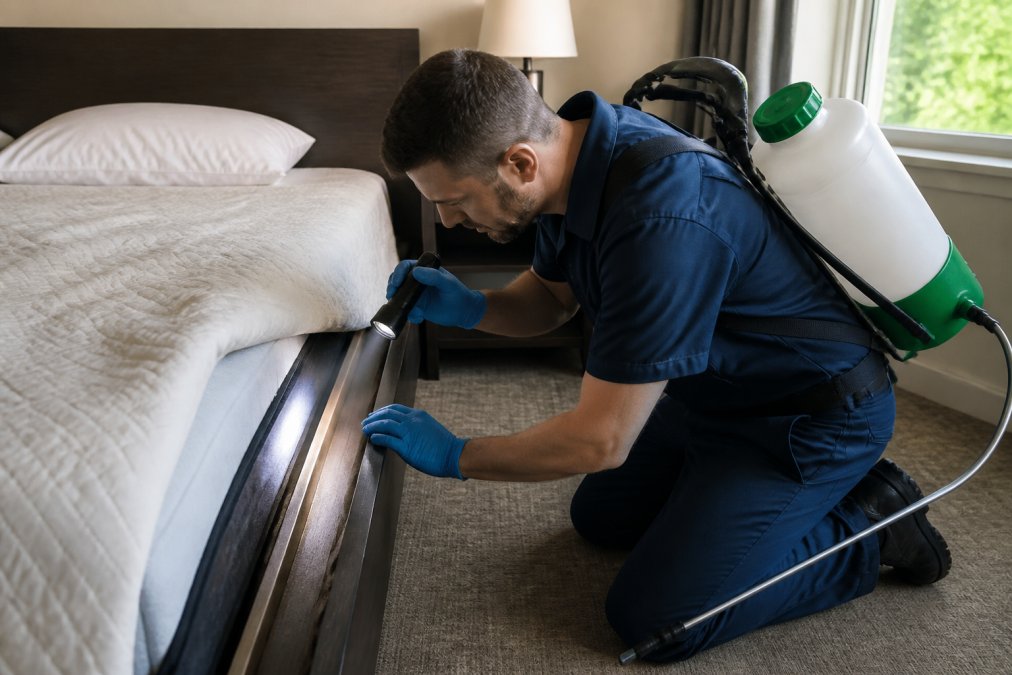
Week 2-3: First treatment. A licensed applicator treats the unit.
Week 3-6: Follow-up treatment. A second visit confirms whether the first treatment worked.
Week 6-8: Monitoring and clearance. Interceptors or visual checks confirm no activity. Only then is the file closed.
Bed Bug Treatment Preparation Checklist for Tenants
Preparation is the tenant's main job, and doing it well is what makes treatment work. Key steps:
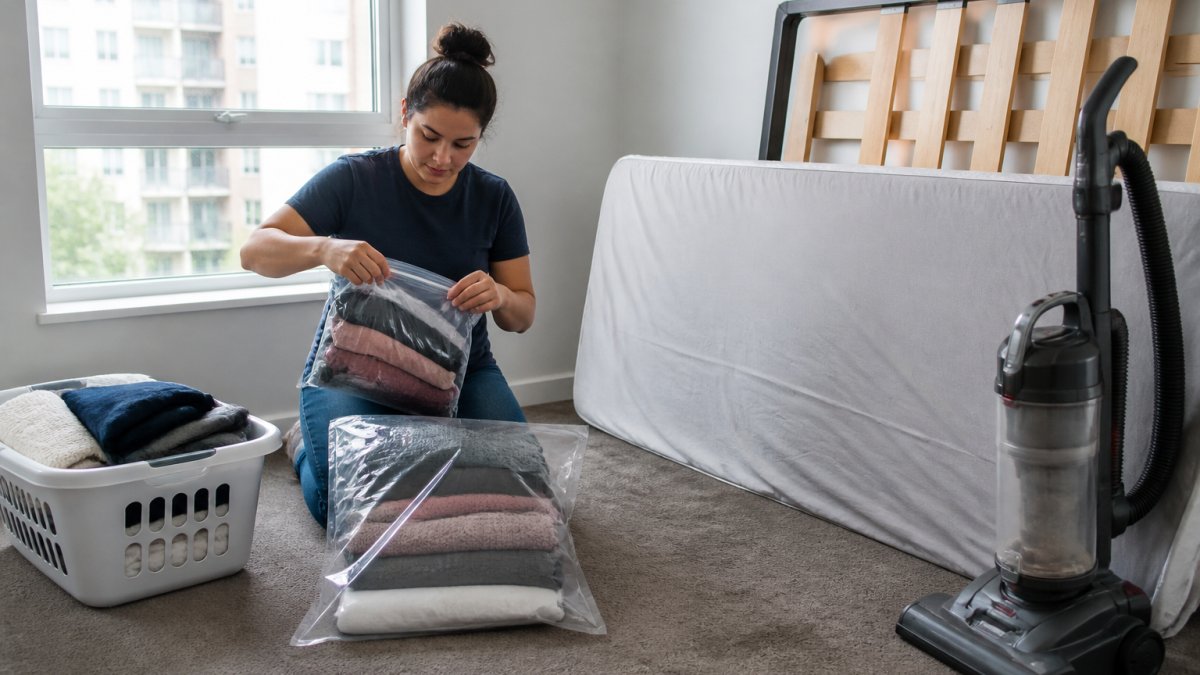
- Wash and dry all bedding, clothing, and curtains on the hottest setting the fabric allows.
- Seal washed items in clear plastic bags and keep them sealed until treatment is complete.
- Strip beds and leave mattresses and box springs exposed, not re-covered.
Share this checklist with tenants in writing, in advance. Verbal instructions get forgotten, and forgotten instructions get blamed on the landlord.
Shared Buildings, Neighboring Units, and Recurring Infestations
Bed bugs in a shared building rarely stay in one unit, so treating a single apartment in isolation is a common mistake. They travel through shared walls, plumbing runs, and common areas, so a unit treated alone can be reinfested from next door within weeks.
For multi-unit properties, the practical approach is:
- Inspect adjacent units and common areas, not just the reported unit.
- Treat connected units on the same schedule, so bugs have nowhere to retreat.
- Notify neighboring tenants in writing, without naming the source unit.
This is where documentation earns its keep. A written record of inspections, notices, treatments, and follow-ups protects a landlord in a dispute and proves due diligence to a tenancy board if a tenant complains about recurring infestation.
How to Prevent Bed Bugs in Rental Properties
Prevention in rental properties comes down to routine inspection, tenant education, and fast response.
Practical measures:
- Inspect units between tenancies, focusing on mattress seams, bed frames, and baseboards.
- Give every new tenant a short written guide on spotting and reporting bed bugs early.
- Act on the first report within days, not weeks. Delay is what turns one unit into five.
- Keep a log of every inspection, report, and treatment for the building.
- Discourage the introduction of uninspected second-hand furniture, and say so in the lease.
Prompt notification is the tenant's side of the same coin. A tenant who reports early gives the landlord a chance to act before the infestation spreads, which is what tenancy legislation expects from both parties.
Bed bugs in a rental property are a legal problem and a practical one, best solved together.
Frequently Asked Questions
Are landlords responsible for bed bugs in rental properties?
In most Canadian provinces, yes. Residential tenancy laws require landlords to maintain rental units in a habitable condition, and a bed bug infestation typically falls under that duty. Landlord responsibility for bed bugs generally means arranging professional treatment and covering the cost, provided the infestation did not result from tenant negligence. The exact wording of the obligation varies by province, so check your local residential tenancy legislation or contact your tenancy board for the rules that apply to your unit.
Who pays for bed bug treatment in a rental unit?
The landlord usually pays when the infestation is not the tenant's fault, because treatment is part of maintaining a habitable unit. A tenant may be charged if they caused the infestation through negligence, such as bringing in infested second-hand furniture against the lease terms. In shared buildings, the landlord or property manager typically covers treatment for the affected unit and any common areas or neighboring units that require inspection.
What should a landlord do when a tenant reports bed bugs?
Act quickly. Acknowledge the report in writing, arrange a professional inspection, and give proper notice of entry as required by your provincial tenancy rules. Confirm the treatment plan with the pest control company, share preparation instructions with the tenant, and keep written records of every step. Delaying treatment allows the infestation to spread to neighboring units, which increases both the cost and the legal risk for the landlord.
Can a tenant be charged for bed bug treatment?
Yes, but only in specific circumstances. If the landlord can show the infestation was caused by tenant negligence or a clear lease violation, the tenant may be held responsible for some or all of the treatment cost. The landlord must usually provide evidence, such as inspection reports or written records. Disputes over charges typically go to the provincial tenancy board, which reviews the facts before deciding who pays.
What should tenants do to prepare for bed bug treatment?
Follow the pest control company's preparation checklist closely. This normally includes washing and drying all bedding and clothing on high heat, sealing items in bags, decluttering floors and closets, and vacuuming thoroughly. Tenants should also provide access to the unit on the scheduled treatment day and follow any post-treatment instructions. Skipping preparation steps is one of the most common reasons a professional treatment fails and bed bugs return.
How can landlords prevent bed bugs from spreading between units?
Inspect neighboring units and common areas as soon as an infestation is confirmed, and treat any affected spaces at the same time. Seal cracks around baseboards, electrical outlets, and pipe penetrations to reduce travel paths. Educate tenants on reporting early signs, such as bites or small dark spots on bedding, and respond to every report with a professional inspection. Shared-building prevention works best when the landlord treats the issue as a building-wide problem, not a single-unit one.