how-to
Preparing for Bed Bug Heat Treatment in Apartments
Table of Contents
- Why Preparation Matters for Bed Bug Heat Treatment Success
- Creating a Bed Bug Heat Treatment Preparation Checklist
- What to Remove Before Bed Bug Heat Treatment
- Washing and Bagging Clothes Before Bed Bug Treatment
- Clearing Access and Treatment Areas for Thermal Remediation
- Bed Bug Heat Treatment Duration and What to Expect
- Apartment-Specific Coordination and Neighboring Unit Considerations
- Common Preparation Mistakes to Avoid
- Frequently Asked Questions
Last Updated: October 10, 2026
Why Preparation Matters for Bed Bug Heat Treatment Success
Preparing for Meridian Bed Bug Treatment heat treatment in apartments is the difference between success and failure. Heat treatment kills bed bugs by exposing them to temperatures above 50°C, but only when the heat reaches every corner, crevice, and item in your space. Poor preparation leaves hiding spots untouched and allows infestations to return.
Inadequate prep work often forces costly second treatments when eggs in sealed boxes or bugs in unprepared furniture survive. Proper preparation ensures thermal remediation works the first time.
Heat treatment typically takes 4 to 8 hours for a standard apartment, but success depends entirely on preparation before the technician arrives.
Creating a Bed Bug Heat Treatment Preparation Checklist
Use this checklist to track your preparation progress:
| Task |
|---|
| Remove clutter from all rooms |
| Wash and bag all clothing and linens |
| Clear furniture away from walls |
| Remove heat-sensitive items |
| Unplug electronics and appliances |
| Empty drawers and cabinets |
| Seal hazardous materials |
| Confirm access with landlord |
| Timeline |
|---|
| 3-5 days before |
| 2-3 days before |
| 2 days before |
| 1-2 days before |
| Day before |
| Day before |
| Day before |
| 1 week before |
| Priority |
|---|
| High |
| High |
| High |
| High |
| Medium |
| Medium |
| High |
| High |
Room-by-Room Apartment Preparation
Bedroom preparation: Strip beds completely. Remove mattresses from frames and stand upright against a wall. Wash all bedding, pillows, and covers on high heat. Empty nightstands and dresser drawers. Move all furniture to the center of the room, away from walls.
Living room and common areas: Clear couches, chairs, and entertainment units away from walls. Empty all shelves, cabinets, and drawers. Seal clutter in bags.
Kitchen and bathrooms: Empty all drawers, cabinets, and medicine chests. Remove items from under sinks.
What to Remove Before Bed Bug Heat Treatment
Certain items must leave your apartment entirely before treatment begins, while others can stay if properly prepared. Understanding the difference prevents costly damage and treatment failure.
Heat-Sensitive Items and Electronics
Remove all electronics: computers, tablets, smartphones, televisions, stereos, gaming consoles, and portable appliances (coffee makers, toasters, microwaves, space heaters, humidifiers, air purifiers).
Built-in appliances like ovens, dishwashers, and refrigerators typically stay in place, but confirm with your pest control provider.
Medications require immediate removal. All prescription medications, over-the-counter drugs, vitamins, and supplements must leave your apartment.
Photographs, important documents, and irreplaceable items should leave. Sustained temperatures above 55°C can warp photographs, fade ink, harm heirlooms, and degrade leather and vinyl.
Move these to a secure location at a friend's home or safety deposit box.
Candles, cosmetics, and personal care products melt or separate at high heat. Remove all scented candles, wax melts, lip balms, lotions, creams, perfumes, and hair products.
Artwork and decorative items: Remove framed prints, posters, wall hangings, mirrors, curtains, and blinds; these can warp or separate at high temperatures.
Hazardous Materials and Special Items
Cleaning supplies, pesticides, and solvents must be removed; heat can cause off-gassing and instability. This includes household cleaners, pesticides, paint thinner, nail polish, rubbing alcohol, and drain cleaners.
Store these items in a shed, garage, or outdoor storage area during treatment.
Propane, charcoal, and other fuels are fire hazards. Remove all fuel containers, propane tanks, charcoal, lighter fluid, and camping fuel.
Aerosol cans, lighters, and matches present explosion risks. Remove all spray cans, butane lighters, and matchbooks; heat can cause rupture and ignition.
Pet bedding, toys, and feeding dishes: Remove and wash on high heat for at least 45 minutes.
Plants should be removed. High heat damages houseplants and dries soil. Move plants to a friend's home or outdoor location; do not return for at least 24 hours after treatment.
Aquariums and terrariums must be removed or drained. Heat can harm fish and reptiles, and sustained high temperatures can cause glass tanks to crack.
Items You Can Keep (With Preparation)
Furniture, mattresses, sealed unopened food, and unopened beverages can stay. Most clothing and linens stay if properly washed and bagged.
Washing and Bagging Clothes Before Bed Bug Treatment
All clothing must be treated before the heat treatment day. Bed bugs hide in fabric, and your clothes are one of their favorite hiding spots.
High Heat Washing and Drying Standards
Wash all clothing and bedding in the hottest water your machine allows. If a garment cannot handle hot water, consider replacing it rather than risking bed bug survival.
Dry everything on the highest heat setting for at least 45 minutes. Heat kills bed bugs and eggs at all life stages.
After drying, place all clean clothing directly into sealed bags or plastic storage containers. Do not remove items until after your apartment has been treated and cleared by your pest control professional. This prevents recontamination.
Clearing Access and Treatment Areas for Thermal Remediation
Heat must reach every surface, wall, and corner. Clutter blocks heat circulation and creates cool pockets where bed bugs survive.
Remove all items from closets, shelves, under beds, drawers, and under sinks. Bag and seal all items.
Move all furniture to the center of each room, creating at least 30 centimeters of clear space between furniture and walls on all sides.
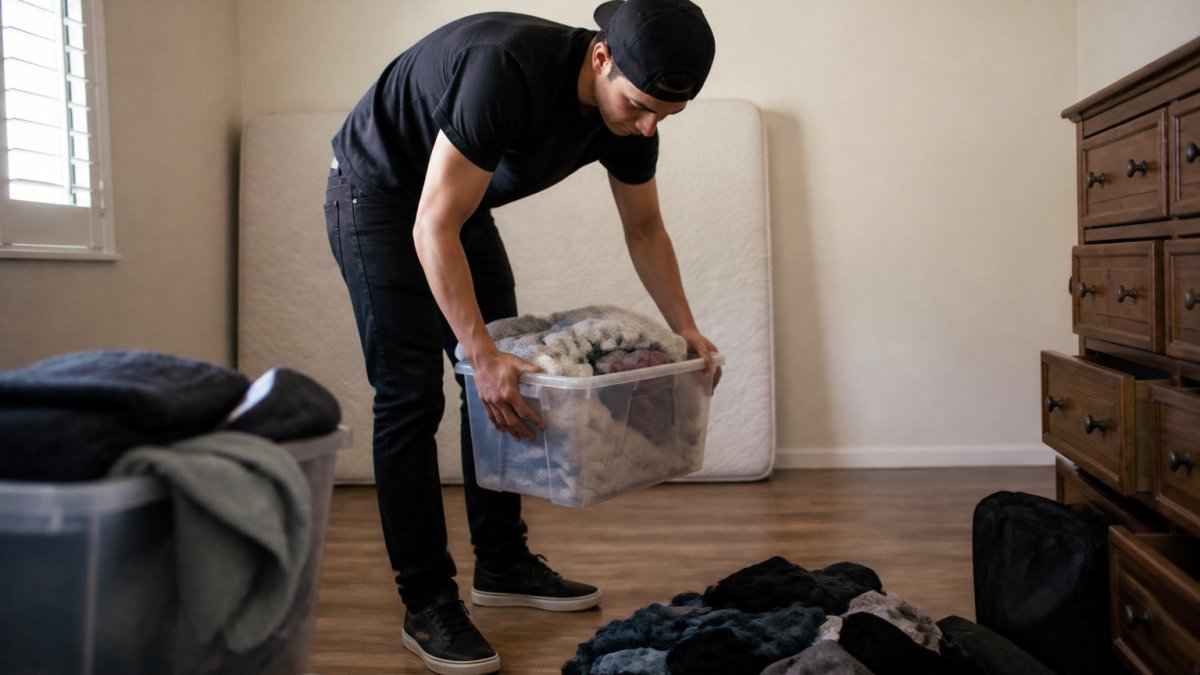
Clear doorways and hallways completely so the technician can position equipment and monitor heat distribution.
Bed Bug Heat Treatment Duration and What to Expect
Most apartments require 4 to 8 hours for thermal remediation; larger units may take up to 10 hours. The technician will monitor internal temperatures throughout.
You cannot remain in your apartment during treatment. Plan to stay elsewhere for the full duration plus a few additional hours.
The technician will seal your apartment to trap heat. Interior temperatures will rise to 55°C or higher, killing bed bugs at all life stages.
After treatment, do not return until the technician confirms it is safe, typically 4 to 6 hours after heating equipment is turned off.
Apartment-Specific Coordination and Neighboring Unit Considerations
Apartments present unique challenges: shared walls, electrical outlets, and plumbing allow bed bugs to move between units. Successful treatment requires coordination with your landlord and neighbors.
Working with Your Landlord or Property Manager
Notify your landlord or property manager immediately upon confirming infestation. Delays allow the infestation to spread to neighboring units.
Document your communication in writing. Email your landlord with the date you discovered bed bugs, where you found evidence, your requested treatment date, and contact information. Keep copies of all correspondence to protect both parties.
Provide your landlord with treatment details: pest control company name and contact, scheduled date and time, how long you'll vacate, items you're removing, and any access requirements.
Ask your landlord about building procedures: advance notice requirements, multi-unit coordination, adjacent unit inspections, preferred pest control companies, and cost responsibility.
Building-Wide Risks and Neighboring Units
Bed bugs spread through shared infrastructure: shared walls, electrical outlets, plumbing, heating ducts, baseboards, and door frames.
If neighboring units have bed bugs, your apartment can become reinfested after treatment, a common cause of reinfestation in multi-unit buildings.
Ask your landlord whether neighboring units have reported infestations. If adjacent units have active infestations, request inspections or coordinated simultaneous treatment.
Request written confirmation that your landlord will inspect adjacent units, notify you of infestations, coordinate treatment timing, and seal shared wall cavities and outlets after treatment.
After treatment, monitor neighboring units for signs of bed bug activity: neighbors mentioning bites, visible bugs in hallways, pest control vehicles, or neighbors discussing pest problems.
If you notice signs of bed bugs in adjacent units, report to your landlord immediately. Coordinated treatment across multiple units is more effective than treating one unit alone.
Post-Treatment Reinfestation Prevention
Reinfestation from neighboring units is common. Reduce this risk by:
Sealing entry points: Work with your landlord to caulk gaps around electrical outlets, baseboards, pipes, and door frames. This is typically a landlord responsibility.
Monitoring for early signs. For at least 4 weeks after treatment, inspect your apartment weekly for:
- Bed bug fecal spots (dark brown or black specks) on mattresses, sheets, or furniture
- Live insects in bedding, furniture seams, or baseboards
- Unexplained bites or welts on your skin
- Musty odors (a sign of large infestations)
Early detection of reinfestation allows for faster follow-up treatment before the population grows.
Keeping bagged items sealed. Do not unpack clothing, linens, or other bagged items until at least 2 weeks after treatment. This prevents reintroduction of bed bugs if any survived in sealed bags (rare, but possible if items were not properly washed or dried).
Communicating with neighbors. If you discover reinfestation from a neighboring unit, inform your landlord and request that the neighboring unit be treated. Polite, factual communication with neighbors about shared pest problems encourages building-wide cooperation and faster resolution.
Common Preparation Mistakes to Avoid
Many apartment dwellers make errors that reduce treatment effectiveness or create safety hazards.
Do not leave sealed boxes or plastic bins in your apartment. Bed bugs hide inside these containers, and the seal prevents heat from reaching them.
Do not assume your freezer or refrigerator will stay cool during treatment. Technicians may ask you to unplug appliances to prevent electrical hazards.
Do not skip the washing and bagging step for clothing. This is where most reinfestation begins.
Do not leave items in your car or storage unit and then bring them back into your apartment immediately after treatment. This reintroduces bed bugs.
Do not attempt to move infested furniture to another apartment or room before treatment. This spreads bed bugs throughout your building.
Do not forget to communicate with your landlord and neighbors. Building-wide awareness and coordination prevent reinfestation and show good faith to other residents.
Frequently Asked Questions
What temperature should you wash bedding at if you have bed bugs?
Wash all clothing, linens, and bedding in hot water at 54°C (130°F) or higher for at least 20 minutes. High heat is lethal to bed bugs at all life stages, including eggs. Dry items on the highest heat setting your dryer allows for at least 30 minutes. This combination of washing and drying ensures complete elimination of bed bugs and eggs in your laundry.
How long does bed bug heat treatment duration typically last?
Professional bed bug heat treatment usually takes 4-8 hours depending on your apartment's size, layout, and infestation severity. The pest control professional heats the entire space to a lethal temperature (typically 49-54°C or higher) and maintains it long enough to penetrate all areas where bed bugs hide. You'll receive specific timing instructions from your treatment provider.
Do I need to empty closets before bed bug heat treatment?
Yes, you should empty closets to allow heat to penetrate all surfaces and eliminate bed bugs hiding in clothing and storage areas. Bag clean clothing separately after washing and drying. Leave closets open and clear during treatment so the thermal remediation reaches every corner and crevice where bed bugs and eggs may be hiding.
Should neighboring apartments be inspected when one unit has bed bugs?
Yes, neighboring units should be inspected, especially in multi-unit housing like apartments. Bed bugs can travel between units through walls, electrical outlets, and shared spaces. Coordinate with your landlord or property manager to have adjacent units checked. Early detection in neighboring apartments prevents spread and reduces the risk of reinfestation in your treated unit.
Preparing for bed bug heat treatment in apartments requires planning and attention to detail, but it's the only way to ensure thermal remediation actually works. The steps are straightforward: remove heat-sensitive items, wash and seal clothing, clear clutter, and coordinate with your landlord. Meridian Bed Bug Treatment guides you through each step to eliminate bed bugs completely. Get started with our preparation consultation and take back your apartment today.