 blog
blog
Best Bed Bug Treatment Methods: A 2026 Guide
Table of Contents
- How to Confirm a Bed Bug Infestation Before You Treat
- Bed Bug Treatment Preparation Checklist
- DIY Bed Bug Treatment Methods That Work
- Professional Bed Bug Treatment Options for Widespread Infestations
- How Long Does Bed Bug Treatment Take?
- Bed Bug Treatment Aftercare: Preventing Reinfestation
- Frequently Asked Questions
Last Updated: October 14, 2026
How to Confirm a Bed Bug Infestation Before You Treat
The best bed bug treatment methods all start with the same step: confirming you actually have bed bugs. Treating the wrong pest wastes money and delays real relief.
Bed bug treatment works only when you know what you are fighting. Here is how to check before you spend a dollar.
- Look for live bugs: small, flat, reddish-brown, about the size of an apple seed
- Check for dark spots on sheets and mattress seams (fecal marks)
- Watch for tiny pale skins left behind as nymphs grow
- Look for bed bug eggs: white, oval, glued to surfaces
- Notice itching and swelling in lines or clusters on your skin
A flashlight and a credit card are enough to start. Slide the card along seams to flush out hiding bugs.
Health Canada pest control safety guidance
Where Bed Bugs Hide: Mattress Seams, Box Springs, and Bed Frames
Bed bugs hide close to where people sleep. That is the one fact that shapes every treatment plan.
Check these spots first:
- Mattress seams and piping
- Box spring corners and fabric folds
- Bed frame joints and screw holes
- Headboards, especially where they meet the wall
- Baseboards, curtains, and bedside drawers
If you find bugs in two or more rooms, a widespread infestation is likely. That changes your options. DIY methods rarely finish the job at that stage.
Bed Bug Treatment Preparation Checklist
Preparation decides whether treatment works. Skip it and bugs survive in untreated clutter. This is the single biggest reason DIY bed bug treatment methods fail.
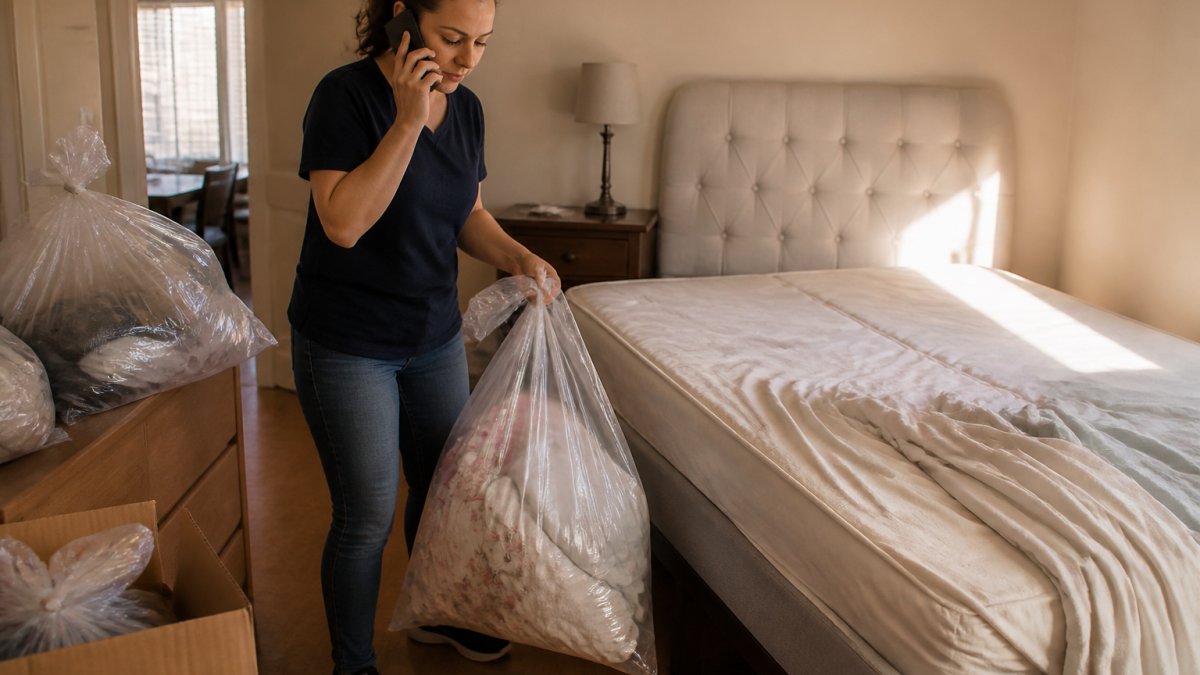
Our bed bug treatment preparation checklist covers the essentials:
- Wash all bedding, linens, and clothing in hot water
- Dry everything on the hottest dryer setting for at least 30 minutes
- Bag washed items in sealed plastic and store away from beds
- Vacuum mattress, box spring, carpets, and baseboards
- Empty and seal the vacuum bag, then discard it outside
- Clear clutter from floors and under the bed
- Pull beds away from walls
- Seal cracks and gaps around baseboards
DIY Bed Bug Treatment Methods That Work
Some DIY methods genuinely reduce a bed bug population. None of them alone clears a serious infestation. The table below ranks the common options by how much they actually contribute, so you can decide where to spend effort and where to stop.
| Method | What it actually does | Realistic effectiveness | Time and effort | Cost (CAD) |
|---|---|---|---|---|
| Hot laundering and drying | Kills all life stages on fabric | High, but only for items you can wash | A few hours per load cycle | Low, energy and detergent only |
| Steam treatment | Kills on contact, including eggs | High on exposed surfaces | Slow; roughly 30 cm every few seconds | Mid, rental or purchase of a steamer |
| Mattress and box spring encasements | Traps bugs inside and blocks reinfestation | High as a containment tool, not a killer | One-time installation | About $40-$120 per encasement |
| Residual insecticide spray | Kills bugs that crawl over treated surfaces | Moderate; depends on resistance | Reapplication every 2-3 weeks | Low to mid per container |
| Insecticide powder and diatomaceous earth | Dries out the insect's outer shell | Slow but long-lasting in voids | Light dusting, then patience | Low per container |
| Vacuuming | Removes live bugs, eggs, and debris | Helpful, never sufficient alone | Frequent, ongoing | Low |
| Essential oils | Mild deterrent at best | Low, not a treatment | Repeated application | Low |
| Aerosol foggers | Reaches only exposed bugs | Poor against hidden bugs | One-time, often wasted | Low |
Heat and Steam Treatment
Heat kills bed bugs at every life stage, including eggs. Steam treatment works on contact. Aim a steamer at mattress seams, box springs, and bed frames. Move slowly, about 30 cm every few seconds.
- Best for: mattresses, furniture, and small rooms
- Not for: whole apartments without professional equipment
- Watch out: steam can damage some fabrics and finishes
Residual Insecticides, Powders, and Diatomaceous Earth
Residual insecticide sprays and insecticide powders kill bugs that crawl over treated surfaces. Diatomaceous earth works by drying out the insect's outer shell. It is slow but long-lasting.
- Apply liquid spray to cracks, baseboards, and frame joints
- Dust powder into voids and gaps
- Reapply per label instructions
Laundering, Vacuuming, and Non-Chemical Control
Laundering is one of the most reliable steps you control. Hot water plus a hot dryer kills bugs and eggs on fabric. Vacuuming removes live bugs, eggs, and debris from carpets and seams.
Other non-chemical control options:
- Essential oils: limited effect, best as a mild deterrent
- Aerosol foggers: poor results against hidden bugs
- Mattress encasements: trap bugs and stop reinfestation
Why DIY Treatment Fails, and What to Do Next
When a DIY effort does not work, the cause is usually one of a few predictable problems rather than bad luck:
- Missed hiding places. Bugs survive in headboard bolts, curtain folds, and baseboard gaps that were never treated.
- Insecticide resistance. Populations in many regions no longer respond well to common active ingredients, so a spray that worked years ago may do little now.
- Eggs hatching after treatment. Eggs that survived the first pass hatch days later and restart the cycle.
- Reintroduction. Bugs brought back on luggage, second-hand furniture, or from a neighboring unit undo your work.
If two or more rooms show activity, or if you have treated twice and still see bugs, stop repeating the same method. Switch to an integrated plan: keep laundering and encasements going, add monitoring, and bring in professional treatment for the hiding places you cannot reach.
Canadian Centre for Occupational Health and Safety on pesticide exposure
Professional Bed Bug Treatment Options for Widespread Infestations
Professional treatment is the reliable choice when bugs have spread. Heat treatment, targeted chemical treatment, and fumigation all require trained technicians and proper equipment. That is why most multi-room infestations need a pro.
| Method | Best For | Typical Timeline | Repeat Needed | Main Cost Drivers |
|---|---|---|---|---|
| Heat treatment | Whole rooms, all life stages | 1 day | Sometimes | Room count, square footage, equipment setup |
| Residual spray | Cracks, baseboards, frames | 1-2 visits | Yes, 2-3 weeks apart | Number of rooms, follow-up visits |
| Steam treatment | Mattresses, furniture | Same day | Spot checks | Furniture volume, technician hours |
| Fumigation | Severe, building-wide cases | 1-3 days | Rarely | Building size, occupancy, sealing work |
What Drives the Cost
Professional bed bug treatment in Canada is usually quoted per room or per unit rather than as a flat fee, and the final price depends on a handful of factors:
- Infestation size. A single bedroom costs far less to treat than a whole home or a multi-unit building.
- Housing type. Detached homes are simpler to treat than apartments and condos, where connected units may also need inspection.
- Method chosen. Heat treatment carries higher equipment and labor costs than a targeted residual spray.
- Number of visits. Any method that needs follow-up visits adds to the total.
- Preparation and access. Cluttered rooms and hard-to-reach units take longer and cost more.
Because quotes vary so widely by region and property, ask for a written estimate that itemizes the method, the number of visits, and what happens if bugs return.
How to Choose a Method
Match the method to your situation rather than to the lowest quote:
- One room, confirmed activity: targeted residual spray or steam, with follow-up.
- Multiple rooms or a whole unit: heat treatment is often the fastest single-visit option.
- Shared building with spread between units: coordinated treatment of connected units, sometimes with fumigation for severe cases.
- Households with young children, pets, or chemical sensitivities: discuss lower-exposure options such as heat and steam with your technician.
Why Professional Treatment Works Where DIY Stalls
Trained technicians succeed for reasons that are hard to replicate at home: they inspect hiding places most people miss, they apply the right product at the right concentration, and they schedule follow-up visits timed to catch newly hatched eggs. They also document the treatment, which matters for landlords, tenants, and insurers.
Meridian Bed Bug Treatment handles homes, condos, apartments, hotels, and short-term rentals across Vancouver and the Lower Mainland. We confirm the infestation and treat it.
How Long Does Bed Bug Treatment Take?
Most bed bug treatments take one to three visits spread over two to four weeks. The answer depends on how widespread the infestation is and which method you use.
- Single-room heat treatment: often one day
- Chemical treatment: two or three visits, spaced 2-3 weeks apart
- Severe infestations: several weeks with monitoring
Follow-up treatment matters. Eggs survive many first treatments and hatch days later. That is why one visit rarely ends an infestation. Plan for at least one return check.
Bed Bug Treatment Aftercare: Preventing Reinfestation
Aftercare is where infestations come back. Bed bugs return when you skip the follow-up and keep old habits.
- Keep mattress and box spring encasements on
- Recheck seams and frames every two weeks for signs of bugs
- Wash and dry bedding on high heat regularly
- Vacuum often and discard the bag outside
- Report any new bites or spots right away
- In shared buildings, tell your property manager so neighboring units get checked
If you are a landlord or property manager, treat connected units together. Bugs travel through walls and shared plumbing. Treating one unit and ignoring the next guarantees a repeat call.
Frequently Asked Questions
Are bed bugs visible to the human eye?
Adult bed bugs are about 5-7 mm long and visible without magnification. Nymphs are smaller and translucent, making them harder to spot. Look for them in mattress seams, box springs, and bed frames. You may also see shed skins, tiny white eggs, or dark fecal spots. If you are unsure, a professional inspection can confirm whether you have an active infestation before you start any bed bug treatment.
How many treatments does it take to get rid of bed bugs?
Most infestations need at least two treatments spaced 10-14 days apart. The second visit catches newly hatched nymphs that were eggs during the first application. Severe or widespread infestations may require three or more visits. DIY methods often fail because they miss hiding places or do not repeat the application. Professional bed bug treatment plans typically include follow-up inspections to confirm elimination.
Is heat treatment or chemical spray more effective for bed bugs?
Both methods work when applied correctly. Heat treatment raises room temperatures above 50°C to kill all life stages, including eggs, in a single session, but it requires specialized equipment and preparation. Residual chemical sprays and powders provide longer-lasting control but may not penetrate deep cracks. Many pest control professionals combine heat with a residual insecticide to improve results. The best choice depends on infestation size and your home's layout.
What should I do if I still see bed bugs after treatment?
Seeing a few live bed bugs immediately after treatment is normal, as they may emerge from untreated hiding spots. Monitor for two weeks. If activity continues, contact your pest control provider for a follow-up. Do not apply additional DIY sprays without guidance, as this can spread the infestation or create chemical safety risks. A professional can assess whether a second bed bug treatment is needed and adjust the approach.
Bed bugs rarely surrender to a single spray or a weekend of DIY effort. They hide, they survive, and they come back. Meridian Bed Bug Treatment specializes in bed bug work for homes, condos, apartments, hotels, and short-term rentals, with discreet service for property managers and fast turnaround for short-term rental hosts. Get started with Meridian Bed Bug Treatment and clear your space for good.