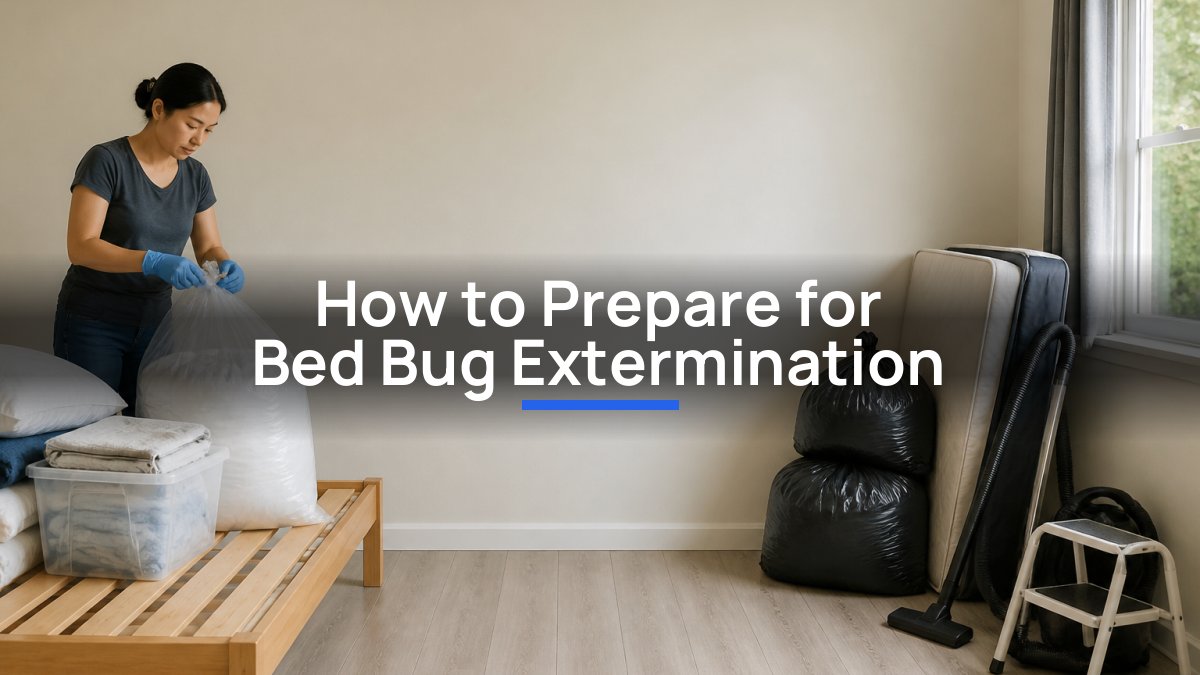
how-to
Common Reasons for Bed Bug Re-infestation
Table of Contents
- Why Bed Bug Re-infestation Occurs After Treatment
- Incomplete Initial Treatment as a Source of Re-infestation
- Reintroduction Through Travel, Luggage, and Belongings
- Bed Bug Follow-Up Treatment and Why It Matters
- How to Prevent Bed Bugs From Coming Back
- Bed Bug Monitoring After Treatment
- Understanding Bed Bug Treatment Guarantees
- Multi-Unit Buildings and Shared Spaces
- Frequently Asked Questions
Last Updated: October 8, 2026
Why Bed Bug Re-infestation Occurs After Treatment
Bed bug re-infestation happens more often than most people realize. You follow treatment protocols, think the problem is solved, then weeks later the bites return.
Bed bugs hide in hard-to-reach places, reproduce quickly, and can be reintroduced from outside sources. Understanding why re-infestation occurs is the first step to preventing it.
Bed bug re-infestation patterns repeat across homes, condos, apartments, and rental properties.
Incomplete Initial Treatment as a Source of Re-infestation
Incomplete treatment is the leading cause of bed bug re-infestation: the treatment may have been thorough, but bed bugs survived in areas that were missed or undertreated.
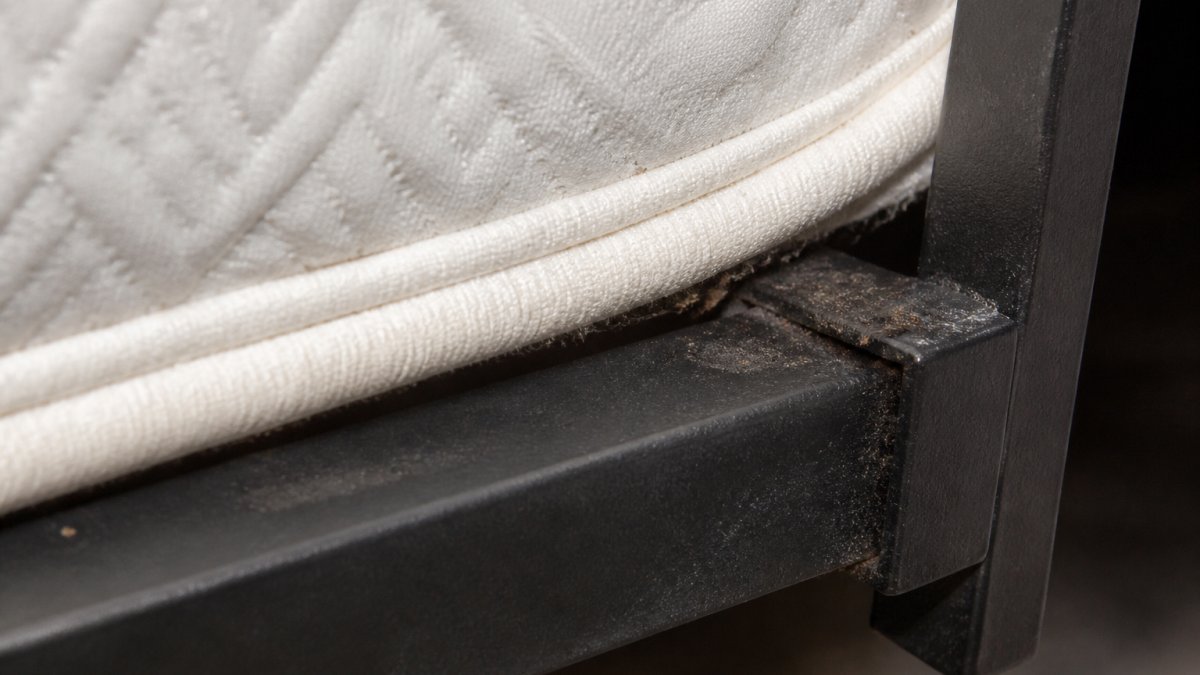
Untreated areas and hiding places
Bed bugs don't live just on mattresses. They hide in baseboards, electrical outlets, picture frames, nightstands, behind wallpaper, and in upholstered seams and bed frame joints. If treatment misses these spots, survivors remain.
Common untreated areas include:
- Cracks in walls and baseboards
- Behind headboards and bed frames
- Inside nightstands and dressers
Bed bugs flatten their bodies to fit into spaces thinner than a credit card, so a gap you can barely see is a safe haven.
Missed eggs and nymphs
Bed bugs go through multiple life stages: eggs, nymphs, and adults. Eggs are tiny and hidden in cracks where pesticide spray doesn't penetrate.
If treatment kills adults but misses eggs, those eggs hatch within 6-10 days, and within weeks a new generation of adults is laying more eggs.
This is why follow-up treatments matter. A second treatment 7-14 days after the first targets nymphs hatched from surviving eggs.
Reintroduction Through Travel, Luggage, and Belongings
Even if treatment was complete, bed bugs can come back from outside. Travel is the most common source.
Bed bugs are hitchhikers.
Common reintroduction sources include:
- Hotel stays and short-term rentals
- Visiting friends or family with infestations
- Secondhand furniture brought into the home
Even one night in an infested room can result in bed bugs hitching a ride home.
Secondhand furniture deserves special attention: a couch, dresser, or bed frame from an estate sale, thrift store, or online marketplace may harbor bed bugs.
Bed Bug Follow-Up Treatment and Why It Matters
A single treatment application rarely eliminates all bed bugs. Professional bed bug follow-up treatment is essential because it targets the next generation, but only if it is timed, prepared for, and executed correctly.
Why one treatment is almost never enough
Treatment kills most adult bed bugs and nymphs on contact or shortly after. Eggs survive in crevices where spray and residual product do not penetrate, then hatch 6-10 days later at typical indoor temperatures.
A second treatment 7-14 days after the first catches that hatch before it matures and reproduces. Without it, bites often return within 3-4 weeks.
What a proper follow-up visit includes
A real follow-up is not just "spray again." A thorough provider will:
- Re-inspect the same harborage points from the first visit, bed frame joints, baseboards, outlet plates, nightstand drawers, and upholstered seams
- Look for new evidence: fresh fecal spotting, cast skins, live nymphs, and eggs
- Treat newly active areas, not just repeat the original footprint
A provider offering only one treatment with no follow-up plan is a red flag; reputable services build the follow-up into the initial quote.
How to prepare for a follow-up visit
Preparation matters as much for the second visit as the first. Poor prep is a common reason a follow-up underperforms.
Laundry and bedding
- Wash all bedding, pillowcases, and clothing that touched the floor on the hottest setting the fabric allows, then dry on high heat for at least 30 minutes.
- Bag clean items in sealed plastic so they are not re-exposed before the technician arrives.
Clutter and access
- Clear floors and under-bed space so the technician can reach baseboards and bed frame joints.
- Empty nightstand and dresser drawers so interior seams can be treated.
- Pull beds a few inches from walls, but do not dismantle the frame unless asked.
What NOT to do
- Do not move items from a treated room to an untreated room, one of the fastest ways to spread bed bugs and create a second infestation.
- Do not apply over-the-counter insecticide between professional visits; it can repel bed bugs into deeper hiding spots and interfere with the professional product.
- Do not discard the mattress or furniture before the follow-up inspection. The technician needs to see where the bugs were.
Treatment-specific follow-up timelines
Different treatment methods need different follow-up windows:
- Chemical residual treatments: follow-up typically 10-14 days after the first application, once the egg hatch window has passed.
- Heat treatments: a single session can kill all life stages if the whole room reaches lethal temperature, but a follow-up inspection 7-14 days later confirms nothing survived in cool pockets like wall voids or closets.
- Combination (heat plus residual): follow-up inspection at 14 days, with spot treatment only if evidence appears.
Ask your provider which method they used and what follow-up window applies. The answer should be specific, not "we'll check in a few weeks."
When follow-up is not enough
If a second visit still turns up live bugs, the problem is usually one of three things: the original treatment missed a harborage area, a neighboring unit is untreated, or bed bugs were reintroduced from outside. The right next step is a full re-inspection, not a third blind spray. A provider who keeps spraying without re-diagnosing is treating symptoms, not the source.
How to Prevent Bed Bugs From Coming Back
Prevention after treatment focuses on two areas: blocking reintroduction and monitoring for survivors.
Luggage and travel:
- Inspect luggage before bringing it inside after any trip
- Keep luggage in a garage or sealed bag, not in your bedroom
- Wash and dry clothing on high heat immediately after returning home
Secondhand items:
- Inspect used furniture carefully before bringing it inside
- Consider treating secondhand items with heat or professional pest control
- Avoid items from unknown sources
Guests and visitors:
- Ask guests not to place bags or coats on beds or furniture
- Keep guest belongings in a sealed area if possible
- Be honest with friends and family if you've had bed bugs, they may unknowingly carry them to other homes
Clutter reduction:
- Remove unnecessary items from bedrooms and living spaces
- Bed bugs hide in clutter. Less clutter means fewer hiding spots
- Keep floors clear and minimize items stored under beds
Bed Bug Monitoring After Treatment
Monitoring after treatment tells you whether the infestation is truly gone, whether the original treatment was incomplete, or whether bed bugs were reintroduced. Knowing what to look for, when to look, and how to read the evidence is what matters.
The post-treatment monitoring timeline
| Window | Check frequency | What you are watching for |
|---|---|---|
| Days 1-7 | Every 2-3 days | Dead bugs, treatment debris, any live activity |
| Days 8-14 | Every 2-3 days | Newly hatched nymphs from surviving eggs |
| Weeks 3-4 | Weekly | First sign of a surviving population maturing |
| Months 2-3 | Every 1-2 weeks | Confirmation the cycle is broken |
| Months 4-6 | Monthly | Late emergers and reintroduction |
Use a flashlight and a magnifying glass. Check mattress seams, bed frame joints, baseboards, outlet plates, nightstand drawers, and upholstered seams. Bed bugs are small and easy to miss, a quick glance at the sheets is not monitoring.
How to tell re-infestation from incomplete treatment
This question decides your next move, and the answer usually comes down to timing plus evidence.
Incomplete treatment, likely if:
- You see live bed bugs within the first 2-3 weeks after treatment
- Activity appears in the same rooms and harborage points that were treated
- You find a mix of life stages (adults, nymphs, and eggs), not just adults
Reintroduction, likely if:
- You were clear of all signs for 4 or more weeks, then activity reappears
- Bugs show up in a different room or piece of furniture than the original infestation
- You find mostly adults with few or no nymphs, suggesting a small new introduction rather than an established breeding population
What each finding means for your next step
- Live bugs in weeks 1-3, same locations: Call the provider. This is a treatment gap, and the follow-up should target the missed areas, not just repeat the original application.
- Live bugs after 4+ clear weeks: Do not assume the treatment failed. Trace the introduction: review travel, guests, deliveries, and new furniture. Treat the new source and the affected area.
- Only cast skins or old fecal spotting, no live bugs: This is often residual evidence from the original infestation. Clean it, mark the date, and keep monitoring. Do not treat based on old signs alone.
Evidence-based identification: what actually confirms bed bugs
Do not rely on bites. Confirm with at least one of these physical signs:
- Live bed bugs: Oval, reddish-brown, about the size of an apple seed as adults. Nymphs are smaller and lighter.
- Eggs: Tiny, white, glued to surfaces in clusters. Hard to see without magnification.
- Cast skins: Translucent, shed exoskeletons left behind as nymphs grow.
If you find only bites and no physical evidence after several weeks of monitoring, have the area inspected before paying for another treatment.
Monitoring tools that improve your odds
- Interceptors: Small cups under bed legs trap bugs climbing up or down, giving you a count and a timeline.
- Double-sided tape: Placed along baseboards or bed frames, it can catch bugs moving between harborage and feeding sites.
- Dated photo log: Photograph every finding with a date. Patterns emerge that a single inspection misses.
A prevention checklist for households and multi-unit buildings
Monitoring only works alongside prevention. Use this checklist after treatment:
Households
- Inspect luggage in a garage or entryway before bringing it inside after travel
- Wash and dry travel clothing on high heat immediately on return
- Store luggage in a sealed container between trips
Multi-unit buildings
- Inspect adjoining units, not just the treated one
- Coordinate treatment across affected units at the same time
- Notify tenants discreetly with clear preparation instructions
Understanding Bed Bug Treatment Guarantees
Many professional pest control services offer guarantees. Understanding what they cover protects you.
A typical guarantee covers incomplete treatment, if bed bugs return within a certain period (often 30-90 days), the company retreats for free.
What guarantees often don't cover is reintroduction.
Ask your service provider:
- How long is the guarantee period?
- Does it cover follow-up treatments?
- What happens if bed bugs return during the guarantee period?
Clear answers help you understand what you're paying for and what happens if things don't go as planned.
Multi-Unit Buildings and Shared Spaces
For condos, apartments, and rental properties, bed bug re-infestation risk is higher. Bed bugs can move between units through walls, shared plumbing, and electrical conduits.
If one unit is treated but neighboring units aren't, bed bugs from untreated units can migrate back, a common cause of re-infestation in multi-unit buildings.
Property managers should:
- Inspect neighboring units for infestations
- Coordinate treatment across affected units simultaneously
- Inform tenants discreetly about the issue and treatment plan
Landlords and property managers in the Lower Mainland face unique challenges with bed bugs in rental properties. Meridian Bed Bug Treatment works discreetly with property managers to address infestations without alarming tenants while ensuring thorough treatment across all affected units.
Bed bug re-infestation is frustrating, but it's preventable.
Frequently Asked Questions
Why do bed bugs come back after professional treatment?
Bed bug re-infestation typically occurs for two main reasons: incomplete initial treatment that missed hidden eggs, nymphs, or adult bugs in hard-to-reach areas, or reintroduction of new bugs through travel, luggage, or belongings brought into the home after treatment. Insecticide resistance and untreated neighboring units in multi-unit buildings can also contribute. A follow-up treatment scheduled 10-14 days after the initial service catches any surviving eggs that have hatched, significantly reducing re-infestation risk.
How can you tell the difference between re-infestation and incomplete treatment?
Re-infestation from new bugs typically appears 2-3 weeks or longer after treatment, often concentrated near entry points like windows, doors, or luggage storage areas. Incomplete treatment shows bed bugs returning within days or weeks in the same areas that were treated. Monitoring your mattress, bed frame, and belongings after treatment helps you identify where bugs are appearing. If bites resume in previously treated areas immediately, treatment was likely incomplete. If activity starts in new locations weeks later, reintroduction is more probable.
How long should you monitor for bed bugs after treatment?
Monitor actively for at least 3-4 weeks after your final treatment. The most critical window is the first 2 weeks, when surviving eggs may hatch. Inspect your mattress, bed frame, furniture, and walls twice weekly using a flashlight. Check for live bugs, shed skins, fecal spots, or eggs. Many property managers and homeowners extend monitoring to 6-8 weeks for peace of mind. If you see no signs of activity after one month, the infestation is likely resolved, but continued vigilance during travel or when bringing in second-hand furniture remains important.
Does a bed bug treatment guarantee cover re-infestation?
Most professional bed bug treatment guarantees cover incomplete treatment, if bugs return within the guarantee period (typically 30-90 days) in the same treated areas, follow-up service is provided at no charge. However, guarantees usually do not cover reintroduction from external sources like travel, second-hand furniture, or neighboring units. Review your treatment guarantee terms carefully to understand what is and is not covered.