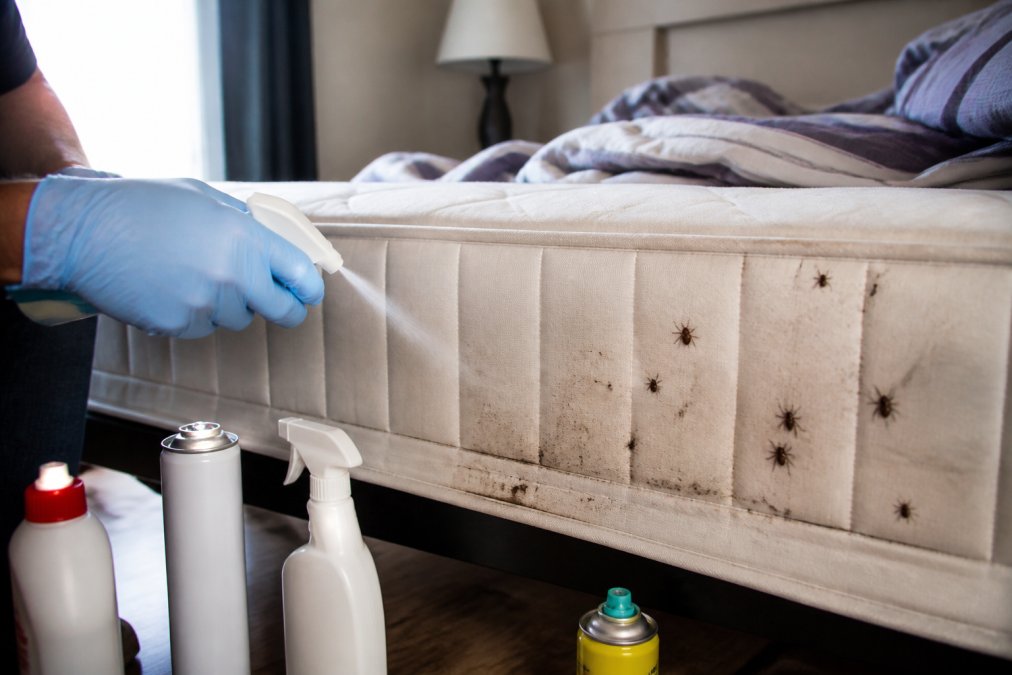
 how-to
Why DIY Bed Bug Treatments Fail: 7 Critical Reasons
Table of Contents
- Why DIY Bed Bug Treatments Fail: The Core Problem
- Incomplete Understanding of Signs of Bed Bug Infestation
- Visible Bugs Are Only Part of the Problem
- The Life Cycle and Egg Survival: Why Timing Matters
- Chemical Resistance and Pyrethroid Resistance in Bed Bug Populations
- How Long Does a Bed Bug Treatment Take to Show Results
- Why Bed Bugs Return After Professional Treatment
- The Hitchhiker Effect and Re-infestation Risk
Last Updated: August 26, 2026
Why DIY Bed Bug Treatments Fail: The Core Problem
When homeowners discover bed bugs, the instinct is to handle it themselves. Yet most DIY bed bug treatments fail. What we've learned is this: DIY approaches fail not because homeowners are careless, but because bed bug eradication requires understanding biology, logistics, and timing in ways that generic advice cannot address. A single missed egg, a hiding spot you didn't know existed, or a treatment applied at the wrong lifecycle stage can undo weeks of effort.
This guide breaks down the seven critical reasons why DIY bed bug treatments fail, and what actually needs to happen for eradication to work.
Incomplete Understanding of Signs of Bed Bug Infestation
Many homeowners don't actually know what they're looking for. You might see a few bites and assume you have bed bugs, or miss an infestation entirely because you're looking in the wrong places.
Bed bug identification requires knowing what to look for beyond just the bugs themselves. You need to spot fecal staining, dark spots on mattress seams and headboards that look like marker marks. You need to recognize shed exoskeletons, the translucent brown shells bed bugs leave behind as they grow. You need to understand that bed bugs hide in places most people never check: inside electrical outlets, behind picture frames, in furniture creases, and deep within mattress coils.
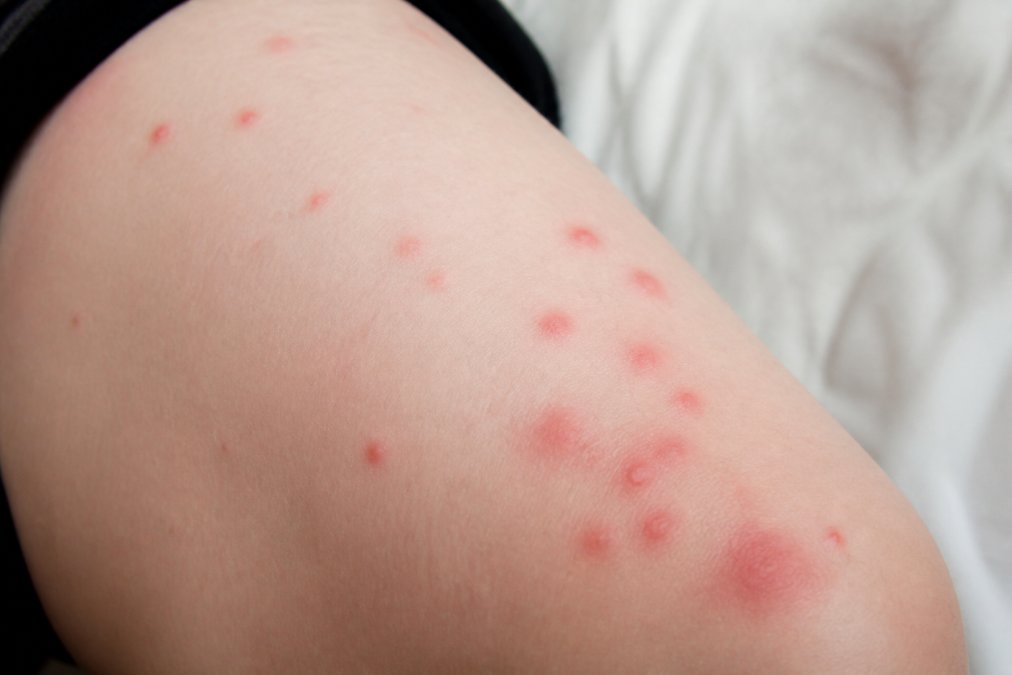
For every bug you see, there are dozens or hundreds hiding. Visual inspection alone is insufficient for treatment planning. You cannot treat what you cannot find. If you don't know where the colony is concentrated, your treatment will miss critical hiding spots, leaving survivors to rebuild the population within weeks.
Visible Bugs Are Only Part of the Problem
You kill the bugs you see and assume victory. But visible bugs represent only the mobile population actively seeking hosts. The majority of a bed bug colony is hidden in crevices, cracks, and protected spaces where they remain undisturbed between feeding cycles.
Bed bugs spend most of their time in hiding spots, emerging primarily at night to feed before retreating. If your treatment targets only visible areas, you're leaving the colony's core untouched. The bugs in those hidden spots survive, and within days they resume feeding and reproduction.
This is why contact kill alone never works. You need residual effect, a chemical barrier that remains active in hiding spots for days or weeks, killing bugs as they move through treated areas. Over-the-counter products often lack sufficient residual potency or are applied too thinly to maintain effectiveness.
Professional treatments target the entire ecosystem where bed bugs live: gaps between baseboards and walls, interior wall voids, and spaces inside furniture frames. This comprehensive approach eliminates both visible populations and the hidden colony simultaneously.
The Life Cycle and Egg Survival: Why Timing Matters
A bed bug's life cycle from egg to adult takes roughly 5-8 weeks under typical indoor conditions (the CDC). During this time, the bug passes through five nymphal stages, shedding its exoskeleton at each stage before reaching adulthood.
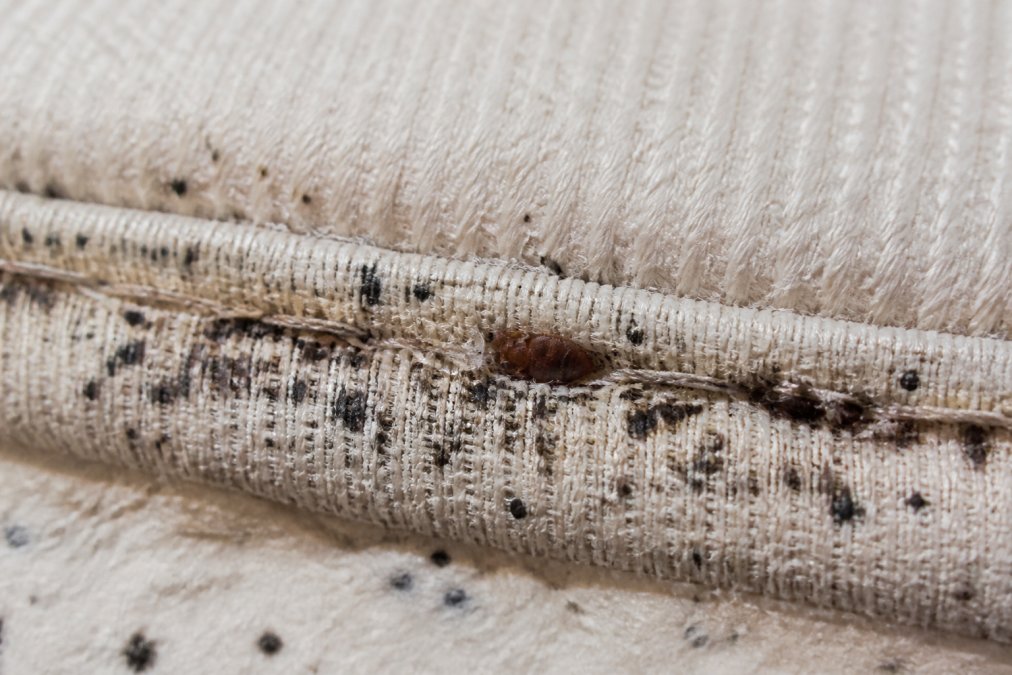
Here's the critical problem: bed bug eggs are resistant to most over-the-counter treatments. Many common pesticides kill adult bugs and nymphs but have minimal effect on eggs. This means a single treatment application will not eliminate all life stages. Eggs laid before treatment will continue developing and hatching, creating a new generation weeks after you thought the problem was solved.
Effective eradication requires multiple treatments timed to the life cycle. The first treatment kills mobile bugs. A follow-up treatment, typically 7-10 days later, targets nymphs that have hatched from surviving eggs. A third treatment may be needed to catch remaining stragglers. Most homeowners don't understand this timing requirement. They apply one treatment, see no bugs for a week, and assume success. Then bugs reappear, and they repeat the same single-treatment approach, achieving the same result.
Chemical Resistance and Pyrethroid Resistance in Bed Bug Populations
Over the past two decades, bed bug populations have developed significant resistance to pyrethroid-based pesticides, the active ingredients in most over-the-counter treatments (peer-reviewed research). In some regions, pyrethroid-resistant bed bugs are now the norm rather than the exception.
Homeowners applying over-the-counter pyrethroids often see bugs die temporarily, then reappear. They assume the treatment didn't work properly or the infestation is worse than expected. In reality, they're fighting a resistant population that the product cannot reliably kill. Repeating the same treatment simply selects for more resistant individuals.
Professional pest control services have access to alternative pesticide classes and application methods that overcome resistance. They also conduct regular monitoring and adjust strategies based on what's actually working. A DIY approach lacks this adaptive capacity.
How Long Does a Bed Bug Treatment Take to Show Results
Patience is critical in bed bug eradication, and impatience is a common reason DIY treatments fail. Many homeowners expect results within days. When bugs are still visible a week after treatment, they assume the approach isn't working and switch tactics.
Visible reduction typically takes 2-3 weeks with professional treatment, and complete eradication often requires 4-8 weeks of monitoring and follow-up treatments (the CDC). This timeline accounts for the life cycle, the need for multiple applications, and verification to confirm all bugs are gone.
DIY treatments often fail because homeowners don't maintain the necessary timeline. They apply one treatment, see bugs after a few days, panic, and try something different. Or they declare success prematurely and stop treating before the infestation is actually eliminated. Both approaches leave survivors that rebuild the population.
Why Bed Bugs Return After Professional Treatment
Even professional treatments sometimes result in reinfestation. Bed bugs return for two main reasons: either the initial treatment wasn't complete, or new bugs were introduced after treatment ended.
The "hitchhiker" effect is a significant risk factor. Bed bugs can travel in luggage, clothing, used furniture, or on visitors. A single pregnant female brought into a treated home can restart an infestation. This is why professional services emphasize prevention and monitoring after treatment, not just the treatment itself.
Professional treatments typically include a guarantee period (often 30-60 days) during which follow-up visits are included at no additional cost. This ongoing monitoring is what separates professional eradication from a one-time spray. DIY approaches lack this safeguard entirely.
The Hitchhiker Effect and Re-infestation Risk
Bed bugs are exceptional travelers. A single gravid female, one that's already been fertilized and ready to lay eggs, can establish a new colony in a new location.
Prevention requires understanding the risk vectors. Used furniture, especially mattresses and upholstered pieces, should be inspected carefully before entering your home. Luggage after travel should be unpacked directly into a washing machine. Clothing should be washed in hot water.
The challenge is that prevention requires ongoing awareness. Most people relax their vigilance after treatment ends, assuming the problem is solved. But reinfestation through hitchhiker bugs is a genuine risk that persists indefinitely. Professional pest control services educate clients about these risks and help establish prevention protocols. DIY approaches rarely address prevention at all.
Frequently Asked Questions
Why do store-bought bed bug sprays often fail to eliminate an infestation?
Over-the-counter pesticides target visible adult bed bugs but miss eggs and nymphs hidden in crevices and mattress seams. Many bed bug populations have developed pyrethroid resistance, meaning common active ingredients no longer work effectively. Application technique matters too, homeowners often miss critical hiding spots or fail to maintain the residual effect needed for complete eradication. Professional treatments use integrated pest management combining chemical application, heat treatment, and monitoring to address all life stages.
What are the signs of bed bug infestation that DIY treatments typically miss?
Homeowners focus on visible bites and live bugs but overlook the true scope of infestation. Look for dark fecal spots on mattress seams, shed exoskeletons in crevices, and musty odors from the colony. Eggs are nearly invisible and survive many DIY chemicals. Nymphs hide deeper in walls, baseboards, and furniture joints where spray application is incomplete. Professional inspectors use interceptor traps and systematic monitoring to locate all distribution points before treatment begins.
How long does a bed bug treatment take to show complete results?
DIY treatments often fail because homeowners expect results in days, not weeks. The bed bug life cycle spans 4-6 weeks from egg to adult. A single treatment rarely eliminates eggs; follow-up applications 7-14 days later target newly hatched nymphs. Professional treatment typically requires 2-3 visits over 2-3 weeks, plus ongoing monitoring for 30 days. Many failed DIY attempts abandon treatment too early, before the full life cycle is disrupted.
Can DIY methods like heat or essential oils actually kill bed bugs?
Heat treatment works in controlled professional settings where temperatures reach 49°C throughout the entire space for several hours, difficult to achieve with portable heaters. Essential oils may repel bugs temporarily but lack the residual effect and contact kill needed for eradication. Diatomaceous earth and rubbing alcohol have limited effectiveness without proper application technique and coverage. The danger of flammable DIY chemicals like kerosene or alcohol also creates fire and health hazards. Integrated pest management combines multiple methods under professional supervision for safety and effectiveness.
This article was written using GrandRanker


