 how-to
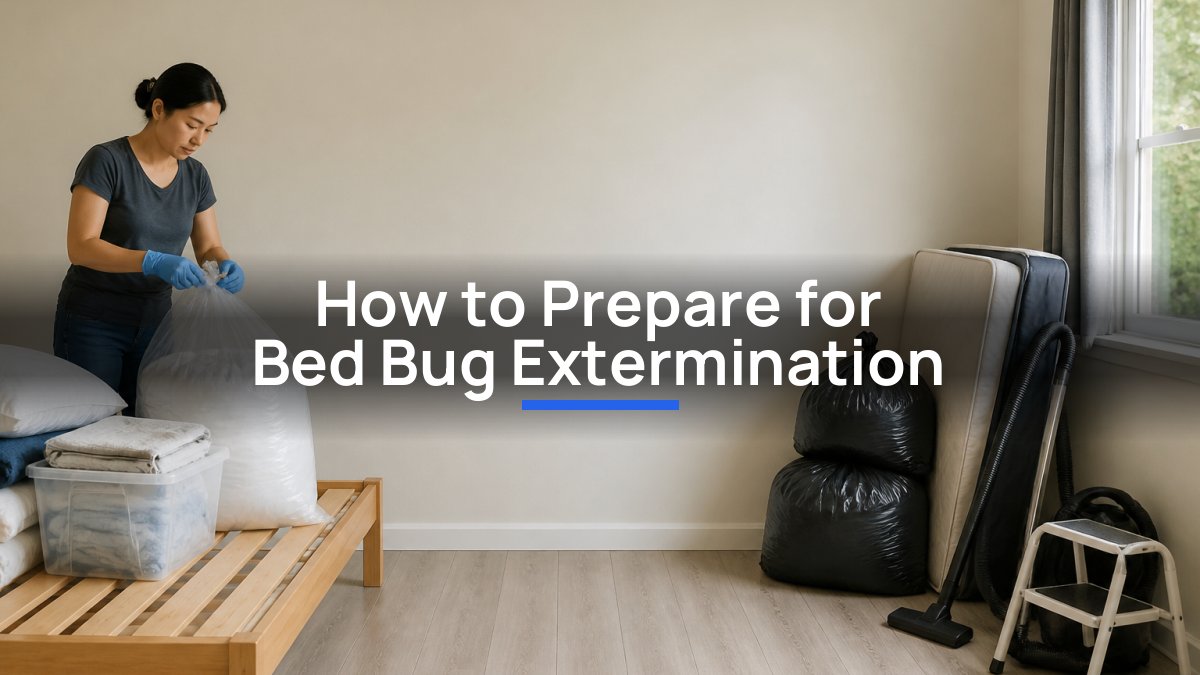
How to Prepare for Bed Bug Extermination
Table of Contents
- How to Prepare for Bed Bug Extermination: A Step-by-Step Guide
- How Long to Prepare for Bed Bug Treatment
- Clearing Access to Treatment Areas and Furniture
- Cleaning, Tidying, and Vacuuming Before Treatment
- Should I Wash Clothes Before Bed Bug Treatment
- Securing Food, Water, and Personal Essentials
- What Not to Do Before Bed Bug Treatment
- Bed Bug Treatment Preparation Checklist
- Frequently Asked Questions
Last Updated: October 7, 2026
How to Prepare for Bed Bug Extermination: A Step-by-Step Guide
Preparing your home for extermination is essential. Skipping or rushing this step leads to incomplete treatment and reinfestation. Proper preparation makes the difference between eradication and ongoing problems.
The goal: give the pest control professional full access to infested areas and remove anything that could interfere with treatment. Without it, even the best treatment falls short.
Here's what you need to know before your appointment arrives.
How Long to Prepare for Bed Bug Treatment
Most homeowners need 2 to 4 hours to prepare for extermination in a typical home; a small apartment might take 90 minutes, a larger house half a day. Some pest control professionals recommend starting the day before if possible, so you can work without rushing and ask questions.
If you're unsure about any task, contact Meridian Bed Bug Treatment or your exterminator before the appointment.
Clearing Access to Treatment Areas and Furniture
The exterminator needs to reach every surface where bed bugs hide, so move furniture away from walls and clear closets and storage areas.
Move nightstands, dressers, and other bedroom furniture away from walls. Bed bugs travel along walls and hide behind furniture.
Empty closets completely. Remove all clothes, shoes, boxes, and storage items so the exterminator can treat closet corners and baseboards.
Cleaning, Tidying, and Vacuuming Before Treatment
A clean home helps the exterminator work faster, since clutter hides bed bugs.
Wipe down surfaces with a damp cloth. Clean kitchen counters, bathroom surfaces, and bedroom shelves; dust and debris reduce treatment effectiveness.
Strip beds completely. Remove all bedding, pillows, and mattress covers, and wash them separately in hot water to expose the mattress and bed frame.
Don't clean with strong chemicals before treatment. Some cleaners interfere with pest control products; check with your exterminator about what's safe.
Should I Wash Clothes Before Bed Bug Treatment
Yes, but only items you'll wear or use in the next few days. Everything else can stay in sealed bags.
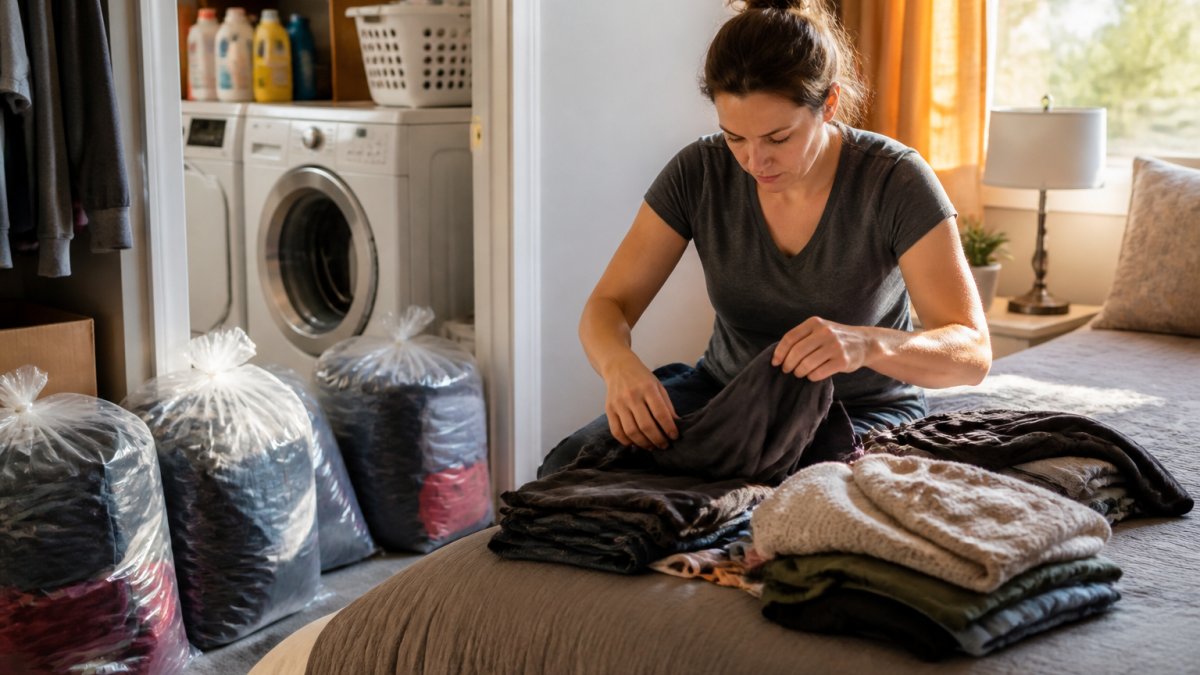
Wash clothes in hot water (at least 54°C). Hot water kills bed bugs at all life stages, including eggs.
Don't put clean clothes back in the bedroom immediately. Store them in sealed bags or a room that won't be treated.
Dry-clean delicate items separately. Take items that can't be machine-washed to a dry cleaner, and let them know about the bed bugs.
Securing Food, Water, and Personal Essentials
Bed bug treatment uses chemicals that are safe when used properly, but you still need to protect food and personal items.
Remove or cover all food and dishes. Put food items in sealed containers or bags. Cover dishes and utensils.
Don't leave pet food or water bowls out. Feed your pets before treatment and remove their bowls.
Keep important documents safe. Photos, paperwork, and other valuables should be in sealed boxes or bags away from treated areas.
What Not to Do Before Bed Bug Treatment
Most preparation guides tell you what to do. Fewer explain what to avoid, and why. The wrong move can dilute a residual product, push pests deeper into voids, or create a safety hazard for the technician. The list below is organized by why each action backfires, so you can judge your own situation instead of memorizing rules.
Actions that interfere with the treatment product
Don't apply store-bought pesticides in the days before your appointment. Over-the-counter sprays and dusts leave residues that can repel pests from the technician's bait or treated surfaces, or react unpredictably with professional products.
Don't wash walls, baseboards, or trim with heavy cleaners or bleach. Many professional treatments rely on a residual film that keeps working for days or weeks.
Don't seal cracks, gaps, or baseboard seams. Sealing before treatment traps pests inside wall voids where the product can't reach them, and hides the harborage points the technician needs to see and treat.
Actions that spread the infestation
Don't move suspect furniture, bedding, or clothing to another room. Bed bugs hitchhike.
Don't bag and store items in a different part of the home without sealing them first. If you must relocate belongings, use heavy-duty plastic bags or sealed bins. An open cardboard box is a bed bug taxi.
Don't vacuum after treatment until you're told it's safe. Vacuuming too soon removes the residual product and the dead pests the technician may want to inspect.
Actions that create a safety or access problem
Don't leave children's toys, stuffed animals, or pet items scattered in treatment areas. Fabric items harbor pests and can absorb product.
Don't lock, block, or clutter the rooms being treated. The technician needs clear access to beds, baseboards, closets, and utility areas.
Don't assume one visit ends it. Most bed bug treatments involve a follow-up, and some methods (heat, fumigation) require full vacancy while others (residual sprays, bait) allow occupancy with restrictions.
Questions to ask before the technician starts
A short conversation at the door prevents most preparation mistakes. Ask:
- What treatment method are you using, and how should I prepare differently for it?
- How long do I need to stay out of the home, and when can pets and children return?
- When can I clean, vacuum, and put bedding back on the beds?
- Will there be a follow-up visit, and what should I do between visits?
- What should I do if I still see activity after the treatment window?
Write the answers down. Preparation and aftercare instructions vary by product and method, and the technician's guidance overrides any general advice, including the guidance .
Bed Bug Treatment Preparation Checklist
Use the checklist that matches your treatment method. Preparation for a residual spray is not the same as preparation for heat or fumigation, and following the wrong list can waste the visit or create a safety issue. If you don't know your method, ask before you start.
Before any treatment: questions to confirm with your provider
- Confirm the treatment method (residual spray, bait, heat, fumigation, or a combination)
- Confirm how long the home must be vacant, if at all
- Confirm re-entry timing for people, pets, and anyone with a medical condition
- Confirm when you can vacuum, clean, and remake beds
- Confirm whether a follow-up visit is included and when it's scheduled
- Confirm what to do if you still see activity after the treatment window
Room-by-room preparation
Bedrooms
- Strip all bedding, pillowcases, and mattress covers; bag them for washing
- Pull beds at least 30 cm from walls
- Move nightstands, dressers, and other furniture away from walls
- Empty closets completely, clothes, shoes, boxes, and storage bins
- Remove everything from under the bed
- Clear surfaces on nightstands, dressers, and shelves
- Vacuum along baseboards, in closet corners, and under furniture
Kitchen
- Put food in sealed containers or the refrigerator
- Cover or store dishes, utensils, and small appliances
- Remove pet food and water bowls
- Clear countertops and wipe down surfaces with a damp cloth
- Empty and clean under the sink and inside lower cabinets
Bathroom
- Seal or remove toothbrushes, razors, and personal care items
- Store medications and supplements in sealed containers
- Clear countertops and wipe down surfaces
- Remove towels, bath mats, and fabric items from the floor
Living areas and storage
- Tidy clutter into neat piles in the center of the room if it can't be removed
- Clear floors, walls, and baseboards so the technician has a clear line of sight
- Bag or wash children's toys and stuffed animals
- Secure important documents, photos, and valuables in sealed containers
- Unlock and unblock every room the technician needs to enter
Method-specific preparation notes
| Method | Key preparation differences | Occupancy during treatment |
|---|---|---|
| Residual spray | Clear surfaces and baseboards; don't pre-clean with harsh products; leave voids open | Usually vacate during application, return after surfaces dry |
| Bait | Remove competing food sources; don't spray other products near bait stations | Usually can remain, depending on placement |
| Heat treatment | Remove heat-sensitive items (aerosols, candles, electronics, medications, vinyl, pets, plants); open closets and drawers | Home must be fully vacant during treatment |
| Fumigation | Follow the provider's sealing and vacancy instructions exactly; remove or double-bag food, medications, and plants | Home must be fully vacant for the entire period specified |
Method-specific instructions from your provider always override this table. Product labels and provincial pesticide regulations govern what can be applied and where.
After treatment: re-entry and cleanup
- Wait for the provider's stated re-entry time before returning
- Ventilate the home by opening windows if the provider advises it
- Don't vacuum treated surfaces until the provider says it's safe (often at least 7 days)
- Don't wash treated baseboards, walls, or trim with harsh cleaners
- Remake beds only after the provider confirms it's safe
- Keep bagged clothing sealed until it's washed or the provider clears it
- Watch for activity during the follow-up window and report it to the provider
- Keep the follow-up appointment; most treatments rely on a second visit to catch newly hatched pests
Frequently Asked Questions
How long does it take to prepare for bed bug treatment?
Most homeowners need 3 to 7 days to fully prepare for bed bug extermination, depending on the size of the home and extent of clutter. Simple tasks like removing dishes and securing food take a few hours, while vacuuming, washing clothes, and moving furniture away from walls may require several days. Your pest control professional will provide specific preparation timelines when you schedule your treatment appointment.
Should I wash clothes before bed bug treatment?
Yes, wash all clothes, bedding, linens, and soft furnishings in hot water (at least 60°C) and dry on high heat before treatment. This kills bed bugs and eggs hiding in fabrics. Store clean items in sealed plastic bags or bins until after treatment is complete. Do not wash items after treatment begins, as this can spread bed bugs to other areas of your home.
What should I not do before bed bug treatment?
Do not move infested furniture to other rooms or outside, this spreads bed bugs. Avoid using pesticides or foggers yourself, as they can drive bed bugs deeper into walls or to neighboring units. Do not wash floors with bleach or strong chemicals, which may interfere with treatment. Do not seal cracks or gaps before the exterminator arrives; they need access to all potential hiding spots to ensure complete pest control.
Do I need to move furniture before an exterminator arrives?
Yes, move beds, sofas, dressers, and other furniture at least 30 centimetres away from walls. This allows the exterminator to access baseboards, wall cavities, and floor areas where bed bugs hide. For beds, remove all bedding first, then move the bed frame away from the wall and headboard. Leave furniture in this position during and after treatment as instructed by your pest control professional.
Proper preparation for bed bug treatment sets you up for success. When you clear access, clean thoroughly, and follow your exterminator's instructions, you're giving them the best chance to eliminate the infestation completely. Meridian Bed Bug Treatment works with homeowners who prepare their spaces properly, and the results speak for themselves. Contact us to schedule your appointment and ask any questions about preparation; we're here to make sure your home is ready.


