 how-to
What Gets Rid of Bed Bugs Immediately: A How-To Guide
Table of Contents
- What Gets Rid of Bed Bugs Immediately: Your Options
- Heat Treatment vs Chemical Spray for Bed Bugs: Which Works Faster
- Immediate DIY Methods You Can Start Today
- How to Prepare for Bed Bug Treatment
- How Long Does a Bed Bug Treatment Take
- When to Call a Professional Exterminator
- Post-Treatment Prevention: Stopping Re-infestation
- Frequently Asked Questions
Last Updated: September 20, 2026
What Gets Rid of Bed Bugs Immediately: Your Options
What gets rid of bed bugs immediately? True "immediate" eradication is rare, but several methods provide rapid relief and dramatically reduce infestation levels within hours to days.
Heat treatment is the fastest approach, killing bed bugs at all life stages without the waiting period chemical treatments require. Other options include diatomaceous earth, isopropyl alcohol sprays, and vacuuming with steam cleaning. Complete elimination often requires a combination approach and professional follow-up.
The real question isn't just what works immediately, but what prevents re-infestation after that initial strike.
Heat Treatment vs Chemical Spray for Bed Bugs: Which Works Faster
The 'Immediate' Expectation vs. Reality
Many expect complete eradication in hours. Even heat treatment, the fastest method, kills all live bugs and eggs in one session, but "immediate" doesn't mean "permanent" without follow-up.
Heat treatment eliminates bed bugs in a single day by raising your home's temperature to 49-52°C (120-125°F) for several hours. Heat penetrates crevices, furniture, and fabric where bugs hide, with success rates exceeding 95% when properly executed.
Chemical sprays kill on contact and leave a protective residue that continues working over time. However, some bed bug populations have developed pesticide resistance, which is why many professionals now prefer heat as a first-line solution.
Why "Immediate" Doesn't Mean "Done"
After heat treatment, monitor for re-infestation for at least 30 days. A single pregnant female can restart an infestation via luggage, used furniture, or visitors' belongings. Professionals recommend post-treatment inspection traps and a 90-day guarantee period because re-infestation is a genuine risk.
Chemical treatments kill visible bugs within hours, but full effectiveness takes 7-14 days. A second application 7-10 days later targets nymphs hatching from surviving eggs, which is why chemical treatments feel slower.
Key Trade-offs:
- Heat: One day, thorough, no chemical residue; requires professional equipment and temporary relocation.
- Chemical spray: Lower upfront cost, no relocation needed; slower (7-14 days) and requires multiple visits.
The Honest Timeline:
For truly immediate relief, stopping new bites within 24 hours, heat treatment wins decisively. For complete peace of mind and zero risk of re-infestation, plan for 30-90 days of monitoring regardless of method. This expectation-setting is what separates successful eradication from frustration.
Immediate DIY Methods You Can Start Today
High-Heat Exposure
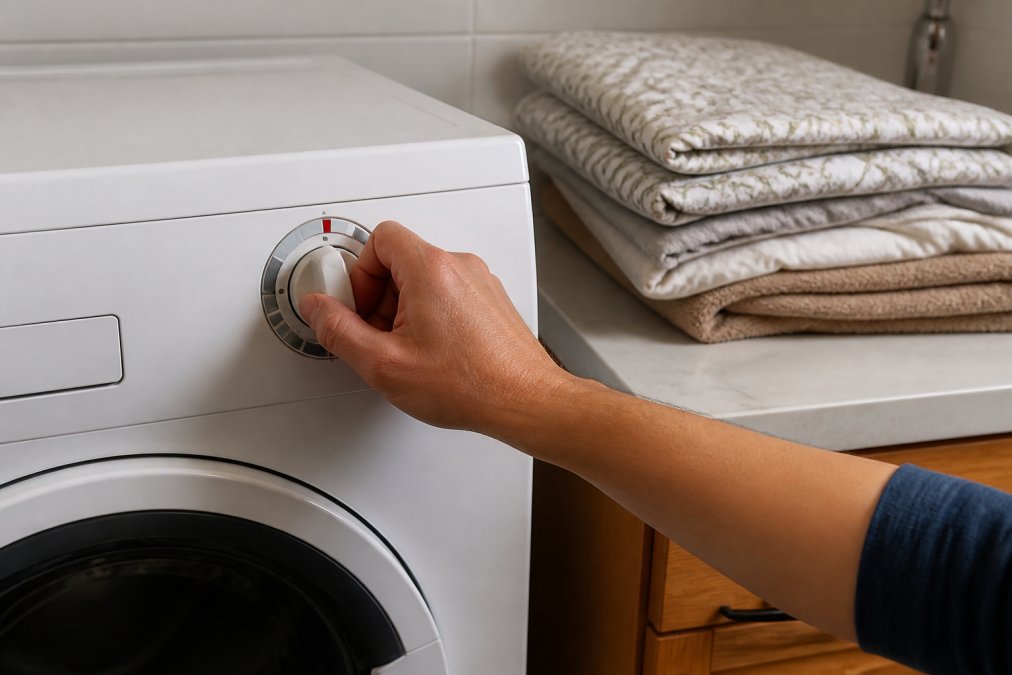
The clothes dryer is your fastest DIY weapon. Machine-wash infested clothing and bedding in hot water, then dry on the highest heat setting for at least 30 minutes. Heat above 46°C (115°F) kills bed bugs and their eggs reliably.
Steam cleaning works on mattresses, furniture, and carpets. A handheld steamer reaching 65°C (150°F) kills bed bugs on contact. Move slowly across surfaces and pay special attention to seams, piping, and crevices where bugs cluster. Repeat every few days to catch any eggs that hatch after the first treatment.
Sunlight provides free heat. Seal infested items in black plastic bags and leave them in direct sunlight for several days. Interior temperatures can reach 54°C (130°F) or higher, killing bed bugs. This method is slower than a dryer but costs nothing.
Diatomaceous Earth and Isopropyl Alcohol
Food-grade diatomaceous earth (DE) works by damaging the bed bug's protective exoskeleton, causing dehydration. Dust it lightly around bed frames, baseboards, and furniture legs. Reapply every 3-5 days. Results appear within a week, but DE works best as part of a larger strategy, not alone.
Isopropyl alcohol (70% concentration) kills bed bugs on direct contact. Spray it into crevices, mattress seams, and furniture joints. The alcohol evaporates quickly, so it doesn't provide lasting protection. Use it for spot treatments of visible bugs, not for comprehensive coverage.
Both methods are non-toxic to humans and pets, making them appealing for homes with children or allergies. Neither provides the speed or certainty of heat treatment, but they're accessible starting points while you arrange professional help.
Vacuuming and Steam Cleaning
Vacuuming removes live bugs and eggs from mattresses, furniture, and carpets. Use a stiff brush to dislodge bugs from fabric, then vacuum immediately. Seal the vacuum bag in a plastic bag and dispose of it outside; bugs can survive inside the vacuum.
Steam cleaning combines heat and moisture. Target all upholstered furniture, curtains, and carpets.
Immediate action steps:
- Vacuum all infested areas thoroughly
- Steam-clean furniture and carpets the same day
- Wash all bedding and clothing in hot water and dry on high heat
- Repeat vacuuming every 2-3 days for two weeks
How to Prepare for Bed Bug Treatment
Preparation determines treatment success. Before heat treatment or professional chemical application, reduce clutter and seal access points.
How Long Does a Bed Bug Treatment Take
A professional heat treatment takes 4-8 hours total. Your home is sealed, heated to lethal temperatures, held at that temperature for 90 minutes to 2 hours, then cooled. You can return the same evening.
Timeline expectations:
- Heat treatment: Complete eradication in one day (success rate 95%+)
- Chemical spray: 50-70% reduction in 24 hours; full results in 2 weeks
- DIY methods: 30-50% reduction in 3-7 days; ongoing management for 4+ weeks
When to Call a Professional Exterminator
Call a professional if DIY methods haven't worked after two weeks, if the infestation is widespread across multiple rooms, or if you're in a multi-unit building. Professional exterminators have access to equipment and treatments unavailable to homeowners.
Signs you need professional help:
- You've tried multiple DIY treatments without success
- Bites continue appearing despite your efforts
- The infestation spans multiple rooms or units
- You need guaranteed results for rental or hospitality properties
- You're dealing with pesticide-resistant bed bugs
Post-Treatment Prevention: Stopping Re-infestation
Eradication is only half the battle. Re-infestation happens when bed bugs hitchhike back into your home via luggage, used furniture, or visitors' belongings. Understanding how re-infestation occurs, and blocking those pathways, is what separates a one-time problem from a recurring nightmare.
How Re-infestation Actually Happens
Bed bugs don't spontaneously appear. They arrive via:
- Used furniture and mattresses, The #1 source. A single pregnant female hiding in a seam can establish a new colony within weeks.
- Travel luggage and clothing, Bed bugs cling to fabric and hide in suitcase seams. Hotels, hostels, and even public transit can be vectors.
- Visitors' belongings, Guests unknowingly carry bed bugs in backpacks, coats, or overnight bags.
- Multi-unit building migration, In apartments or condos, bed bugs crawl through shared walls, electrical conduits, and plumbing to neighboring units.
Safe Disposal of Infested Furniture
For mattresses and box springs:
- Wrap completely in heavy plastic (6-mil minimum) and seal seams with duct tape.
- Mark clearly: "BED BUGS, DO NOT USE" on all sides.
- Transport directly to a landfill or arrange bulk waste pickup. Do not leave on curb or donate.
For upholstered furniture:
- If infestation is localized, heat treatment of the item alone may be more cost-effective than disposal.
- If disposal is necessary, wrap in plastic, seal, and mark as above.
For non-fabric items (wood frames, metal bed bases):
- Retain if thoroughly treated with heat or chemical spray and inspected carefully before reuse.
Structured Re-infestation Prevention Checklist
Immediate (Days 1-7 post-treatment):
- Place interceptor traps under all bed and furniture legs.
- Install mattress and box spring encasements.
- Inspect all seams, crevices, and baseboards for signs of bugs.
- Wash all bedding and clothing in hot water and high-heat dry.
- Vacuum all floors and furniture; dispose of vacuum bag outside.
Short-term (Weeks 2-4):
- Check interceptor traps twice weekly for any bugs.
- Inspect used furniture before bringing it home.
- Isolate luggage after travel: unpack into washing machine, inspect suitcase in bathtub, seal in plastic until next use.
- Reduce clutter permanently.
- Caulk visible cracks in walls, baseboards, and around electrical outlets.
Ongoing (Months 2-3 and beyond):
- Check interceptor traps monthly for 90 days.
- Maintain mattress encasements for at least one year.
- Inspect any new used furniture or items before bringing them home.
- In multi-unit buildings, coordinate with neighbors for simultaneous inspection of adjacent units.
Special Consideration: Multi-Unit Buildings
Mattress Encasements: A Critical Tool
Monitoring and Early Detection
Frequently Asked Questions
What will 100% kill bed bugs immediately?
High heat is the most effective method to kill bed bugs immediately. Exposing infested items to temperatures above 49°C for 90 minutes kills all life stages, including eggs, nymphs, and adults. Professional thermal treatment heats entire rooms to this temperature. Chemical insecticides can also eliminate infestations quickly, but resistance to certain pesticides has become common. The most reliable immediate solution combines multiple methods: heat treatment for speed, followed by residual chemical spray and sanitation to prevent re-infestation.
Is heat treatment the fastest way to kill bed bugs?
Yes, thermal treatment is typically the fastest method to eliminate bed bugs immediately. A professional heat treatment can kill all bed bugs in a space within hours, whereas chemical treatments often require multiple applications over weeks. Heat penetrates crevices, bed frames, mattresses, and upholstery where bed bugs hide. The downside is cost and the need to vacate the property during treatment. For renters and property managers needing urgent results, heat treatment is the preferred option when budget allows.
How do I prepare for bed bug treatment to make it effective?
Before treatment, remove clutter to expose hiding spots where bed bugs congregate. Wash all bedding, clothing, and soft furnishings in hot water and dry on high heat. Vacuum thoroughly, especially around the bed frame, mattress seams, and baseboards. Seal cracks and crevices where bed bugs hide. If using chemical treatment, move furniture away from walls and leave the room accessible. For heat treatment, remove heat-sensitive items and ensure good air circulation. Follow your professional exterminator's specific preparation instructions, as requirements vary by treatment method.
What should I do if I've already tried DIY treatments and they didn't work?
Failed DIY attempts often indicate pesticide resistance or incomplete coverage of all infestation sites. Professional treatment uses integrated pest management, combining thermal and chemical methods that DIY approaches cannot match. A professional exterminator has access to stronger residual sprays, thermal equipment, and expertise in identifying hidden colonies in walls, crevices, and electrical outlets. They also provide follow-up monitoring and re-treatment guarantees. If you've spent hundreds on ineffective treatments, professional help offers a faster, more reliable path to eradication.


