 how-to
How to Find a Pest Exterminator Near You
Table of Contents
- When to Call a Pest Exterminator
- DIY vs. Professional Pest Control: Cost and Effectiveness
- Understanding Pest Control Cost Estimates
- What to Look for in a Pest Exterminator
- Pest Control Solutions for Rental Properties
- Safety Protocols During Professional Extermination
- What to Expect After Professional Treatment
- Frequently Asked Questions
Last Updated: September 19, 2026
When to Call a Pest Exterminator
Knowing when to call a professional pest exterminator is the first step toward solving an infestation problem. Many homeowners try DIY treatments first, only to discover the problem has spread or returned within weeks.
Common signs you need a pest exterminator include seeing live insects regularly, finding droppings in multiple rooms, noticing a musty odor, or discovering bites on your skin. Identifying what pest you're dealing with helps the technician arrive prepared with the right treatment approach.
Quick Pest Identification Guide
Bed Bugs: Small, flat, reddish-brown insects about the size of an apple seed. Look for them in mattress seams, bed frames, and headboards. Bites appear in clusters or lines on skin, typically on arms and legs. A musty, sweet odor in the bedroom is a telltale sign.
Rodents (Mice and Rats): Evidence includes droppings (mouse droppings are rice-sized; rat droppings are larger), gnaw marks on food packaging or wood, and scratching sounds in walls at night. Rodents leave greasy rub marks along baseboards and walls where they travel.
Cockroaches: Brown or black insects, ranging from approximately 1.3 to 5.1 centimeters long, moving quickly across floors or walls, especially at night. Look for droppings that resemble black pepper or coffee grounds in kitchen cabinets and under sinks. A strong, oily odor indicates a heavy infestation.
Ants: Small insects moving in visible trails, often to food sources. Carpenter ants are larger (0.6 to 1.3 centimeters) and nest in wood, creating hollow galleries. Pharaoh ants are tiny and often found in kitchens and bathrooms.
Termites: Pale, ant-like insects found in wood or mud tubes along foundations and walls. Damage appears as hollowed-out wood, sagging floors, or blistered paint. Termite swarmers (winged termites) emerge in spring and early summer.
Wasps and Bees: Nests appear as paper-like structures under eaves, in attics, or in ground holes. Wasps are aggressive and sting repeatedly; honeybees are generally docile. Do not attempt removal if you're allergic or uncertain of the species.
Fleas and Ticks: Tiny parasites found on pets or in carpets. Flea dirt (black specks) appears on pet bedding. Ticks are larger and embed in skin. Both cause itching and can transmit diseases.
When Professional Help Is Essential
Bed bugs, rodents, and termites are particularly difficult to eliminate without professional help because they hide in walls, mattresses, and structural cavities where store-bought treatments cannot reach. Termites cause structural damage that worsens daily, making speed critical.
A small infestation caught early costs far less to treat than one that has spread throughout your home or building. If you've tried over-the-counter solutions and the problem persists after two weeks, or if you've identified bed bugs, termites, or rodents, call a pest exterminator immediately.
DIY vs. Professional Pest Control: Cost and Effectiveness
The choice between DIY pest control and hiring a pest exterminator comes down to severity, time, and long-term results. Many people start with DIY methods because they seem cheaper upfront. However, the real cost often tells a different story.
DIY treatments typically cost $20-$100 but address only visible pests. They don't reach hidden colonies in walls, under floorboards, or inside mattress seams, which is why most DIY attempts fail.
Professional pest control services cost more initially but provide stronger treatments, professional-grade equipment, and the knowledge to identify where pests are hiding. Most offer guarantees: if pests return within a specified period, they'll retreat at no additional cost.
DIY treatments require repeated applications over weeks or months, while professional treatment often requires just one or two visits. For rental properties or businesses, downtime is costly, making professional service more economical despite higher upfront expenses.
| Approach | Initial Cost | Time Required | Success Rate | Guarantee |
|---|---|---|---|---|
| DIY treatments | $20-$100 | 4-8 weeks | Low (30-50%) | None |
| Professional exterminator | Higher upfront | 1-2 visits | High (85%+) | Often included |
Understanding Pest Control Cost Estimates
When you contact a pest exterminator for a quote, several factors drive the estimate. Understanding these helps you evaluate whether a quote is fair.
Property size is the primary cost driver. Larger properties require more time, product, and labor.
The type of infestation matters significantly. Bed bugs require different treatment protocols than rodents or termites, affecting complexity and duration.
The extent of the infestation influences cost. A localized problem in one bedroom costs less than an infestation spread throughout multiple rooms or units.
Treatment method affects pricing. Heat treatment for bed bugs requires specialized equipment and costs more than chemical treatment but often provides better long-term results.
Always ask for a detailed written estimate that breaks down labor, materials, and follow-up visits. Avoid companies that quote prices over the phone without inspecting your property first.
What to Look for in a Pest Exterminator
Choosing the right pest exterminator requires evaluating several key factors beyond just price. The technician who treats your home should be licensed, experienced, and professional.
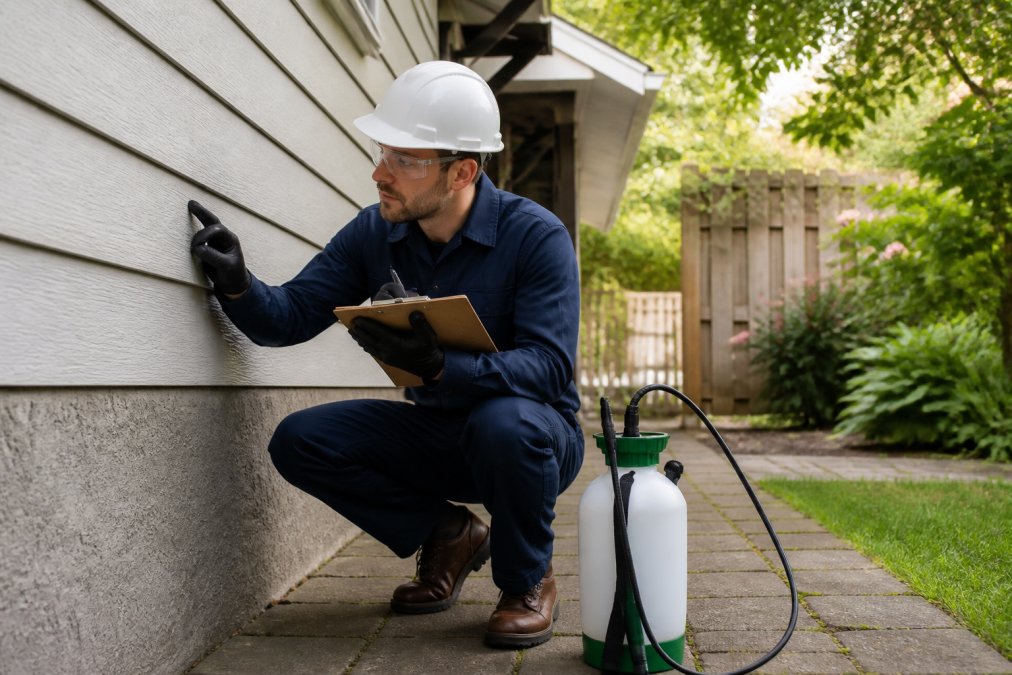
Licensing and certification are non-negotiable. Pest control technicians must be certified and licensed by their provincial regulatory body (Pesticide Education, Training and Certification). Ask for proof of current licensing before hiring anyone.
Experience with your specific pest problem matters. Ask how many years the pest exterminator has been treating your type of infestation.
Insurance and bonding protect you if something goes wrong during treatment. A reputable pest exterminator carries liability insurance and may offer a service guarantee. Read guarantee terms carefully; some cover only partial retreatment, others offer full coverage if pests return within a set period.
Customer reviews and references provide insight into reliability and effectiveness. Check online reviews and ask the company for references from recent clients.
A good pest exterminator explains what they're doing, answers your questions, and provides clear instructions for preparing your space and what to expect after treatment.
Pest Control Solutions for Rental Properties
Rental properties present unique challenges for pest control. Landlords and property managers must balance treating infestations quickly while maintaining tenant relationships and following legal obligations.
Safety Protocols During Professional Extermination
Professional pest control involves chemicals that must be handled safely. Understanding safety protocols protects you, your family, and your pets during and after treatment.
Pre-Treatment Preparation
Before treatment, a pest exterminator should provide clear written instructions on how to prepare your space, including removing or covering food items, clearing clutter and vacuuming, removing pet food and water bowls, and vacating for a specified period (usually 2-4 hours). Following these instructions ensures effective treatment and minimizes chemical exposure.
Pet and Child Safety During Treatment
Pets and children should not be present during application. Most treatments require the space to be unoccupied for several hours while chemicals settle and dry (For everyone's safety, be patient after pesticides have been applied). A reputable pest exterminator will specify exactly how long you must stay away.
Chemical Safety and Eco-Friendly Options
Ask about the specific products being used and request Safety Data Sheets (SDS) for any chemicals applied in your home. SDS documents are required by law and must be provided upon request.
Ventilation and Re-Entry After Treatment
Once the specified waiting period has passed (usually 2-4 hours), open all windows and doors to air out the space and clear chemical residue. Leave windows open for at least 30 minutes.
Post-Treatment Cleaning
After the waiting period and ventilation, light cleaning is safe. Vacuum carpets and wipe down surfaces where family members or pets spend time. Avoid harsh cleaners immediately after treatment, as they can reduce pesticide effectiveness.
What to Expect After Professional Treatment
Understanding the timeline after professional treatment helps you know whether the process is working as expected.
Frequently Asked Questions
How do I know if I have a bed bug infestation that needs professional help?
Signs of bed bug infestation include small red or brown bugs on mattresses and furniture, dark stains on sheets, and itchy welts on your skin. If you've tried DIY treatments without success or suspect an active infestation, professional extermination is the most reliable option. A licensed technician can confirm the infestation and recommend the appropriate treatment plan.
What factors affect pest control cost estimates?
Pest control cost estimates depend on the type of pest, severity of infestation, property size, treatment method required, and number of visits needed. Bed bug treatments often require multiple visits for integrated pest management. Contact a professional pest exterminator for a detailed quote tailored to your specific situation rather than relying on generic pricing.
Can I handle a bed bug problem myself, or do I need professional pest control?
Many homeowners attempt DIY treatments but find bed bugs difficult to eliminate completely. Professional exterminators have access to licensed treatments, proper application techniques, and follow-up protocols that DIY methods lack. If you've already tried multiple treatments without success, professional pest control is more cost-effective and reliable than continuing with ineffective approaches.
What should landlords know about pest control for rental properties?
Landlords should address pest infestations promptly to prevent spread to other units and maintain tenant satisfaction. Professional pest control for rental properties minimizes tenant disruption. Work with a specialized exterminator experienced in multi-unit buildings who can provide documentation for your records.


