 how-to
How to Stop Bed Bug Infestation Spread: 7 Steps
Table of Contents
- Signs of Bed Bug Infestation: Catch It Before It Spreads
- Step 1: Reduce Clutter and Declutter Hiding Spots
- Step 2: Seal Cracks, Crevices, and Baseboards
- Step 3: Vacuum Daily and Empty the Canister Outside
- Step 4: How to Wash Clothes to Kill Bed Bugs and Dry Them on High Heat
- Step 5: Bed Bug Mattress Encasement Effectiveness for Box Springs and Mattresses
- Step 6: Contain the Infestation to One Room
- Step 7: Safe Disposal of Infested Items and Post-Treatment Monitoring
- Frequently Asked Questions
Last Updated: September 15, 2026
Signs of Bed Bug Infestation: Catch It Before It Spreads
A bed bug infestation is a household emergency that escalates quietly. The earlier you confirm the signs, the easier it is to stop the spread. Here's what to look for.
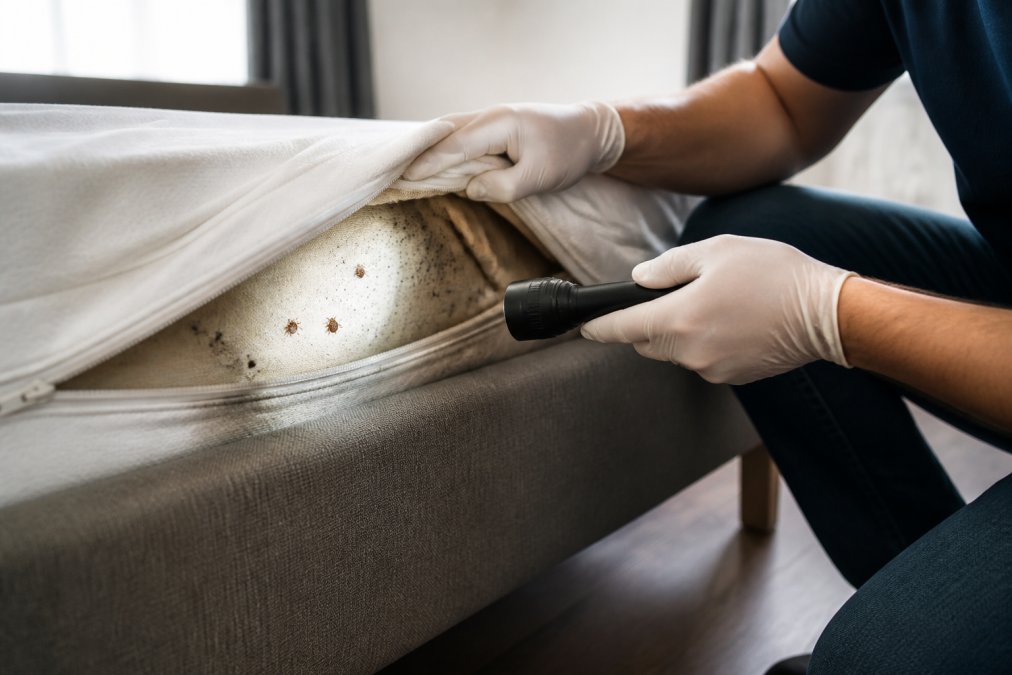
The first clue is often bites: small red welts in lines or clusters on skin exposed during sleep. You may also find dark spots on sheets, tiny shed skins, or live nymphs along seams. Finding one sign is enough to start acting, not wait for proof.
Where to Check First
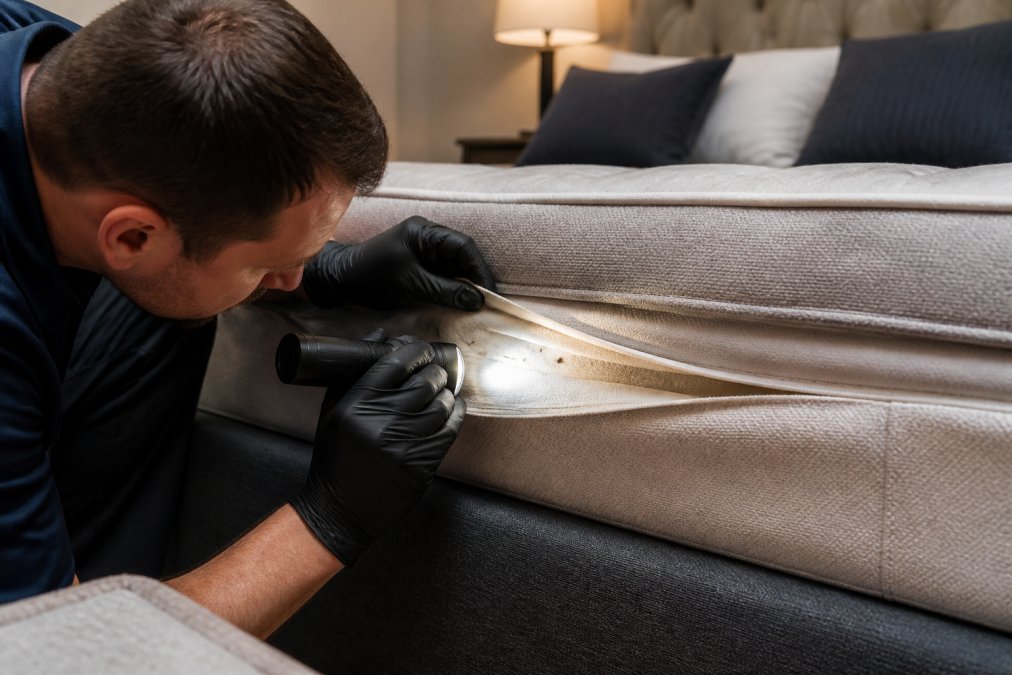
Check the seams of your mattress and box spring, the folds of your bedding, and the gaps behind your headboard. Then inspect baseboards, outlet plates, and the joints of your bed frame. These are the most common hiding spots, and catching them early is the whole point of a proactive strategy.
Step 1: Reduce Clutter and Declutter Hiding Spots
Clutter is the single biggest obstacle to stopping a bed bug infestation. Every stack of papers, pile of laundry, and box under the bed gives bed bugs another place to hide and another route to spread.
Start with the room where you found signs:
- Bag loose clothing and linens for laundering
- Remove stacks of paper, magazines, and cardboard boxes
- Store what you keep in sealed plastic bins, not cardboard
- Clear the space under the bed entirely
Cardboard is a favorite hiding material, so get it out of the room. Decluttering doesn't kill bed bugs, but it removes their cover and makes every later step more effective.
Step 2: Seal Cracks, Crevices, and Baseboards
Sealing gaps removes the narrow hiding spots bed bugs rely on. Walk the room's perimeter and seal every crack you can reach.
Use silicon caulk along baseboards, around outlet plates, and in gaps where walls meet floors. Repair peeling wallpaper and seal any opening around pipes or fixtures. This step won't eliminate an active infestation on its own, but it cuts down the places bed bugs can retreat to between feedings, which makes inspection and treatment far more effective.
Step 3: Vacuum Daily and Empty the Canister Outside
Daily vacuuming removes visible bed bugs, nymphs, and eggs from surfaces. Focus on mattress seams, baseboards, carpet edges, and furniture joints.
Use a vacuum with a bag or canister you can empty, and empty it outside immediately after each use. Seal the contents in a plastic bag and dispose of it in an outdoor bin. If you leave the canister inside, any bed bugs you collected can crawl back out. Vacuuming is a containment tool, not a cure, but it slows the spread while you work through the rest of these steps.
Step 4: How to Wash Clothes to Kill Bed Bugs and Dry Them on High Heat
Heat is the only part of laundry that reliably kills bed bugs at every life stage, including eggs. Detergent and cold water do not. To wash clothes to kill bed bugs, the target is sustained heat, not a long cycle.
Temperature and Time Targets
- Washing: Use the hottest setting the fabric care label allows. Most residential hot-water cycles run in the 50-60°C range, which kills adults and nymphs but may not reliably kill eggs on a short cycle (Bedbugs: how do I get rid of them?). A longer hot wash improves results.
- Drying: This is the workhorse step. Run a minimum 30-minute cycle on the highest heat setting the fabric tolerates. Many practitioners extend this to 40-60 minutes for thick items like comforters, mattress pads, and denim, because the interior of a bulky load takes longer to reach lethal temperature than the surface.
- The dryer alone can work. For items that cannot be washed, dry-clean-only garments, shoes, stuffed toys, backpacks, a full high-heat dryer cycle is often enough on its own, provided the item tolerates the heat.
A common pattern is that people under-dry bulky items. If the load is dense, split it into smaller batches so hot air circulates instead of just warming the outer layer.
What Heat Does and Does Not Tolerate
Check care labels before you commit. Wool, silk, some synthetics, and anything with heat-sensitive trim can shrink, warp, or melt. For those items, use the dryer-only method at a lower heat for a longer time, or seal the item in a plastic bag and set it aside until the room is treated. Do not guess, one ruined load of work clothes is a real cost on top of an already expensive problem.
The Bagging Workflow That Prevents Re-Spread
The bugs you drop on the way to the laundry are the ones that start the next infestation. Follow this sequence:
- Bag at the source. Put infested items directly into a sealed plastic bag in the affected room. Do not carry them loose through hallways or down stairs.
- Transport sealed. Keep the bag closed until it is at the machine.
- Empty directly into the drum. Do not stage items on the floor, on a counter, or in a hamper.
- Dry on high heat first if you can. Some practitioners dry before washing, since the dryer is the killing step and washing a live load can move bugs around the machine.
- Re-bag clean items. Move dried items straight into a fresh sealed bag or bin. Keep them sealed until the room has been treated and cleared.
Shared and Multi-Unit Laundry Rooms
If you use a shared laundry room in an apartment, condo, or building with common facilities, the trip itself is a spread risk. Wipe down the machine drum and the folding table before and after use, keep your bag sealed until the moment you load, and never leave a bag of infested laundry sitting in a common area. If your building has a posted policy on laundry during treatment, follow it, many property managers ask residents to coordinate laundry timing during an active infestation so clean and infested loads do not mix.
Step 5: Bed Bug Mattress Encasement Effectiveness for Box Springs and Mattresses
Step 6: Contain the Infestation to One Room
Step 7: Safe Disposal of Infested Items and Post-Treatment Monitoring
Safe Disposal: The Full Protocol
Before the item leaves the room:
What not to do:
Post-Treatment Monitoring: A Calendar That Actually Works
| Timeframe | What to Do |
|---|---|
| Days 1-3 after treatment | Vacuum seams, baseboards, and bed frame joints. Inspect the mattress encasement zipper for tears. Watch for new bites. |
| Week 1 | Full inspection of the treated room: mattress seams, box spring, headboard, baseboards, outlet plates, and furniture joints. Log anything you find with a date and location. |
| Weeks 2-4 | Repeat the full inspection weekly. Keep vacuuming. Do not remove encasements. |
| Weeks 5-8 | Inspect every two weeks. If you see no live bugs, no shed skins, and no new bites across this window, you are likely clear. |
| Months 3-12 | Monthly spot-checks of seams and baseboards. Keep encasements on for at least a year. Re-inspect immediately after any travel or after bringing used furniture into the home. |
Frequently Asked Questions
How do I stop bed bugs from spreading to other rooms?
Contain the infestation to one room by sealing cracks and crevices with silicon caulk, vacuuming daily, and using encasements on mattresses and box springs. Wash all bedding and clothing on high heat and dry on the hottest setting. Avoid moving items between rooms, and place monitors near baseboards to track activity. If bed bugs appear in multiple rooms, professional inspection and treatment are needed to stop the bed bug infestation from spreading further.
How do I wash clothes to kill bed bugs?
Wash clothing and bedding in the hottest water the fabric can handle, then dry on high heat for at least 30 minutes. Bed bugs and their eggs die when exposed to temperatures above 50°C (122°F). For items that cannot be washed, place them in a dryer on high heat for 30 minutes. Seal clean items in plastic bags until the infestation is resolved to prevent re-infestation.
Do mattress encasements really work to stop bed bugs?
Yes, mattress and box spring encasements are effective when zippered and properly fitted. They trap bed bugs already inside and prevent new ones from hiding in seams. Encasements also make monitoring easier because you can spot bugs on the smooth surface. Choose a certified encasement and leave it on for at least a year to ensure all trapped bugs and eggs are dead.
What should I do immediately if I find bed bugs in my home?
Start by reducing clutter and vacuuming thoroughly, then empty the vacuum canister outside. Wash all bedding and clothing on high heat. Seal cracks and crevices with silicon caulk. Place encasements on mattresses and box springs. If the infestation is widespread or you live in an apartment, contact a professional pest control service for inspection and treatment. Early action limits spread and reduces treatment costs.


