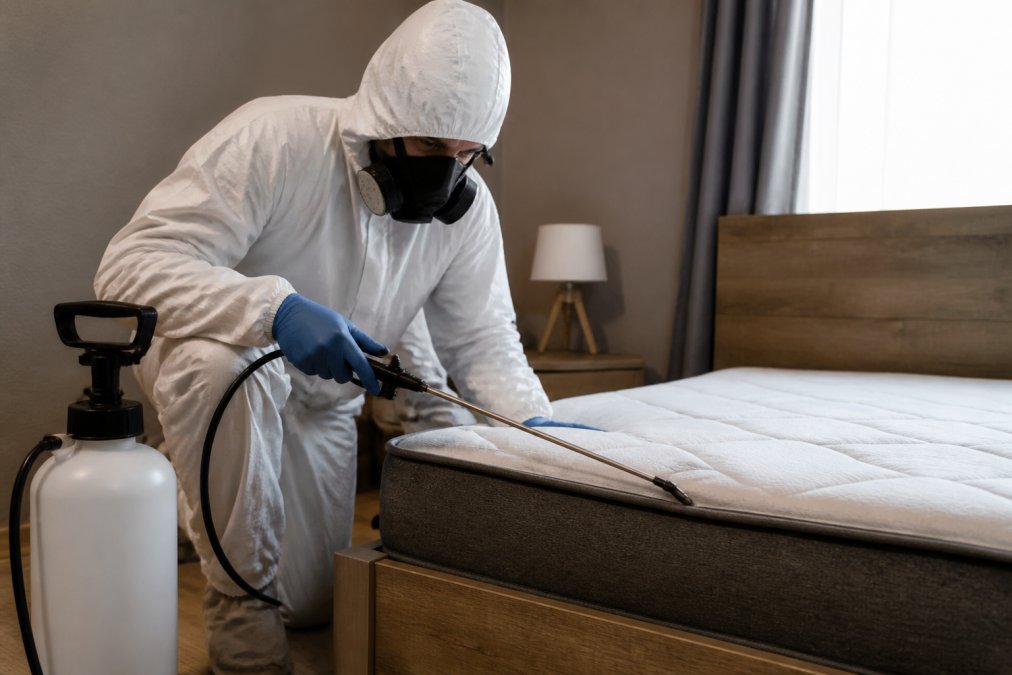
 how-to
Emergency Bed Bug Treatment: Fast Response Guide
Table of Contents
- Signs You Need Emergency Bed Bug Treatment
- Bed Bug Treatment Preparation Checklist
- Professional Treatment Methods: Heat vs. Chemical
- How Long Does Bed Bug Treatment Take
- Why Bed Bugs Return After Professional Treatment
- DIY vs. Professional Treatment: Cost and Effectiveness
- What to Do Right Now if You Suspect Bed Bugs
- Conclusion
Last Updated: August 27, 2026
Signs You Need Emergency Bed Bug Treatment
Bed bug infestations escalate quickly. What starts as a few bites can become a full-blown infestation across multiple rooms within weeks.
The most obvious indicator is waking up with unexplained bite marks. Bed bug bites typically appear as small, red, itchy welts arranged in clusters or lines on exposed skin, often on arms, legs, neck, or face (American Academy of Dermatology guide to bed bug bites). Unlike mosquito bites, they can take hours or days to fully develop, which is why many people don't realize they've been bitten until the infestation is already established.
Look for physical evidence in your sleeping space. Check mattress seams, bed frame crevices, and headboards for live bed bugs, small, flat, brownish-red insects. Dark fecal spots (tiny black dots) on sheets, mattress, or furniture are another sign. A musty, sweet odor in the bedroom comes from the bugs' scent glands.
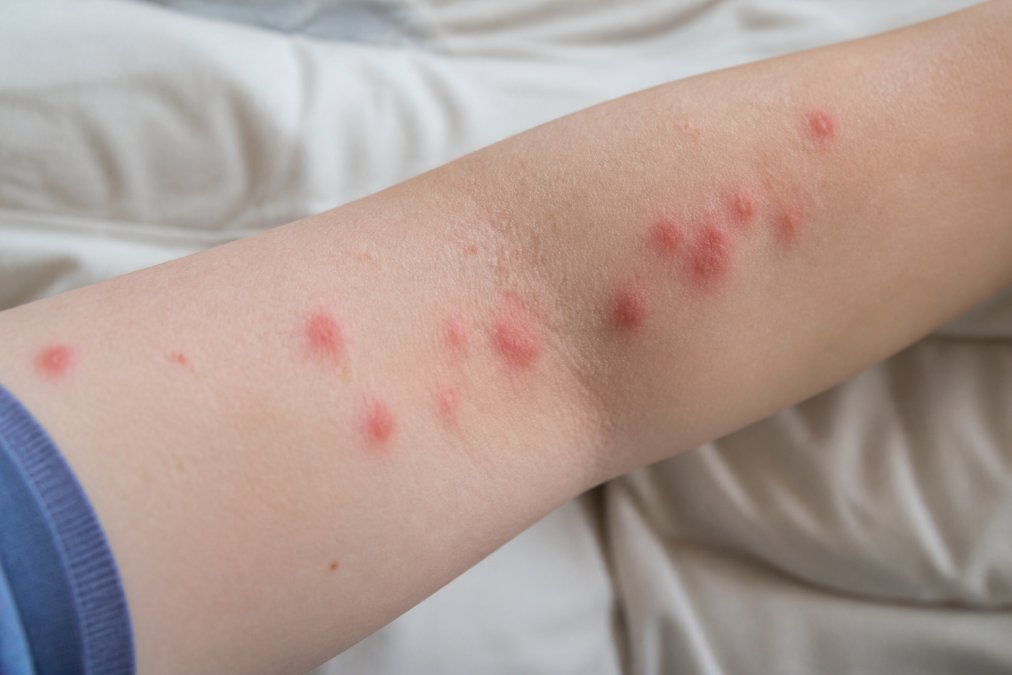
Once confirmed, emergency treatment is necessary. A single female bed bug can lay hundreds of eggs in her lifetime, and populations double rapidly (peer-reviewed research on bed bug population dynamics). Condo and apartment dwellers face additional urgency: bed bugs migrate to neighboring units through walls, electrical outlets, and shared spaces. Treating your unit quickly protects neighbors and reduces re-infestation risk.
Bed Bug Treatment Preparation Checklist
Professional treatment only works if your space is properly prepared. Most homeowners and property managers fail by skipping steps or not understanding why certain preparations matter.
Start by decluttering your bedroom and removing items from under the bed. Bed bugs hide in clutter, providing additional surfaces for infestation. Seal items you want to keep in plastic bags and label them clearly.
Wash all bedding, pillowcases, and mattress covers in hot water (at least 60°C) and dry on the highest heat setting for at least 30 minutes (Public Health Agency of Canada recommendations for bed bug control). Heat kills all life stages of bed bugs. Store clean bedding in sealed plastic bags until after treatment.
Vacuum your bedroom thoroughly, paying special attention to baseboards, corners, and under furniture. Empty the vacuum immediately into a sealed garbage bag and dispose of it outside. Vacuuming reduces the population before treatment, though it alone will never eliminate an infestation.
| Preparation Task | Why It Matters | Timeline |
|---|---|---|
| Remove clutter and items from under bed | Eliminates hiding spots and surfaces for infestation | 1-2 hours |
| Wash and dry all bedding in hot water and heat | Kills all life stages of bed bugs | 2-3 hours |
| Vacuum bedroom thoroughly | Reduces population before treatment | 1 hour |
| Seal clean bedding in plastic bags | Prevents re-contamination after treatment | 30 minutes |
| Move furniture away from walls | Allows technician access to baseboards and wall crevices | 1 hour |
| Inform technician of problem areas | Ensures focused treatment on infested zones | Before appointment |
Move your bed and other furniture at least 30 centimeters away from walls. Bed bugs hide in gaps between furniture and walls. This step is critical, skipping it significantly reduces treatment effectiveness.
If you're renting or live in a condo, notify your landlord or property manager immediately. They may need to coordinate treatment across multiple units or arrange inspections in neighboring spaces.
Professional Treatment Methods: Heat vs. Chemical
Two primary approaches dominate professional bed bug eradication: heat treatment and chemical treatment. Each has distinct advantages, limitations, and costs.
Heat treatment uses specialized equipment to raise the temperature throughout your entire space to a lethal level (typically 49-56°C). Heat penetrates walls, furniture, and hidden crevices, eliminating all life stages in a single treatment. There's no resistance to heat, making it exceptionally reliable.
The trade-off is preparation intensity. Heat treatment requires you to remove or protect heat-sensitive items: electronics, medications, certain plastics, and artwork. You must vacate for 6-8 hours.
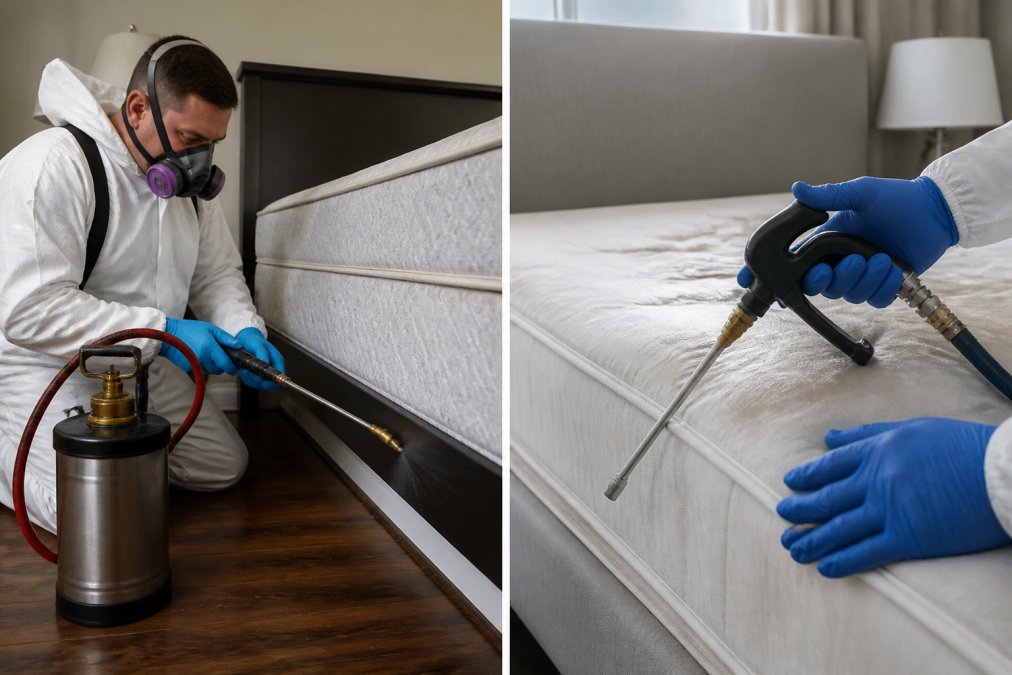
Chemical treatment uses Health Canada-approved insecticides applied as sprays or dusts to infested areas and hiding spots. The technician targets baseboards, mattress seams, furniture crevices, and wall outlets. Chemical treatments typically require 1-2 visits spaced 10-14 days apart to catch eggs that hatch after the first treatment.
Chemical treatment requires less preparation and shorter treatment duration. However, it doesn't penetrate as deeply as heat, and some bed bugs may survive in unreachable areas, necessitating follow-up visits.
Integrated pest management (IPM) combines both methods. The technician might use chemical treatment for initial knockdown, followed by heat treatment for final eradication. This hybrid approach leverages the strengths of both methods while minimizing their weaknesses.
Heat Treatment for Rapid Eradication
Heat remediation is the fastest path to complete eradication. A single heat treatment kills all bed bugs in your space with no follow-up visits required. This speed matters for short-term rental operators and hotel managers who lose revenue with every vacant day.
Technicians seal your space and deploy industrial heaters to gradually raise the temperature. Monitoring equipment tracks temperature in multiple locations to ensure every area reaches the lethal threshold. The entire process typically takes 6-8 hours, and you can re-enter within hours after cooling.
Heat treatment works on all life stages simultaneously. Bed bug eggs are notoriously resistant to chemicals, but heat doesn't discriminate. Eggs die at the same temperature as adults, eliminating re-infestation risk from surviving eggs.
The main limitation is upfront cost and preparation burden. You must remove or protect items that can't withstand high temperatures.
Chemical Treatment and Integrated Pest Management
Chemical treatment uses approved insecticides to target bed bugs in their hiding spots. This approach is less disruptive than heat treatment, and you don't need to remove heat-sensitive items.
The trade-off is multiple visits. Chemical treatments rarely eliminate all bed bugs in one application. Eggs that hatch after the first treatment need a second application 10-14 days later. Some severe infestations require three visits, extending the timeline to weeks.
Integrated pest management combines inspection, chemical treatment, and heat treatment in a customized approach. Many property managers prefer IPM for multi-unit buildings because chemical treatment can be applied to individual units without affecting neighbors, while strategic heat treatment targets heavily infested areas.
How Long Does Bed Bug Treatment Take
The timeline for bed bug treatment varies depending on your method choice and infestation severity.
Heat treatment is the fastest option. The actual treatment takes 6-8 hours from setup to completion. You can re-enter the same day once it has cooled. From the moment you call for service to final clearance: 1-3 days.
Chemical treatment takes longer overall. The initial treatment appointment lasts 2-4 hours, then you wait 10-14 days for the second treatment. Some severe infestations require a third visit. Total time from first treatment to final clearance: 3-4 weeks.
Preparation time adds another day or two. For short-term rentals and hotels, speed matters financially. Heat treatment's single-day resolution often justifies the higher upfront cost.
Why Bed Bugs Return After Professional Treatment
Bed bugs reappear after professional treatment for specific, preventable reasons.
The most common reason is incomplete treatment preparation. If you didn't wash bedding in hot water before treatment, live bed bugs could survive. If you didn't move furniture away from walls, the technician couldn't treat gaps where bed bugs hide. If you left clutter under the bed, bed bugs survived in untreated space.
Re-infestation from neighboring units is the second major cause, particularly in condos and apartments. If your neighbor has bed bugs and doesn't treat them, the bugs migrate back through shared walls, electrical outlets, and plumbing. Professional treatment of your unit alone won't prevent this.
Bringing bed bugs back into your space after treatment is another common scenario. If you visit someone else's infested home or stay in a hotel with bed bugs, you could pick up live bugs or eggs and transport them home.
Some bed bugs survive treatment because they're hiding in locations the technician didn't treat. Wall voids, electrical outlets deep inside walls, or areas blocked by furniture can harbor survivors. This is why chemical treatment often requires follow-up visits.
DIY vs. Professional Treatment: Cost and Effectiveness
The decision between DIY treatment and professional services often comes down to cost, but the true calculation is more complex. A failed DIY attempt costs money and wastes time, then you end up calling a professional anyway at higher total cost.
DIY chemical treatment involves purchasing over-the-counter insecticides and applying them yourself. This costs significantly less upfront but over-the-counter products are weaker than professional-grade insecticides. Most homeowners miss infested areas or apply insufficient quantities. DIY treatment often fails, and you then call a professional at full price. Your total cost is now higher than if you'd called a professional initially.
DIY heat treatment is theoretically possible but practically risky. Improper setup can damage your home, and if you don't monitor temperature correctly, you might not reach lethal temperatures in all areas, leaving survivors behind.
Professional treatment costs more upfront but delivers reliability. A licensed pest control operator has expertise, equipment, and accountability that DIY approaches lack. Most professional services guarantee their work, if bed bugs reappear within the warranty period, they retreat at no charge.
For renters and property managers, professional treatment is practically mandatory. You need documented proof of treatment for legal compliance and a guarantee that protects you if re-infestation occurs.
What to Do Right Now if You Suspect Bed Bugs
If you suspect bed bugs but haven't confirmed them, your immediate actions determine how quickly you can get professional treatment scheduled.
First, inspect your sleeping space thoroughly. Check mattress seams, bed frame, and headboard for live bugs or dark fecal spots. If you find evidence, you've confirmed an infestation.
Second, photograph any evidence you find. Close-up photos of bites, live bugs, or fecal spots help the pest control technician understand infestation severity and location.
Third, contact a professional pest control service immediately. Don't wait for the infestation to worsen. Meridian Bed Bug Treatment specializes in rapid response for active infestations across homes, condos, apartments, hotels, and short-term rentals. When you call, provide specific information: where you've seen bites, where you've found evidence, how long the problem has been occurring, and what attempts you've already made.
Fourth, begin preparation immediately. Start washing bedding in hot water, decluttering your bedroom, and moving furniture away from walls.
Fifth, inform your landlord or property manager if you're renting. Document your report in writing, email is ideal because it creates a timestamped record. In many jurisdictions, landlords are legally responsible for pest control in rental properties.
If you live in a multi-unit building, check with neighbors discreetly. This information helps your pest control provider understand whether the infestation is isolated or building-wide.
Bed bug infestations demand immediate action. The longer you wait, the larger the population grows and the more expensive treatment becomes. Professional emergency bed bug treatment is the fastest, most reliable path to eradication. At Meridian Bed Bug Treatment, we understand the urgency and stress of an active infestation. Our specialized approach targets homes, condos, apartments, hotels, and short-term rentals across Vancouver and the Lower Mainland with rapid response times and effective results. Contact us today for a consultation and take back control of your space.
=== FAQ ANSWERS (audit these too, same rules) ===
[1] Q: What is the fastest way to get rid of bed bugs? A: Heat treatment is the fastest method, often eliminating all life stages, eggs, nymphs, and adults, in a single application. Professional heat remediation raises interior temperatures to 49-54°C, which kills bed bugs throughout your entire space in one day. Chemical treatment requires multiple visits (typically 2-3 weeks apart) to catch newly hatched nymphs. For true emergency bed bug treatment, heat offers the quickest path to eradication.
[2] Q: How do I prepare my home for emergency bed bug treatment? A: Your pest control operator will provide a detailed bed bug treatment preparation checklist, but key steps include: washing all bedding and clothing in hot water, decluttering to reduce hiding spots, vacuuming thoroughly, and removing or sealing heat-sensitive items if heat treatment is planned. For chemical treatment, ensure pets and children are out during application. Proper preparation directly affects treatment success and reduces the chance of re-infestation.
[3] Q: Why do bed bugs come back after professional treatment? A: Bed bugs return after professional treatment for three main reasons: incomplete preparation before treatment (leaving items untreated), re-infestation from neighboring units (common in multi-unit buildings), or failure to follow post-treatment monitoring and sanitation steps. Some infestations require follow-up visits to catch newly hatched eggs missed in the first application. Your licensed applicator should explain the re-infestation prevention plan and monitor for signs of returning bed bugs.
[4] Q: Can professional exterminators provide same-day or next-day service? A: Yes, many pest control operators offer expedited response and same-day service for emergency bed bug treatment, especially for heat treatment which can often be completed in 24 hours. Chemical treatment typically requires scheduling 1-2 days ahead. Availability depends on your location and the severity of infestation. Contact a professional immediately if you suspect an active infestation, same-day or next-day appointments are common for urgent cases.
Frequently Asked Questions
Q: What is the fastest way to get rid of bed bugs?
A: Heat treatment is the fastest method, often eliminating all life stages, eggs, nymphs, and adults, in a single application. Professional heat remediation raises interior temperatures to 49-54°C, which kills bed bugs throughout your entire space in one day. Chemical treatment requires multiple visits (typically 2-3 weeks apart) to catch newly hatched nymphs. For true emergency bed bug treatment, heat offers the quickest path to eradication.
Q: How do I prepare my home for emergency bed bug treatment?
A: Your pest control operator will provide a detailed bed bug treatment preparation checklist, but key steps include: washing all bedding and clothing in hot water, decluttering to reduce hiding spots, vacuuming thoroughly, and removing or sealing heat-sensitive items if heat treatment is planned. For chemical treatment, ensure pets and children are out during application. Proper preparation directly affects treatment success and reduces the chance of re-infestation.
Q: Why do bed bugs come back after professional treatment?
A: Bed bugs return after professional treatment for three main reasons: incomplete preparation before treatment (leaving items untreated), re-infestation from neighboring units (common in multi-unit buildings), or failure to follow post-treatment monitoring and sanitation steps. Some infestations require follow-up visits to catch newly hatched eggs missed in the first application. Your licensed applicator should explain the re-infestation prevention plan and monitor for signs of returning bed bugs.
Q: Can professional exterminators provide same-day or next-day service?
A: Yes, many pest control operators offer expedited response and same-day service for emergency bed bug treatment, especially for heat treatment which can often be completed in 24 hours. Chemical treatment typically requires scheduling 1-2 days ahead. Availability depends on your location and the severity of infestation. Contact a professional immediately if you suspect an active infestation, same-day or next-day appointments are common for urgent cases.
This article was written using GrandRanker


