 how-to
Emergency Bed Bug Removal: A 2026 Guide
Table of Contents
- Signs of Bed Bug Infestation You Shouldn't Ignore
- Emergency Bed Bug Removal: What Happens Step by Step
- How to Prepare for Bed Bug Treatment
- Why DIY Bed Bug Treatments Fail
- Bed Bug Exterminator Cost: What Affects Your Quote
- Tenant and Landlord Responsibilities for Bed Bug Removal
- How Meridian Handles Emergency Bed Bug Removal
- Conclusion
Last Updated: August 21, 2026
Signs of Bed Bug Infestation You Shouldn't Ignore
Bed bug removal is most effective when caught early, but these insects are expert hiders. At Meridian Bed Bug Treatment, we've seen infestations go undetected for months because residents mistook the signs for something else.
Physical Evidence: Bites, Stains, and Shells
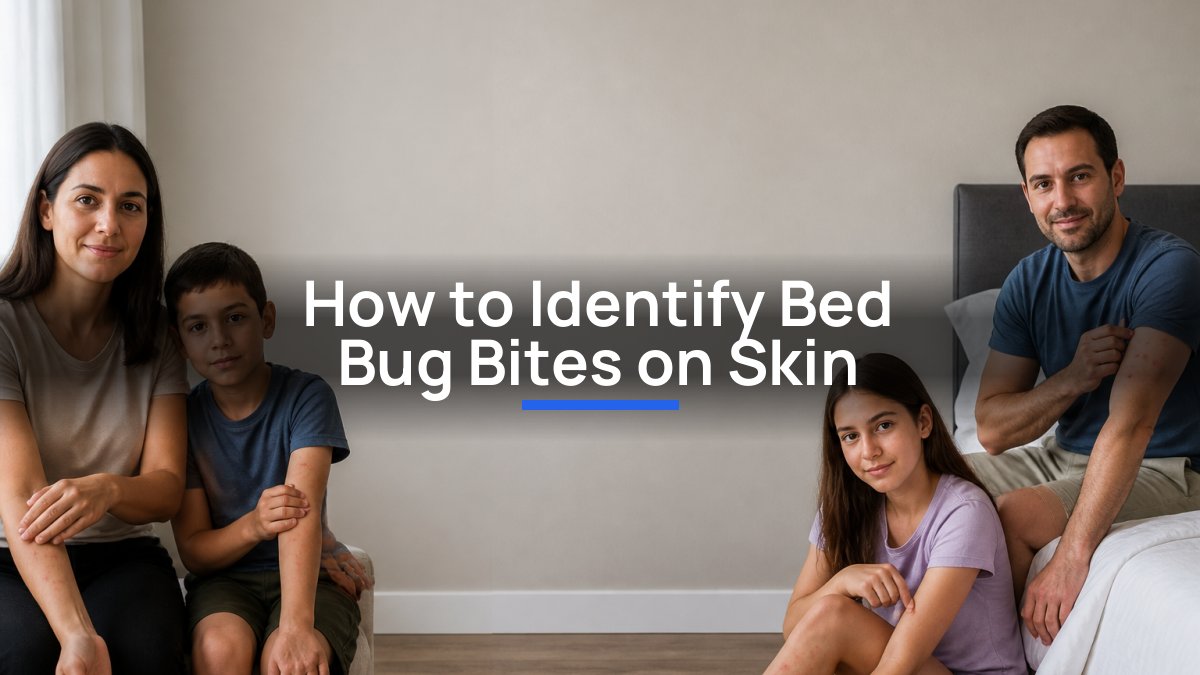
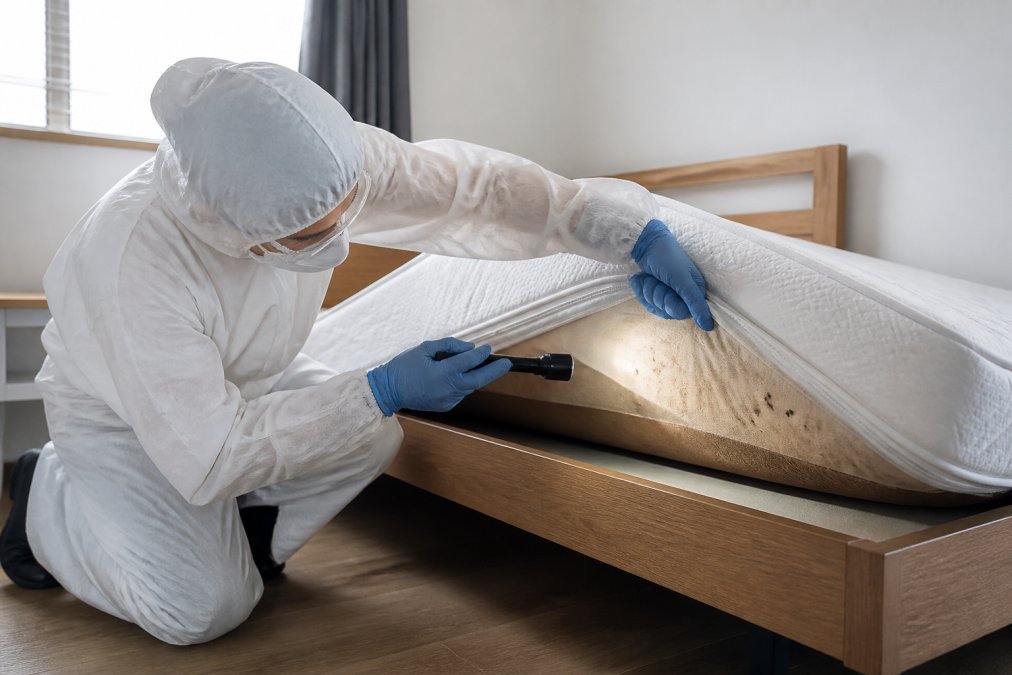
The three most reliable indicators are bites on exposed skin, dark reddish-brown stains on bedding, and shed exoskeletons. Bed bug bites typically appear in clusters or lines on the neck, arms, and legs with intense itching. The stains are small, ink-like spots, either digested blood or fecal matter on sheets, mattress seams, and pillowcases.
Shed shells, called cast skins, are translucent husks left as nymphs grow. Finding these confirms an active infestation. A single female can lay hundreds of eggs over her lifetime, meaning a small problem becomes large quickly.
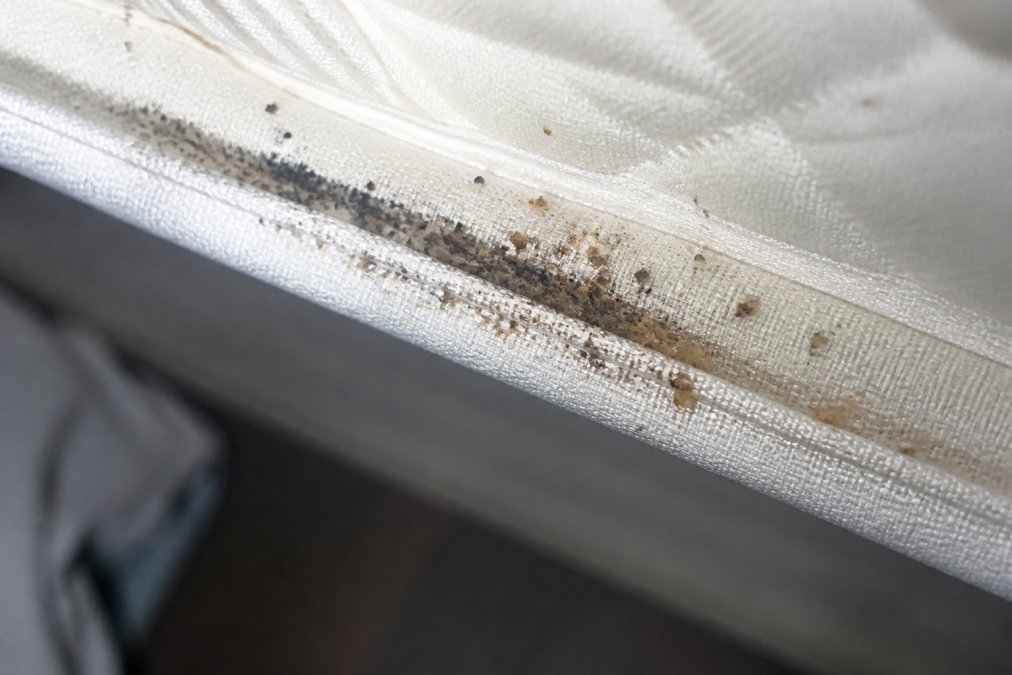
Where to Inspect: Mattresses, Baseboards, and Upholstered Furniture
Bed bugs hide in the gap between baseboard and floor, electrical outlets, picture frames, and furniture joints, not just beds. A thorough inspection covers mattress seams, box spring lining, bed frame joints, nightstands, headboards, and upholstered furniture within a few metres of the sleeping area.
According to Health Canada's guidance on bed bugs, bed bugs are commonly transported via luggage, used furniture, and shared laundry facilities. Licensed technicians use canine detection teams to identify infestations too early or diffuse for visual inspection.
Emergency Bed Bug Removal: What Happens Step by Step
Bed bug removal is a structured process, not a single treatment event. Understanding the sequence helps you set realistic expectations and avoid mistakes that lead to re-infestation.
Emergency vs. Routine Service Timelines
Emergency response compresses scheduling significantly, prioritizing same-day or next-day assessment for active, spreading infestations. For short-term rental operators and hotels, the difference between 48-hour and two-week turnaround can mean lost bookings and reputational damage. A licensed technician arrives, assesses the affected unit, and determines whether localized or whole-home treatment is warranted before confirming a plan.
Treatment Methods: Heat, Chemical Application, and Integrated Pest Management
Thermal treatment raises room temperatures to levels that kill bed bugs at every life stage, including eggs. It's particularly effective for severe infestations because it penetrates wall voids, mattress interiors, and furniture joints that chemical application cannot reliably reach.
Chemical application uses residual spray products on baseboards, furniture joints, and harborage sites. This method is often combined with thermal treatment as part of integrated pest management, providing a residual barrier that kills insects surviving the heat cycle.
Integrated pest management is the professional standard, combining multiple methods with monitoring and follow-up. According to the Pest Management Regulatory Agency under Health Canada, licensed operators must follow established protocols for pesticide application. A bonded and insured exterminator will walk you through safety requirements before any chemical application begins.
| Treatment Method | Best For | Typical Scope |
|---|---|---|
| Thermal (heat) treatment | Severe or whole-unit infestations | Whole-home or single room |
| Residual chemical spray | Targeted harborage sites | Localized treatment areas |
| Integrated pest management | Recurring or multi-unit infestations | Building-wide with monitoring |
| Canine detection + treatment | Early-stage or suspected infestations | Pre-treatment confirmation |
How to Prepare for Bed Bug Treatment
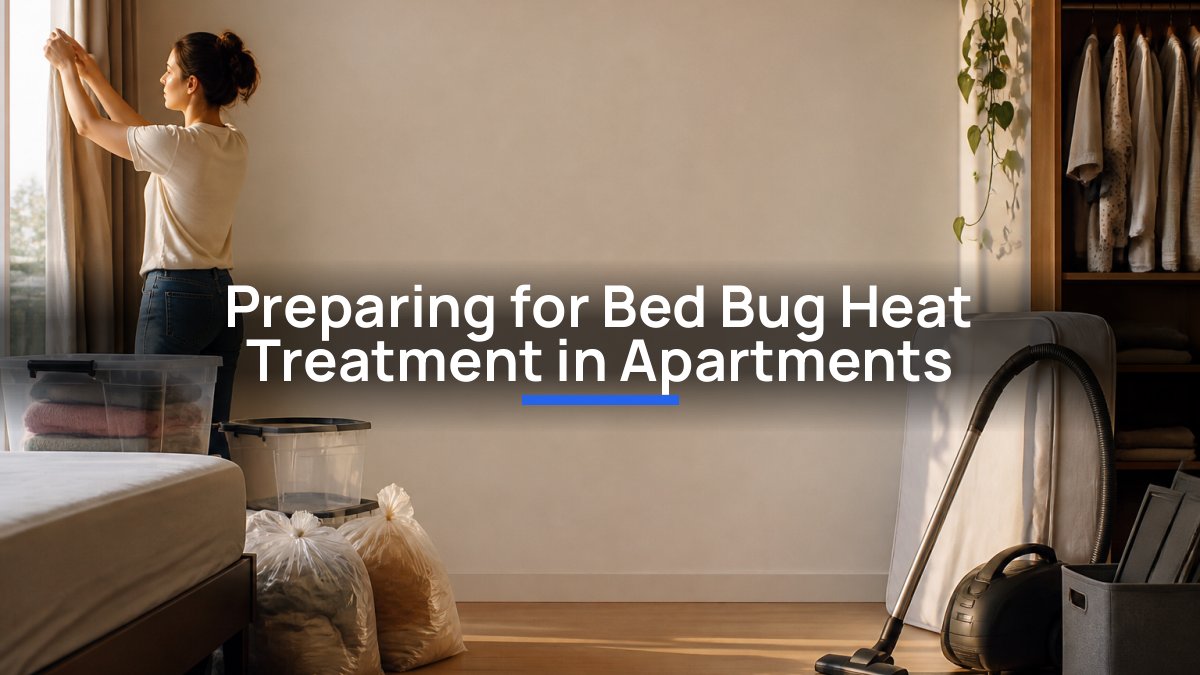
Preparation is where most DIY attempts collapse and where professional treatment succeeds or fails. Your licensed technician will provide specific instructions, but standard requirements typically include:
- Strip all bedding and launder at the highest temperature the fabric tolerates, then seal in clean plastic bags
- Remove and bag all clothing from closets and dressers in affected rooms
- Clear clutter from floors, under beds, and inside closets to allow full access
- Vacuum all carpets, upholstered furniture, and mattress surfaces, then seal and dispose of the vacuum bag outside
- Pull furniture at least 60 centimetres from walls to allow baseboard inspection and chemical application
- Arrange for pets and occupants to vacate for the period specified by your technician

Post-Treatment Maintenance Checklist
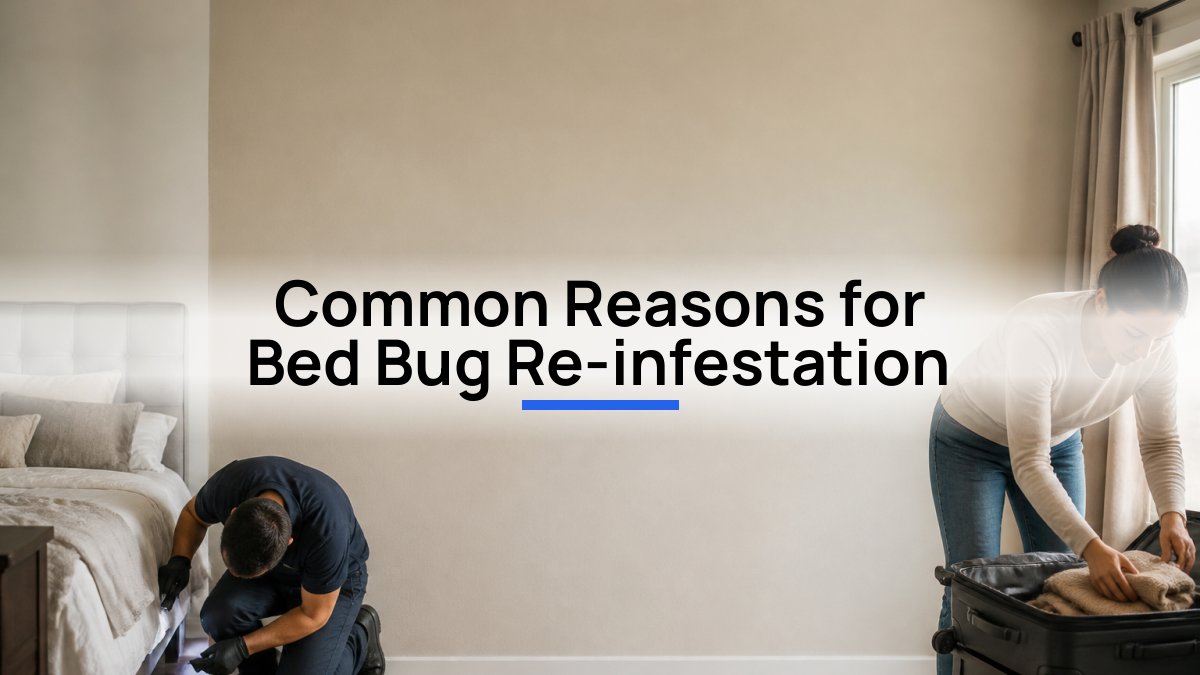
Treatment day is not the finish line. Re-infestation is a genuine risk, and monitoring matters most during the post-treatment period.
- Install mattress encasements on all beds and box springs immediately after treatment
- Place bed bug interceptor traps under each bed leg and check weekly for 90 days
- Avoid bringing second-hand furniture or used mattresses into the treated space
- Launder any items stored outside the unit before returning them
- Report any new bites or sightings to your pest control provider immediately
- Schedule a follow-up inspection at the interval recommended by your technician
- Continue clutter reduction to eliminate future harborage sites
Why DIY Bed Bug Treatments Fail
Most DIY treatments fail not from carelessness but because bed bug biology and regulatory constraints on effective pesticides make self-treatment structurally inadequate for an active infestation.
Failure Point 1: Over-the-Counter Products Cannot Reach the Infestation
Bed bugs spend most of their time in harborage sites, mattress seams, box spring linings, bed frame joints, wall voids, and furniture gaps. Consumer-grade contact sprays kill insects they touch directly but do not penetrate fabric, wood joints, or wall cavities.
Licensed pest control operators have access to residual formulations with longer active periods and application methods, including crack-and-crevice injection tools, that deliver product into harborage sites surface sprays cannot reach. These products are not available over the counter because safe application requires training in both chemistry and pest biology.
Failure Point 2: Eggs Are Chemically Resistant
Bed bug eggs have a waxy outer coating that makes them highly resistant to most contact insecticides. A treatment killing every visible adult and nymph leaves eggs intact. Those eggs hatch in six to ten days, and newly hatched nymphs must feed within days to survive.
This explains the two-to-three-week rebound pattern: the DIY treatment appears to work, then bites resume as the new generation feeds. Professional protocols account for this by timing follow-up treatments to the egg hatch window or using thermal treatment that kills eggs at every life stage by raising temperatures the waxy coating cannot protect against.
Failure Point 3: Foggers and Bug Bombs Actively Make Infestations Worse
Total-release foggers are not just ineffective; they accelerate infestation spread. Bed bugs, which are photophobic and sensitive to air movement, retreat deeper into wall voids and move through shared conduits into adjacent units.
In multi-unit buildings, a single tenant using a fogger can drive insects into neighboring units, transforming a contained problem into a building-wide infestation. Health Canada's guidance explicitly does not recommend foggers as an effective treatment method.
Failure Point 4: DIY Attempts in Multi-Unit Buildings Create Legal Exposure
In rental properties or strata buildings, unauthorized self-treatment, particularly with foggers or improperly applied pesticides, may breach tenancy agreements and create liability for spread to adjacent units.
Under the BC Residential Tenancy Act, tenants must maintain their unit and cooperate with landlord remediation efforts. Unauthorized pesticide application that worsens the infestation is not a protected activity. For tenants in multi-unit buildings, the correct response is written notification to the landlord.
What DIY Can and Cannot Do
Laundering bedding and clothing at high heat, vacuuming harborage sites, reducing clutter, and installing mattress encasements are meaningful contributions to treatment success. These are preparation and monitoring activities, they support professional treatment, not replace them.
If you have found live bed bugs, shed skins, or fecal staining, the infestation is established enough that professional extermination is appropriate. DIY products are most useful as a stopgap while waiting for a professional appointment.
Bed Bug Exterminator Cost: What Affects Your Quote
Professional bed bug extermination has a wide price range because the scope of work varies dramatically between a single bedroom with early-stage infestation and a three-bedroom house requiring whole-home heat treatment.
What Drives the Price: A Practical Breakdown
Infestation severity and spread. A localized infestation confined to one room requires far less labour, product, and equipment time than one migrating to multiple rooms or adjacent units. Technicians assess spread during inspection, so any quote issued without in-person assessment should be treated with caution.
Treatment method selected. Chemical application is generally the lower-cost entry point for contained infestations. Thermal treatment requires specialized equipment and extended technician time. Integrated pest management programs with scheduled follow-up carry higher upfront cost but typically offer better long-term value.
Property type and size. A single-bedroom condo, detached house, short-term rental, and multi-unit building each present different logistical requirements. Multi-unit buildings require coordinated scheduling, affecting both cost and timeline.
Follow-up and guarantee structure. Single-visit treatment is cheaper upfront but more expensive over time. Reputable providers include at minimum one follow-up inspection because eggs can hatch within two to three weeks. A guarantee covering re-treatment within 30 to 90 days indicates provider confidence in their protocol.
What a Legitimate Quote Looks Like
A transparent quote itemizes the inspection fee, treatment method and number of visits included, preparation requirements, and guarantee terms. Vague quotes bundling everything without specifying what is included make fair comparison impossible.
Be cautious of any provider quoting a flat rate over the phone without asking about affected area size, number of rooms, or infestation duration. Bed bug treatment is not a commodity service.
Tenant and Insurance Considerations
If you are a renter, the cost question intersects with your rights under the BC Residential Tenancy Act. Landlords bear primary responsibility for remediation costs in most circumstances, and tenants should not pay out of pocket before confirming landlord obligations in writing.
For homeowners, standard home insurance policies do not typically cover pest control as maintenance. However, if an infestation links to a covered event creating an entry point, review your policy wording or speak with your broker.
Tenant and Landlord Responsibilities for Bed Bug Removal
Under British Columbia's Residential Tenancy Act, landlords must maintain rental properties in a state of health and safety. Bed bug infestations are considered a health concern, and landlords have a legal obligation to address them. As documented in the BC Residential Tenancy Act guidelines, failure to address a known infestation can breach the landlord's obligations.
Tenants must report infestations promptly and cooperate with treatment preparation instructions. A tenant refusing to prepare their unit or declining to vacate during treatment can impede remediation and may bear liability for spread.
For property managers handling multi-unit buildings, when one unit is confirmed, adjacent units should be inspected. Bed bugs move through shared walls, electrical conduits, and plumbing chases. Treating a single unit while ignoring neighbors is a short-term fix that almost always leads to re-infestation.
How Meridian Handles Emergency Bed Bug Removal
The biggest practical difference between Meridian Bed Bug Treatment and a generalist pest control company is specialization. Bed bugs are not a side service here. Every treatment protocol, preparation instruction, and follow-up schedule is built specifically around bed bug biology and behavior.
For emergency bed bug removal, the process begins with rapid response assessment. Technicians identify infestation scope, determine whether localized or whole-home heat treatment is appropriate, and provide a clear treatment plan before work begins. For short-term rental hosts and property managers who cannot afford extended vacancy, the emergency timeline minimizes disruption while ensuring full resolution.
Meridian Bed Bug Treatment serves homes, condos, apartments, hotels, and short-term rentals across Vancouver and the Lower Mainland. For property managers with multi-unit concerns, the approach includes guidance on adjacent unit inspection and sanitization protocols to prevent re-infestation spread.
Public health guidelines from the BC Centre for Disease Control recommend professional pest management for confirmed bed bug infestations, particularly in multi-unit residential buildings where spread risk is highest. Bed bug removal done correctly the first time is always less expensive than treating re-infestation.
Frequently Asked Questions
Q: How much does professional bed bug removal cost?
A: Bed bug exterminator cost depends on several factors: the size of the affected area, the treatment method used (thermal treatment, chemical application, or a combination), and whether multiple units need to be treated. A single-room localized treatment costs less than a whole-home heat treatment. Because every infestation is different, most licensed technicians provide a site assessment before quoting. Contact Meridian Bed Bug Treatment directly for an accurate quote based on your specific situation.
Q: Are there same-day emergency bed bug removal services available?
A: Yes. Emergency same-day service is available for active infestations where waiting is not an option, particularly for short-term rental operators, hotels, and tenants dealing with severe bites. Same-day response typically involves an initial inspection and either a localized treatment or scheduling of a full thermal or chemical treatment within 24-48 hours. Contact Meridian Bed Bug Treatment to confirm current availability for urgent bookings.
Q: How do I prepare my home for professional bed bug treatment?
A: Preparation is critical for treatment to work. Before a licensed technician arrives, launder all bedding, clothing, and soft items on high heat and seal them in bags. Clear clutter from floors and furniture to allow full access. Pull furniture away from walls and vacuum mattresses, baseboards, and upholstered furniture. Your exterminator will provide specific preparation instructions based on the treatment method. Skipping these steps reduces the treatment's reach and increases the risk of re-infestation.
Q: Can I get rid of bed bugs without a professional exterminator?
A: DIY methods, store-bought sprays, diatomaceous earth, or steam cleaners, rarely eliminate a full infestation. Bed bug eggs and nymphs hide deep in mattress seams, wall voids, and baseboards where consumer products cannot reach. Without treating the entire life cycle, surviving eggs will hatch and restart the infestation within weeks. If you have already tried multiple DIY treatments without success, professional extermination with residual spray or whole-home heat treatment is the only reliable path to full eradication.
Active infestations don't resolve on their own, and delayed treatment consistently results in wider spread and higher remediation costs. Meridian Bed Bug Treatment provides specialized bed bug extermination for residential and commercial properties across Vancouver and the Lower Mainland, with emergency response for situations that can't wait for a standard scheduling window. Contact Meridian Bed Bug Treatment to arrange an assessment and get a transparent quote based on your actual situation.
This article was written using GrandRanker